Daniel Adongo, 37, was deported to Kenya on June 20 after an immigration judge issued a final removal order in March. ICE says he overstayed his visa after his NFL career ended and cited a record of arrests, including a 2020 criminal mischief conviction. Supporters counter that Adongo — twice ruled incompetent to stand trial and hospitalized for acute psychosis — needed medical treatment, and they highlight concerns about possible head trauma rather than deportation. The case spotlights the tension between immigration enforcement and care for vulnerable people with serious mental-health issues.
Former Colts Linebacker Daniel Adongo Deported to Kenya After Visa Overstay; Mental-Health Concerns Spark Debate
Andrew Thomas - CNP / MEGAAndrew Thomas - CNP / MEGA
Former Indianapolis Colts linebacker Daniel Adongo was deported to Kenya on June 20 after U.S. immigration authorities said he had overstayed his visa following the end of his NFL career. The removal followed a final order of removal issued by an immigration judge in March, closing a multi-year immigration proceeding.
Immigration and Criminal Record
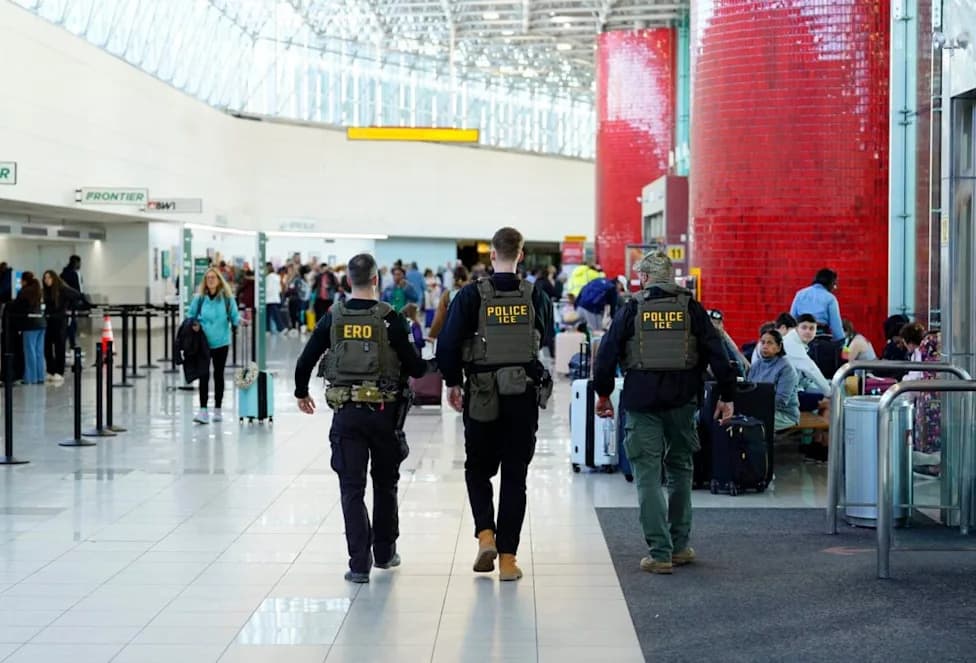
U.S. Immigration and Customs Enforcement (ICE) said the 37-year-old entered the United States lawfully but remained after his visa expired. The agency noted a record of arrests over roughly nine years and pointed to a 2020 criminal mischief conviction that resulted in a jail sentence. ICE framed the deportation as a public-safety action, saying criminal history and immigration violations made him removable regardless of his former professional status.
Graeme Sloan – Pool via CNP / MEGA
"This dangerous individual was clearly a threat to the community, which is now safer since he's been removed," said ICE Chicago Assistant Field Office Director Douglas Thompson, adding that immigration laws apply equally "including former professional athletes."
Mental Health and Supporters' Concerns
Supporters, mental-health advocates and Adongo's former attorney have strongly disputed the decision, saying his legal troubles cannot be separated from long-standing and severe psychiatric issues. Court records show Indiana judges twice found Adongo incompetent to stand trial after psychiatric evaluations, and he was later admitted to a state psychiatric hospital after being diagnosed as acutely psychotic.
Advocates have also raised concerns that repeated head trauma from years of rugby and professional football may have contributed to his condition, pointing to the possibility of chronic traumatic encephalopathy (CTE) or another traumatic brain injury. No definitive diagnosis of CTE has been made, and supporters argue Adongo needed sustained medical care rather than removal.
ZUMAPRESS.com / MEGA
Enforcement Philosophy and Public Debate
ICE officials have presented Adongo's deportation as consistent with the agency's broader enforcement posture: prioritizing the removal of removable noncitizens with criminal records as a means to protect communities. This stance was echoed in earlier statements by then-Acting ICE Director Todd Lyons, who defended an aggressive removal strategy amid political scrutiny.
Critics say that framing deportations strictly as public-safety actions risks overlooking the medical needs of vulnerable individuals and the complexities of cases involving severe psychiatric diagnoses. The case highlights tension between immigration enforcement priorities and advocates' calls for compassionate treatment and appropriate medical care.
ZUMAPRESS.com / MEGA
From Kenyan Rugby Prospect to NFL Pioneer
Long before his legal and mental-health struggles, Adongo was celebrated as a trailblazer in Kenyan sport. He left Nairobi to pursue professional rugby in South Africa, rose through the ranks with the Sharks, and later played in New Zealand and for the Southern Kings — becoming the first Kenyan to compete in Super Rugby. His rugby performances led the Indianapolis Colts to sign him despite his limited American-football background. Adongo transitioned to linebacker, appeared in NFL regular-season games for the Colts (2013–2015), and became the first Kenyan to play in the NFL.
Injuries and other setbacks limited his American-football career after 2015. Supporters and critics alike say Adongo's life story — from sporting pioneer to a man facing criminal and medical challenges — raises important questions about how immigration enforcement intersects with mental-health care.
Help us improve.