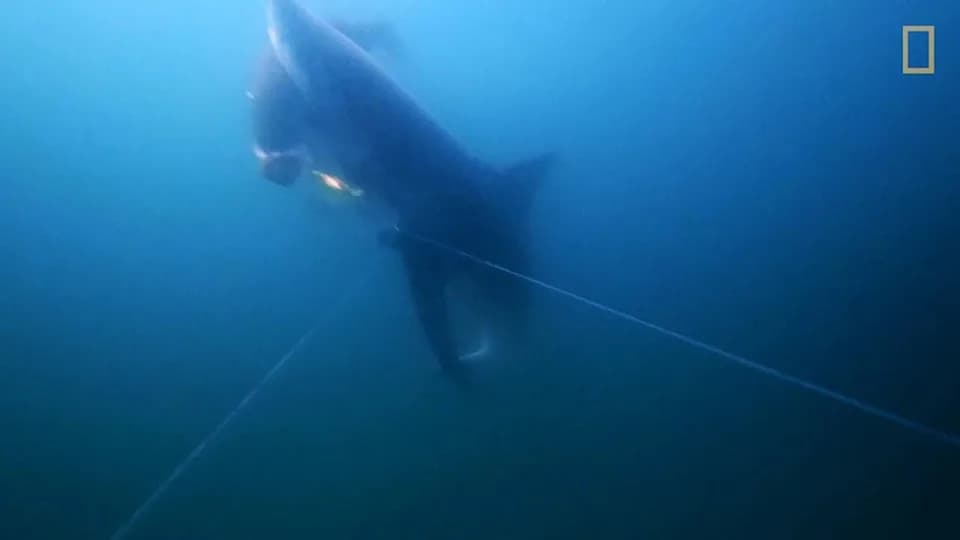
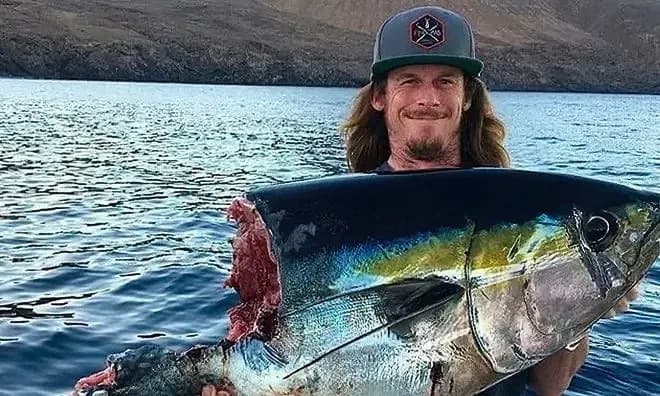
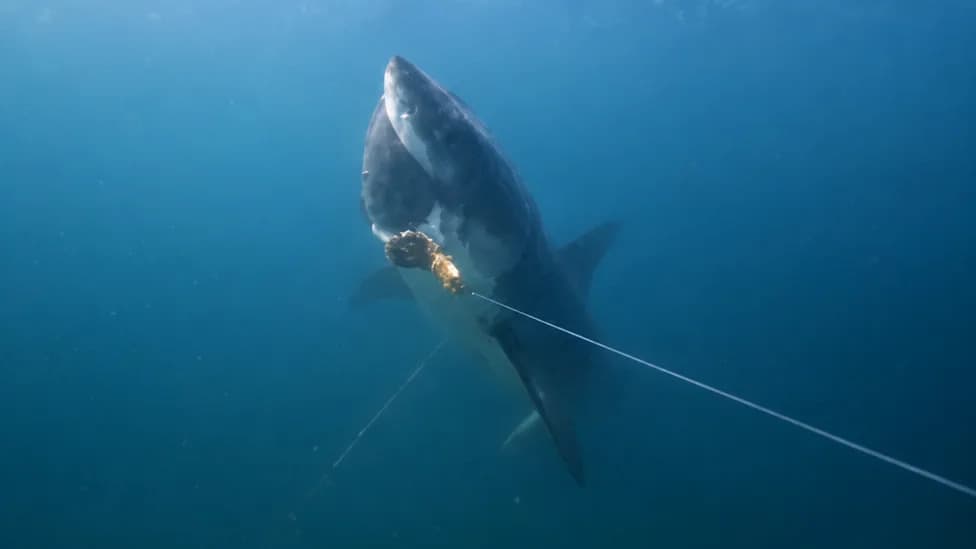
Shark depredation — when sharks eat or damage fish already hooked by anglers — is a persistent and widely reported problem that causes frustration and economic loss. A 2022 survey found 77% of anglers experienced depredation, with nearly 80% of incidents involving sharks that never surface. DNA and fishery data point to bull and sandbar sharks, especially around the Southeast U.S. and Florida Keys. NOAA has launched a national plan — including a sandbar stock assessment, acoustic tagging, listening stations, and deterrent tests — to find data-driven solutions.
Why Sharks Keep Stealing Anglers’ Catches — And How NOAA Is Responding
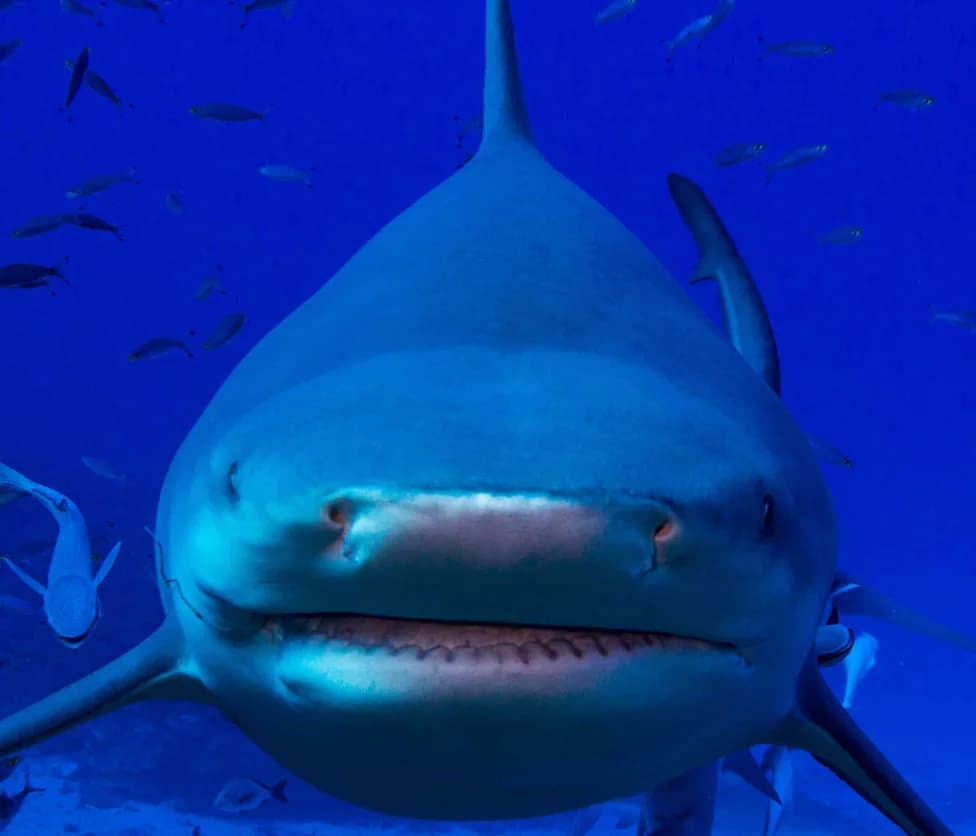
Bull Shark Attacking© Michael Gomes/Shutterstock.com
For many anglers, the thrill of a strike and the tug at the end of a line is the highlight of a fishing trip. That excitement can quickly turn to frustration when a hooked fish is hauled close to the boat only to be revealed as a head or a chewed-up carcass — the telltale sign that a shark intercepted the catch before it reached the angler.
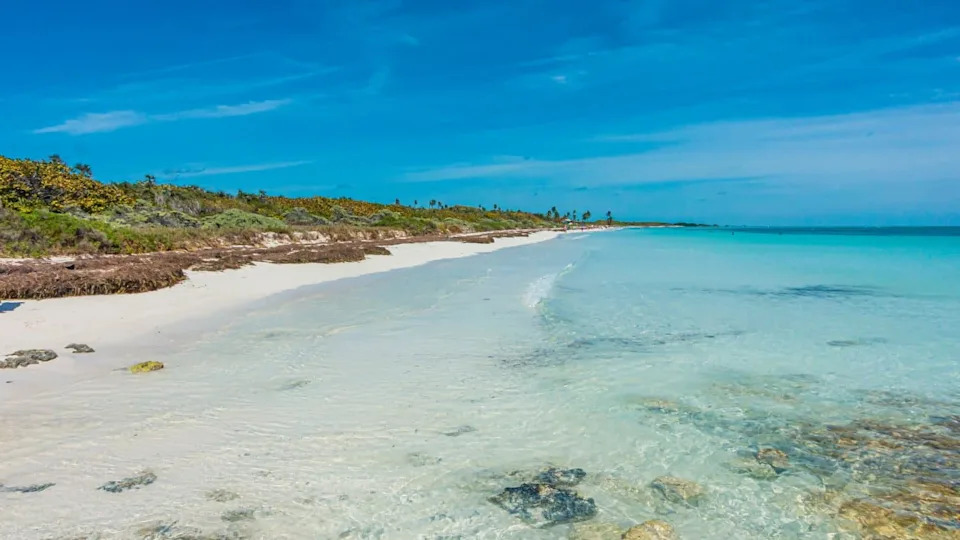
The Florida Keys are one region where shark depredation is common.©Stephan Langhans/Shutterstock.com
What Is Depredation?
Depredation is the fisheries term for when a shark eats or damages a fish that has already been hooked and is being reeled in. Beyond the immediate disappointment, depredation can cause economic losses from ruined gear and lost tournament or commercial catches. A 2022 national survey found that 77% of anglers reported experiencing depredation, and in nearly 80% of those incidents the shark never broke the surface — the only clue often being a change in line pressure or an altered feel at the rod tip.
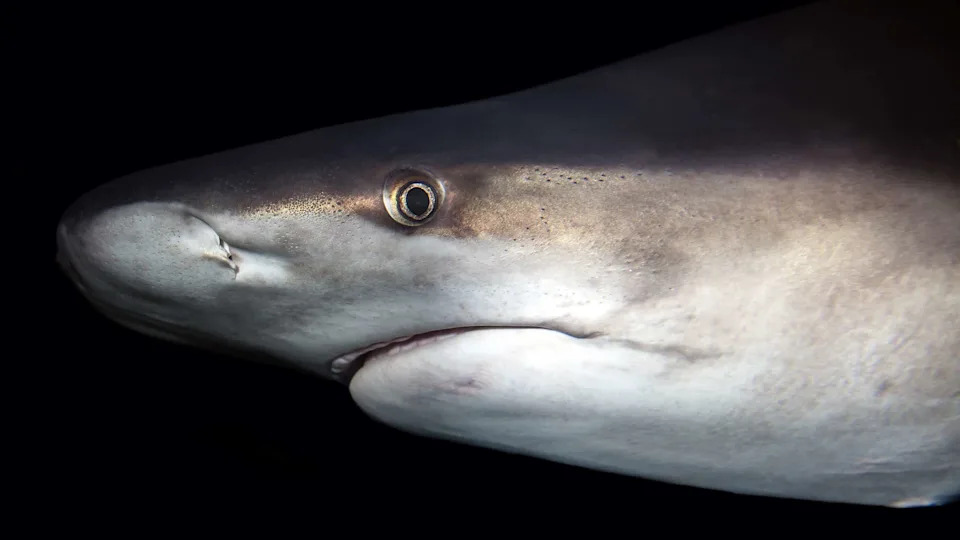
Sandbar sharks are one species often involved in depredation attacks.©iStock.com/Schnapps2012
Where It’s Happening
Reports and studies point to hotspots in the Southeast U.S., including the Florida Keys, where depredation rates remain high year-round. Angler surveys also document incidents across all five Gulf Coast states (Texas, Louisiana, Mississippi, Alabama, and Florida). Some charter captains say depredation occurs on roughly every other trip when targeting bottom species like amberjack, prompting changes to their fishing practices.
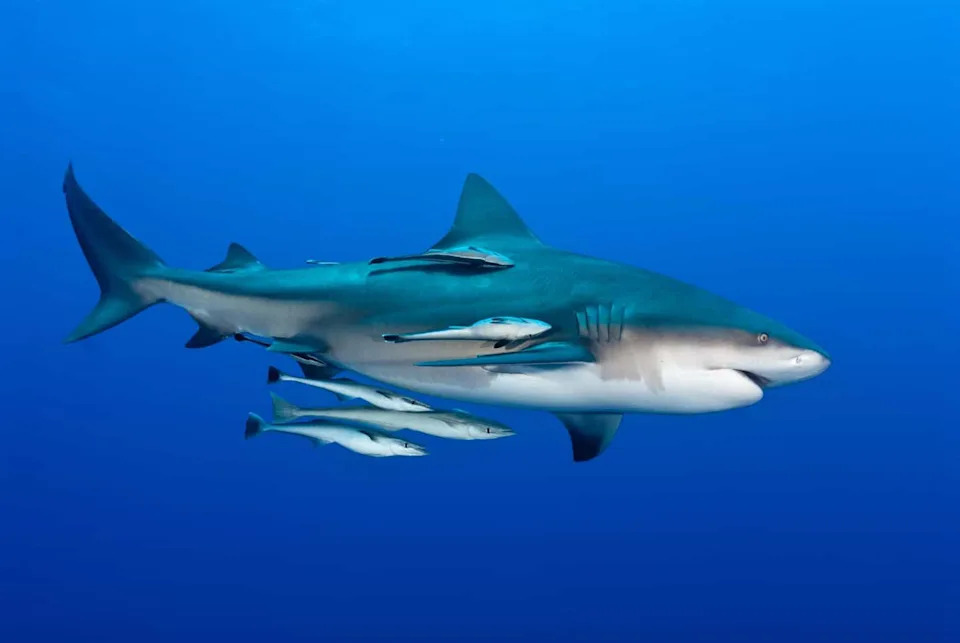
Bull sharks are most often involved in depredation attacks.©Fiona Ayerst/Shutterstock.com
Which Sharks Are Most Often Involved?
DNA swabs from partially eaten carcasses and fishery data implicate bull sharks as the most frequent culprits, with sandbar sharks also commonly involved — particularly with Atlantic snapper and grouper. Bull sharks tolerate both salt and fresh water and often stay nearshore, while sandbar sharks inhabit relatively shallow coastal areas, putting both species in close proximity to many anglers.
Why Might Depredation Be Increasing?
- Population Changes: Some shark populations have rebounded thanks to long-term management, but data are mixed by species. Sandbar shark abundance remains uncertain; a new stock assessment began in May 2026, with results expected in early 2027.
- Behavioral Learning: Emerging evidence suggests individual sharks can learn to associate boats, engine noise, or the sound of reeling with easy meals, especially when anglers discard undersized fish or offal.
- Fishing Trends: Growing fishing participation and increased catch-and-release practices may provide more incentives for sharks to follow boats.
- Perception vs. Reality: Conservationists caution that anglers’ perceptions of increased depredation may not track perfectly with scientific population data, so rigorous monitoring is needed.
NOAA’s Response And Ongoing Research
The National Oceanic and Atmospheric Administration (NOAA) has launched a national effort to investigate depredation and develop data-driven responses. Key elements of the plan include:
- Completing the sandbar shark stock assessment (began May 2026; early 2027 results expected).
- Collaborating with commercial long-line fishermen to deploy listening stations and tag sharks with acoustic transmitters to track movements and interactions for at least a year.
- Testing potential deterrents such as electromagnetic devices and specific metals to see if they reduce shark approaches to gear and catches, while assessing practicality and cost-effectiveness.
- Working with state agencies, universities, and private researchers to combine datasets and increase transparency as findings emerge.
- Considering management adjustments, including potential changes to catch limits in Atlantic and Gulf waters, to align regulations with new scientific data.
What This Means For Anglers
Depredation remains a source of tension between anglers and conservation efforts, but NOAA’s approach seeks to replace anecdote with evidence. Acoustic tagging, listening stations, deterrent trials, and stock assessments should help clarify whether depredation is increasing, which species are involved, and what practical tools or policy changes could reduce losses for anglers while maintaining healthy shark populations.
Bottom line: Shark depredation is a widespread, longstanding issue. NOAA’s coordinated research effort aims to identify causes and test solutions so anglers and managers can make informed decisions based on science rather than speculation.
Help us improve.