The Mining Remediation Authority has confirmed that ground movement in Coalsnaughton is linked to historical coal-mining, prompting the evacuation of 256 people from 97 homes. An eight-week investigation found ongoing movement and damage to roads, gardens and some properties. The UK government — citing the Coal Mining Subsidence Act 1991 — will meet costs to make homes safe; some houses may be remediated while others could be bought out and demolished. Officials say individual property assessments will determine next steps and that monitoring will continue to prioritise safety.
Coalsnaughton Evacuations: Some Homes May Be Condemned After Mining-Related Ground Movement

Aaron Anderson and his family are now living in Dunfermline after being evacuated in May [BBC]
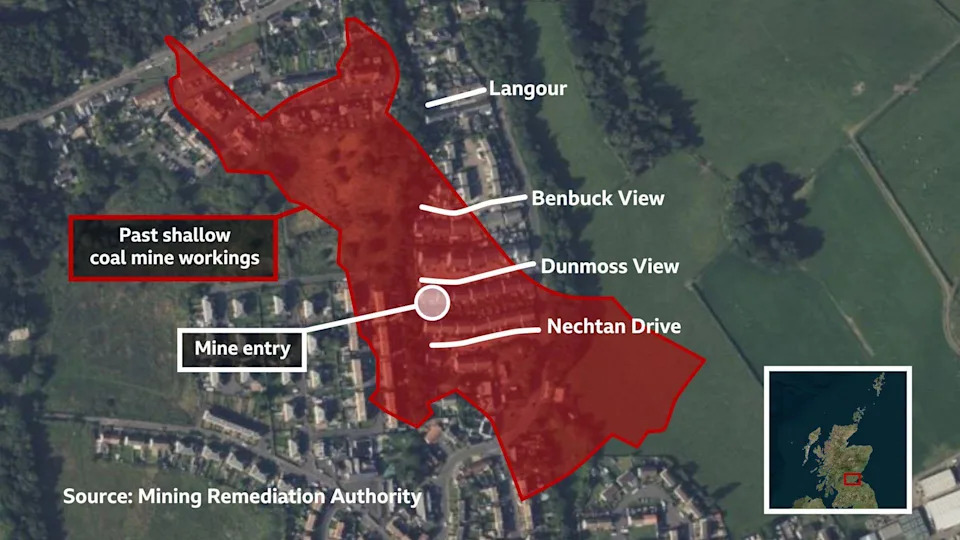
More than 250 residents — 256 people from 97 homes in Coalsnaughton, Clackmannanshire — were ordered to leave their houses after ground movement linked to historical coal mining was detected in May. An eight-week probe by the Mining Remediation Authority (MRA) at four affected streets has concluded the instability is connected to past mineworkings and that movement is still ongoing.
[BBC]
Investigation and Immediate Impact
The MRA reported visible signs of ground movement across the site, including cracks in roads, paths and gardens and structural damage to some properties. Residents have been allowed to collect belongings by appointment, and a public update meeting for affected households is scheduled for Tuesday.
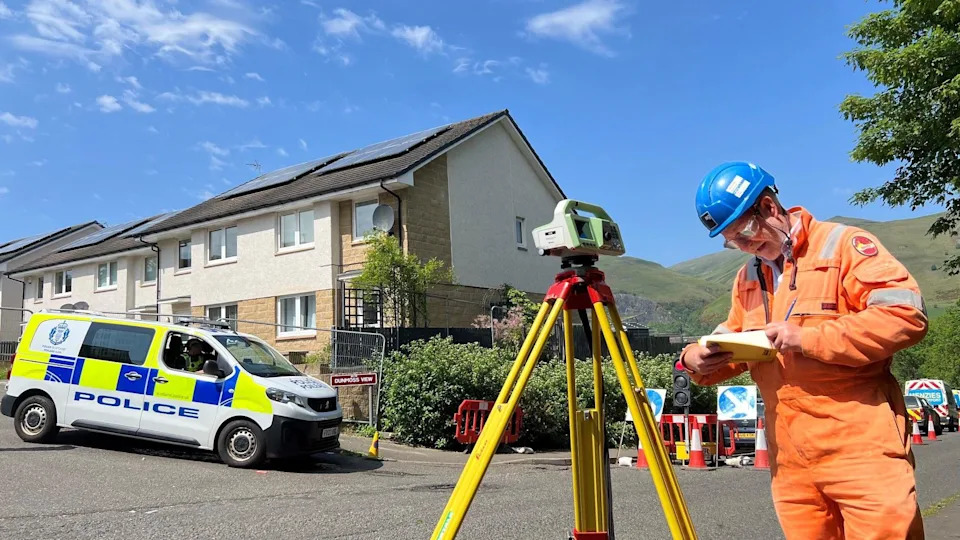
An eight-week investigation into the cause of the ground movement was carried out by the Mining Remediation Authority [BBC]
Residents' Reactions
Aaron Anderson, a father of three whose 11-year-old twins have autism, said: "I firmly believe these houses will be condemned and demolished. I can't foresee anyone getting back regardless if their house has moved or not." Following the evacuation his family stayed in an Airbnb in Grangemouth and are now living in Dunfermline.
William Podwalski described the community as being left "in limbo." He said he had been out of his home since 18 May, slept on a friend's couch, and only recently secured accommodation. He welcomed clarity over responsibility for the response.
Government Response and Next Steps
UK Energy Secretary Michael Shanks visited the site and said each property will receive an individual assessment. Some homes may be remediated and the occupants allowed to return; others may be unsafe and require purchase and demolition. Under the Coal Mining Subsidence Act 1991, the UK government has a legal duty to remedy coal mining subsidence damage, and the Department for Energy Security and Net Zero has confirmed the government will meet the costs of making affected properties safe.
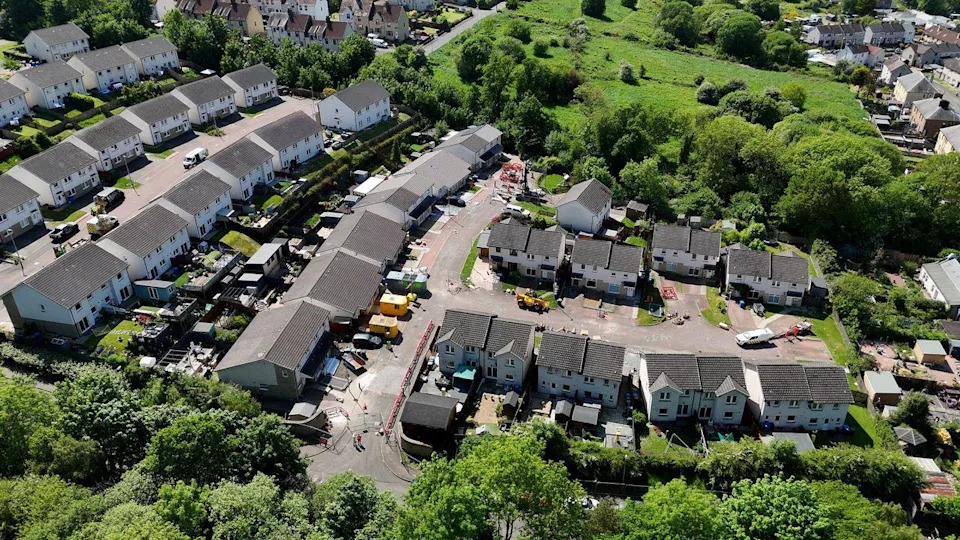
In total 256 residents of Coalsnaughton have now been told to leave their homes [BBC]
Shanks warned the overall bill could run into tens of millions of pounds and stressed that safety remains the top priority. The ground is reportedly still moving, albeit more slowly, so monitoring and careful assessment will continue before any decisions on returns or buyouts are finalised.
MRA Position
Carl Banton, the MRA's chief operations director, said this is the largest incident the authority has handled. He noted impacts vary by street: two inner streets have sustained damage while two outer streets appear less affected. The MRA is exploring the full range of options, including remediation where possible and exercising statutory powers to purchase properties where necessary.
For now, families remain temporarily rehoused while officials carry out surveys, monitoring and individual property assessments. A meeting for residents is expected to provide further detail on timelines and support arrangements.
Help us improve.