Violence flared in the West Bank after an attack by settlers on 24 July in Tal left several dead, sparking nightly Israeli raids, widespread settler arson and the rapid deployment of army battalions. Checkpoints and closures have tightened movement across the West Bank while new illegal outposts were reported. In Gaza, continued strikes, a shifting "Yellow Line" and an emergent earthen barrier have worsened displacement and food insecurity; UN agencies warn of acute maternal and child health crises.
West Bank Erupts After Deadly Clashes in Tal — Raids, Settler Arson and Mounting Humanitarian Toll
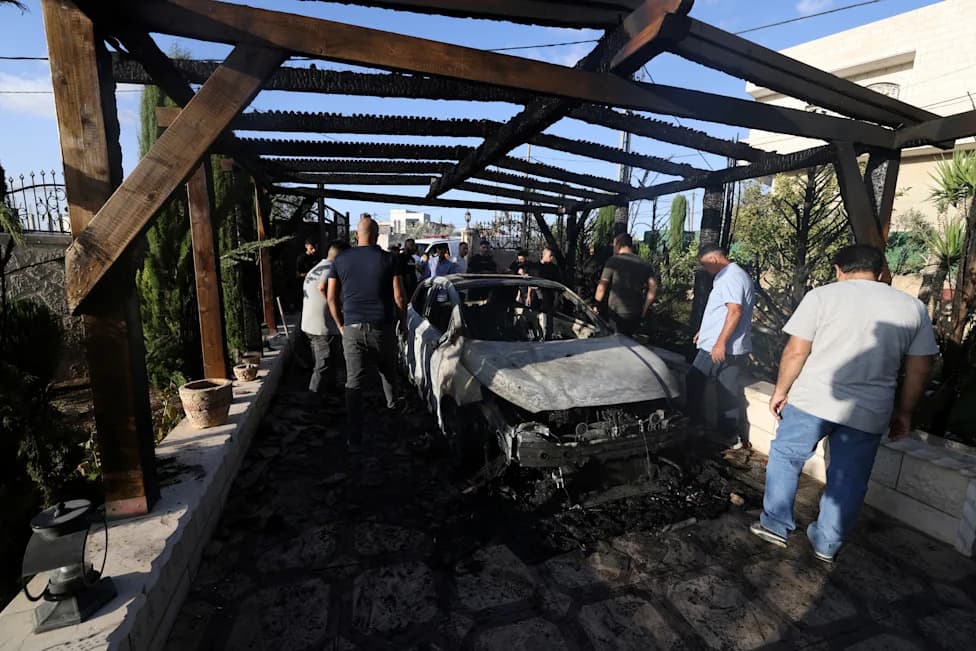
Palestinian residents look at their destroyed vehicle, torched along with their home in an Israeli settler attack, in the village of Sarra, west of the city of Nablus in the Israeli-occupied West Bank, on July 24, 2026 [AFP]
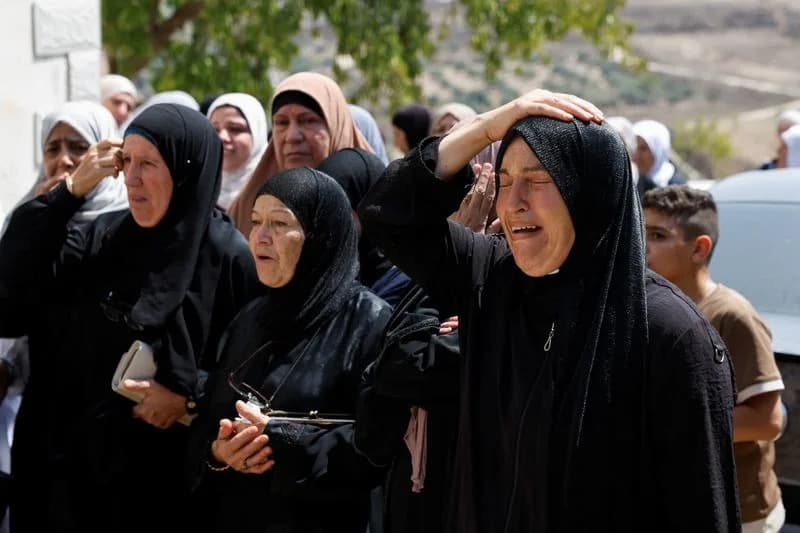
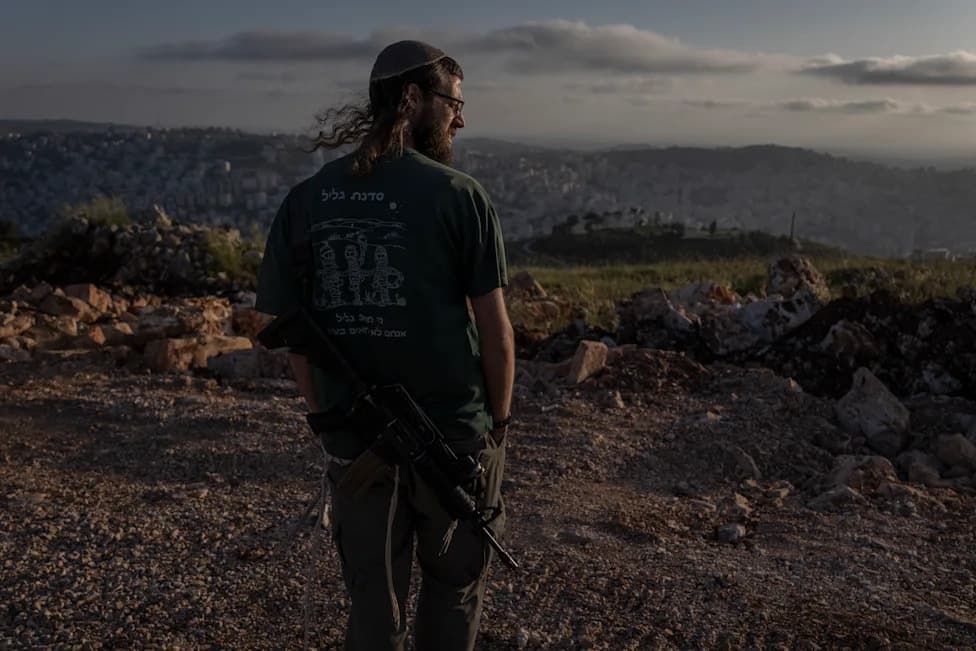
On the morning of 24 July, more than 20 Israeli settlers from the unauthorized Havat Gilad outpost attacked homes on the eastern edge of Tal, southwest of Nablus in the occupied West Bank. Local residents initially pushed the group back, but the settlers returned shortly afterward accompanied by Israeli soldiers. Video footage appears to show a Palestinian man seizing a settler's rifle and shooting him dead; soldiers then shot and killed the Palestinian. Subsequent footage shows continued Israeli gunfire. Four members of the Ramadan family were killed in the violence; a settler and an Israeli soldier also died.
Rapid Military Response and Wider West Bank Campaign
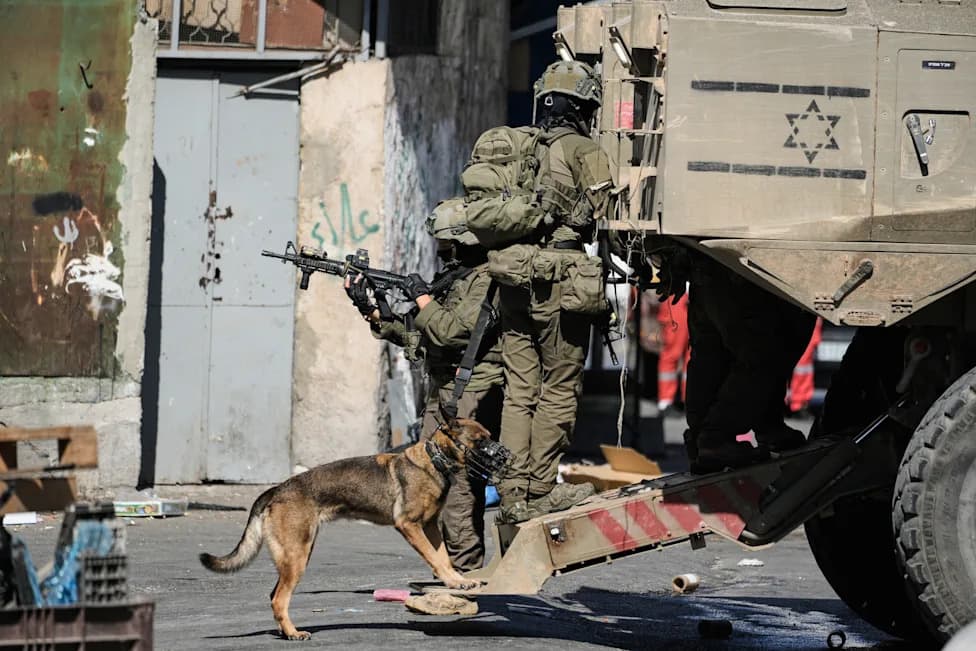
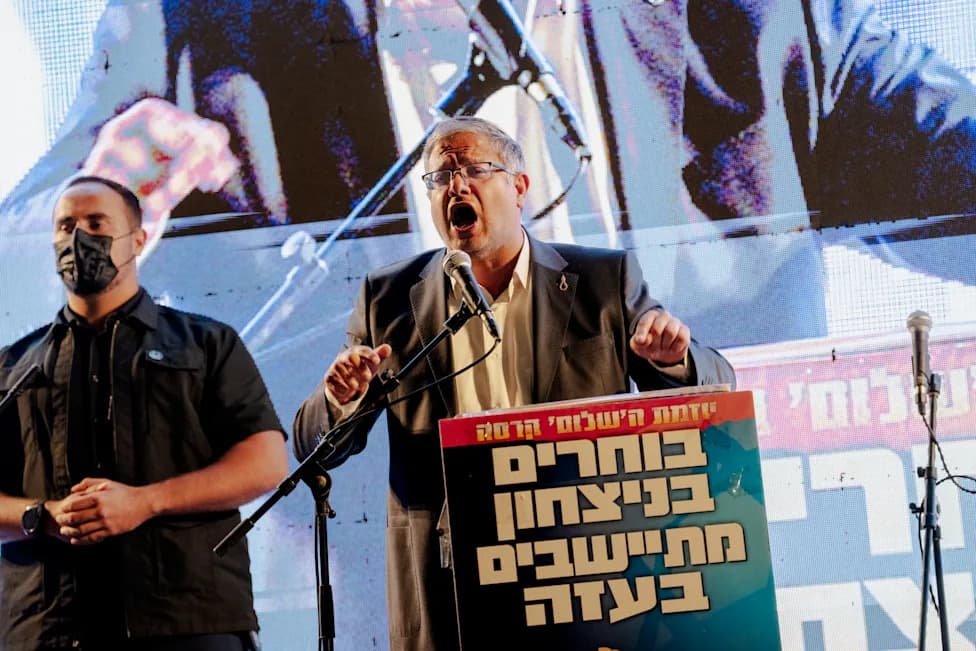
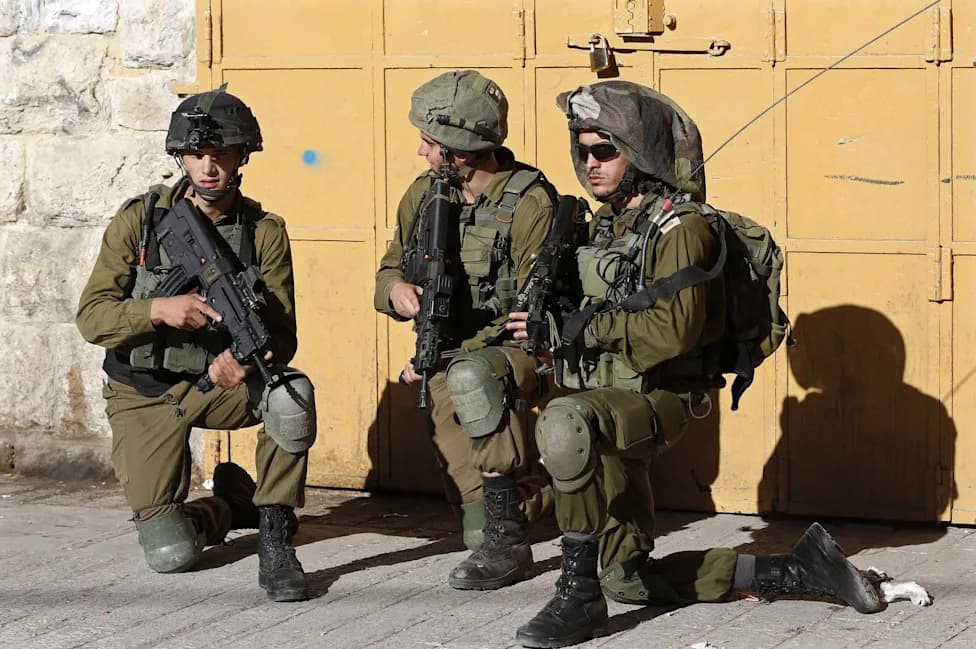
Hours after the Tal killings, Prime Minister Benjamin Netanyahu ordered a "wide-scale military operation." Measures announced or implemented included the demolition of the alleged attacker’s home, revocation of work permits in villages described as "terror hotspots," reinforcement of army units and accelerated moves to formalise settler farms and outposts—actions critics say are illegal even under Israeli law. Israeli public radio reported that roughly 26 army battalions were deployed across the occupied West Bank.
Over the following days Israeli forces returned to Tal on nightly raids, detaining an estimated 30–50 residents and searching around 70 homes. Similar operations and patrols took place across Jenin, Tubas, Ramallah, Hebron, Bethlehem, Tulkarem and occupied East Jerusalem.
Spread of Settler Violence and New Outposts
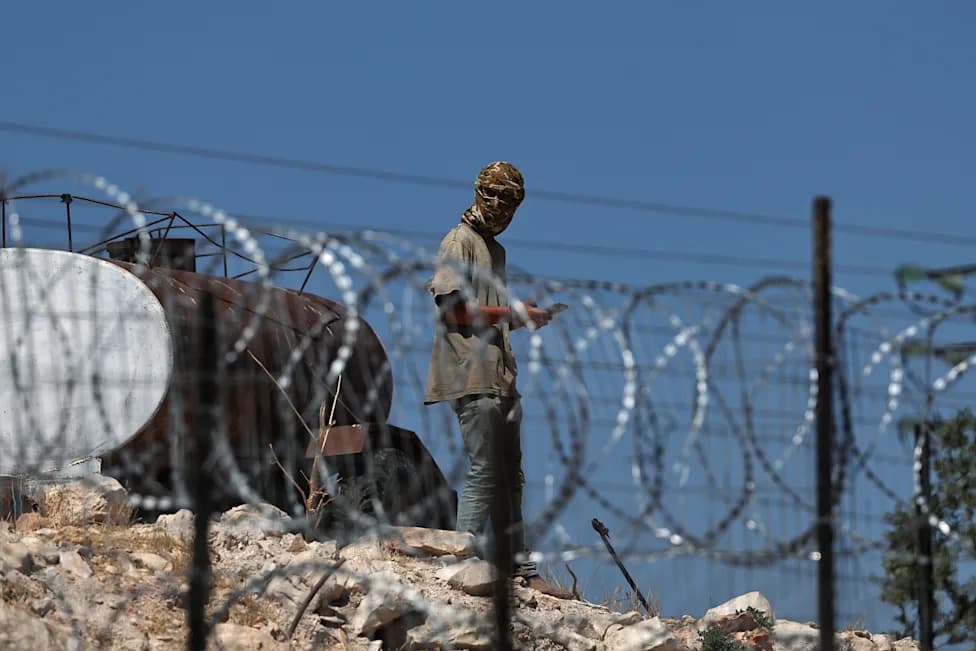
Settler violence surged across the West Bank in the days after the Tal incident. Israeli Army Radio counted about 30 separate settler attacks over the weekend. Activists and public radio reported that four new settlement outposts appeared overnight next to Tal and the neighbouring villages of Awarta, Qusra and Jabal Ubayd. That adds to the Wall and Settlement Resistance Commission’s tally of 42 new illegal outposts established across the West Bank in the first half of 2026, many agricultural and concentrated in Hebron, Ramallah and Nablus governorates.
Documented incidents include: in Sarra (southwest of Nablus) settlers burning six homes and five vehicles and assaulting residents; in Farata (east of Qalqilya) attacks that torched a woodworking shop, homes and farmland and wounded multiple people. Settlers also carried out "price tag" arson attacks on two mosques and vandalised religious sites. Relatives reported that in Urif an infant under two months survived because her grandfather pulled her from her crib as attackers set the family home alight.
Restrictions, Land Seizures and Movement Impacts
Israeli forces and settlers established checkpoints, sealed roads and closed village entrances across the northern West Bank, including Sinjil and Nabi Saleh, and repeatedly shut gates around Jerusalem. Rolling roadblocks near Nablus and Ramallah were reported. Nablus’s Emergency and Ambulance Center warned that tightened restrictions delayed ambulance transfers, including for dialysis patients, contributing to what local sources described as an effective siege of many West Bank communities.
Authorities also issued land-seizure orders and directives to uproot olive trees in parts of Jenin and Tubas governorates.
Violence and Displacement in Gaza
Separately, Gaza continued to see strikes and shifting military control. By 27 July the Gaza Ministry of Health reported 1,203 deaths since the October 2025 ceasefire. Reported incidents during the week included drone strikes that killed people near Yemen Al-Saeed Hospital in Jabalia, strikes that destroyed homes in Zeitoun and Yarmouk and hits in the Maghazi camp. A senior Gaza police official, Brig.-Gen. Abdul-Nasser al-Maqadma, was killed in a drone strike in Sheikh Radwan; Israeli authorities said he was a member of Hamas's armed wing. Other strikes killed civilians, including a young man in Khan Younis who had gone out to buy sweets to celebrate exam results.
Satellite imagery analysed by news agencies showed Israel building an earthen barrier roughly 23 km long across the Strip and moving the so-called "Yellow Line" of direct control eastward in several locations, actions that have forced families to flee and further fragmented Gaza territory.
Humanitarian Impact
International agencies warned the humanitarian situation in Gaza is deteriorating. The World Food Programme said it would be forced into deeper food-assistance cuts without urgent funding. FAO and UNICEF reported that roughly 67% of Gaza’s population (about 1.4 million people) face crisis levels of food insecurity. OCHA reported nearly 4,000 miscarriages in the first half of 2026—more than triple the number in the second half of 2025—and severe maternal complications recorded at 82 per 1,000 deliveries, with 57% of pregnant women anaemic. The May closure of the Zikim crossing has reduced weekly aid truck arrivals to northern Gaza by roughly one-third.
International Stabilization Force
The Israeli government approved the entry of an International Stabilization Force (ISF) into Gaza after diplomatic calls to speed deployment. An Israeli official said the ISF would operate "in full coordination" with the Israeli military in areas not under Israeli control; Reuters reported the force could number about 200 personnel from countries such as Uganda and Morocco. No timeline has been announced for deployment.
Context and Consequences: The Tal killings were a flashpoint that triggered a wave of settler attacks and a heavy Israeli security response, compounding an already severe humanitarian crisis in Gaza and heightening tensions across the occupied territories ahead of Israeli elections.
Help us improve.