The UK government has unveiled plans for England to let pupils from age 14 combine core academic subjects with technical training in areas such as manufacturing and AI, aligned with local jobs. The move aims to tackle rising NEET rates—ONS data shows 13.5% of 16-24 year-olds were NEET this year—and to strengthen links between schools, employers and regional industries. Unions and opposition figures welcomed the intent but called for clearer detail on funding, timelines and the impact on existing qualifications; some programmes could start in certain areas by 2028.
England To Offer Technical Education Pathways From Age 14 To Tackle Youth Unemployment

[Getty Images]
Pupils in England will be able to study technical subjects such as manufacturing, artificial intelligence and other vocational routes alongside core academic lessons from age 14 under new government plans. The courses, to be introduced from Year 10, are intended to link classroom learning to local jobs and industries.
What The Government Proposes
The government says the new pathways will allow students to combine essential academic subjects like English and maths with a high-quality technical education aligned to regional labour market needs. Pupils will be offered skills training, employer-led work experience and stronger local employer connections to improve transition into work.
Why The Change Now?
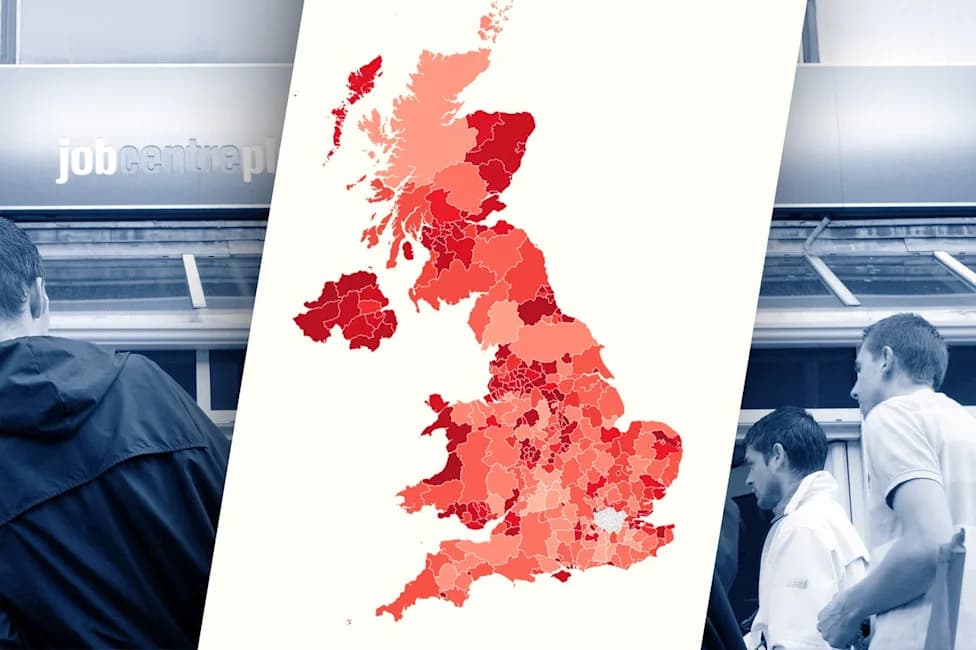
This move follows data showing more than one million young people across the UK were not in education, employment or training (NEET) — the highest level in more than a decade. Office for National Statistics figures cited in the government’s announcement show 13.5% of 16- to 24-year-olds were NEET at the start of this year.
Implementation And Local Pilots
Officials say the reforms will build on successful local initiatives, including the Greater Manchester Baccalaureate (MBacc), launched in September 2024. The MBacc framework enables pupils to choose a combination of GCSE subjects that mix academic and technical options tailored to growing local sectors such as green energy and digital industries. The government expects some pathways to be operational in parts of the country by 2028 and plans to work with regional mayors, councils, schools, colleges and employers on rollout.

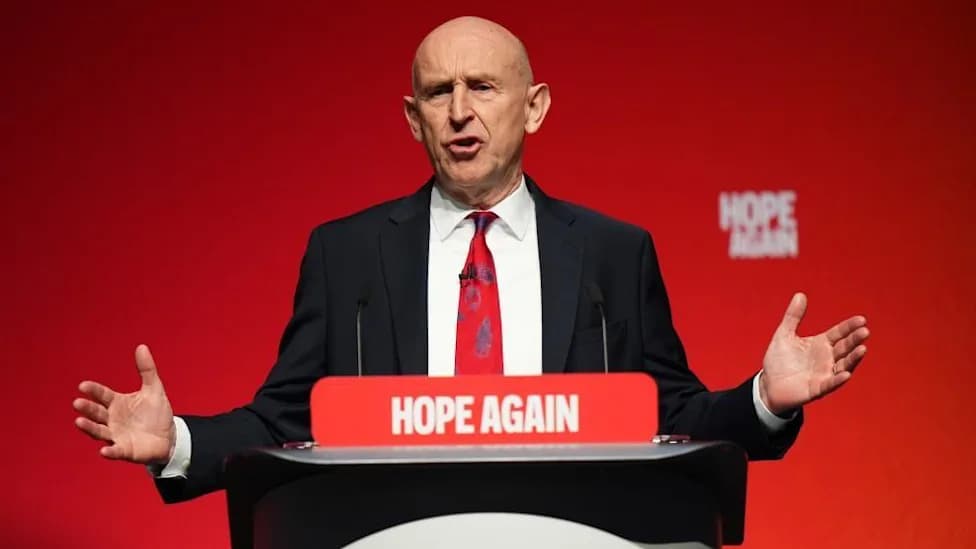
Burnham says he wants an education system "which gives all young people a clear path in life" [PA Media]
Responses From Stakeholders
School leaders’ unions and official bodies broadly welcomed the ambition to strengthen technical education and address youth unemployment, but many asked for clearer detail on funding, timelines and practical delivery. Alan Milburn, whose interim review warned of a possible "lost generation," described the changes as "very welcome" and consistent with his findings, while urging a broader "whole system reset" across health, welfare and labour market policy.
Prime Minister Andy Burnham said: "My message to young people is this - whether you choose construction, coding or classics, or maths, manufacturing or mechanics, you'll get the skills you need and be given the respect you deserve."
Shadow education secretary Laura Trott criticised the package as unclear and warned against replacing GCSEs without clear evidence. Unions such as the Association of School and College Leaders and the National Association of Head Teachers welcomed the intent but called for much greater clarity on funding and operational detail, and questioned the timing of major announcements during school holidays.
Scope
The planned changes apply only to England, because education is devolved, though Wales, Scotland and Northern Ireland have also pursued improvements to technical and vocational education in recent years.
The government says the reforms aim to give young people better routes into local careers while ensuring that technical routes carry comparable status to traditional academic options.
Help us improve.