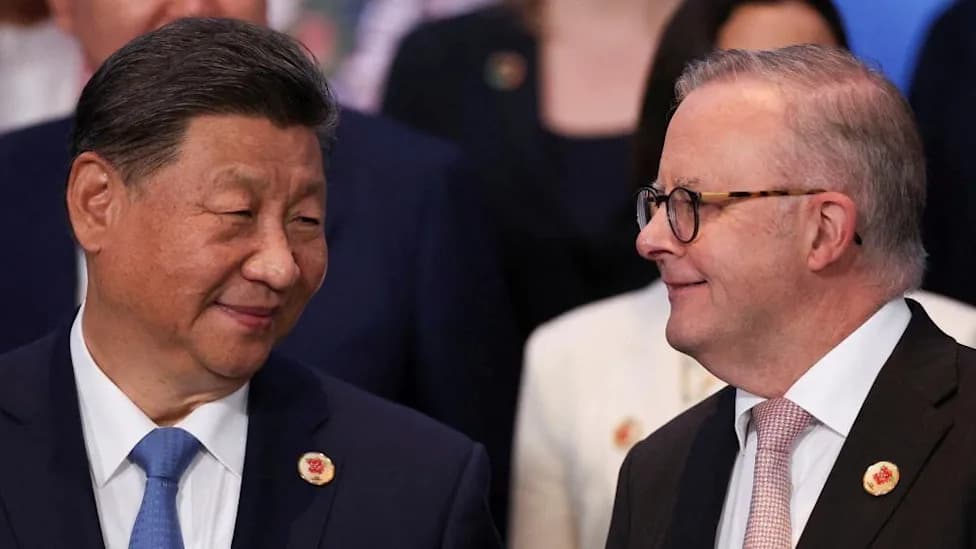
Analysts say Asia is reshaping its security architecture under twin pressures from China’s assertiveness and an unpredictable United States. Japan has strengthened ties with Australia, the Philippines and India while boosting its military capabilities; Australia has signed a defense pact with Fiji; and South Korea is pursuing nuclear-powered submarines. Regional governments are crafting a "flexible web" of overlapping partnerships, logistics planning and intelligence sharing to increase resilience against China and encourage greater burden-sharing with the United States.
Asia Recasts Security Order: Nations Weave a Flexible Web to Balance China and an Unpredictable U.S.
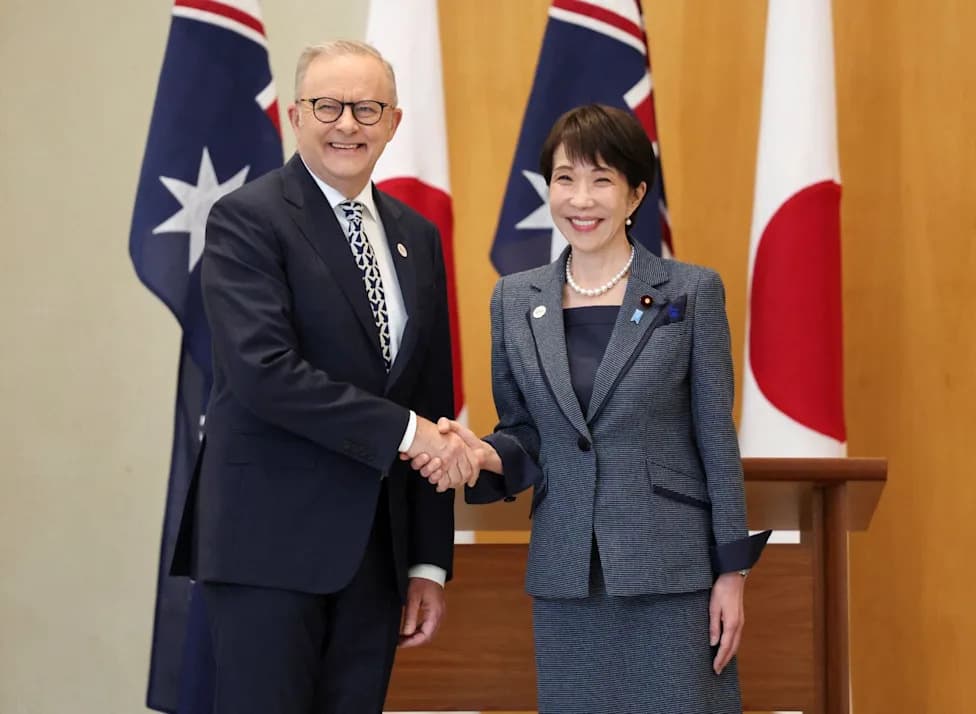
Dual forces pressure Asia to reshape its security order
Analysts say Asia is actively reshaping its security architecture in response to two converging pressures: Beijing's growing assertiveness and an increasingly unpredictable United States.
Japan has deepened security ties with Australia, the Philippines and India while accelerating its military modernization. Canberra has signed a defense pact with Fiji, and South Korea is moving quickly to develop nuclear-powered submarines. These steps reflect a regional drive to strengthen deterrence and logistics without creating a single NATO-style alliance.
"Governments across the region are building a flexible web of overlapping partnerships, logistics planning and intelligence sharing," a former U.S. diplomat observed, framing the effort as both a way to bolster resilience against Beijing and to demonstrate to Washington that allies can shoulder more responsibility.
A military analyst suggested that a networked system of cooperative ties may prove more durable than reliance on a U.S. security presence that some view as overstretched. Rather than centralize command under one treaty, Asian states appear to be pursuing a mosaic of bilateral and minilateral agreements that improve operational interoperability and crisis response.
While these moves stop short of forming a single unified bloc, they signal a strategic recalibration across the region: deeper defense cooperation, expanded logistics and intelligence linkages, and an emphasis on shared burden‑sharing to deter coercion and preserve stability in the Indo‑Pacific.
—Tasneem Nashrulla
Help us improve.