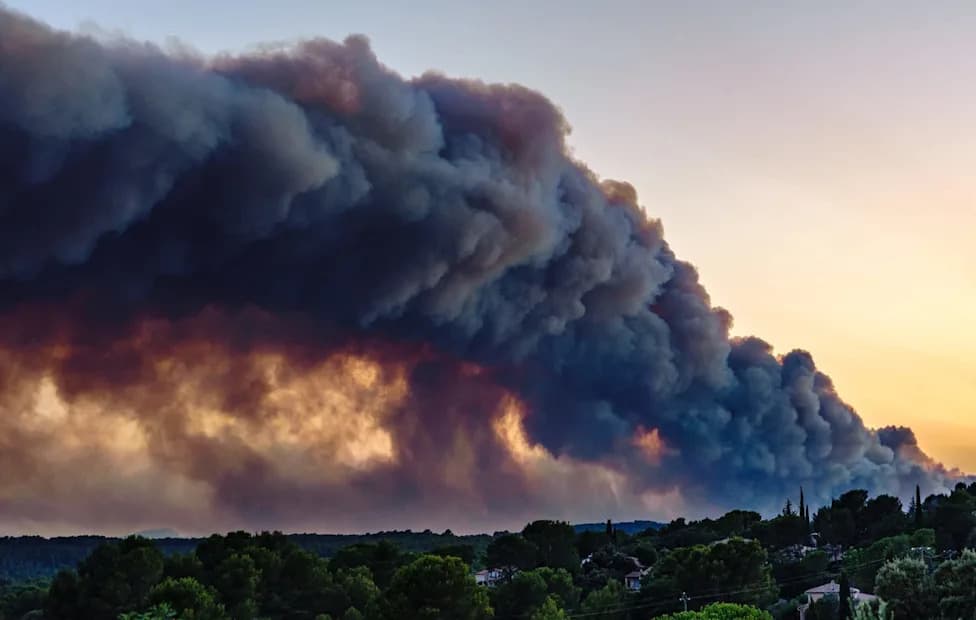
Wildfires west of Bordeaux have scorched about 42,000 hectares (103,000 acres), destroying property and inflicting what officials call “catastrophic” losses on wildlife. Threatened species, reptiles, small mammals and insect populations are likely decimated, with ash contaminating waterways and causing long-term ecosystem harm. Survivors face habitat loss, competition for limited resources and health impacts from smoke. Government agencies will meet to discuss the environmental response and recovery measures.
France’s Wildfires Devastate Wildlife: ‘Catastrophic’ Losses West of Bordeaux
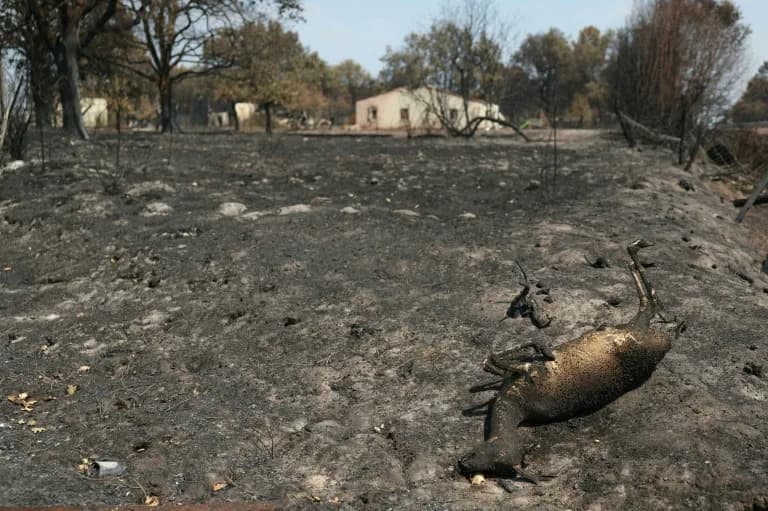
France is expecting significant wildlife losses due to the fires near Bordeaux. (ALAIN JOCARD)
Deer hemmed in by advancing flames, lizards unable to escape searing heat, and habitats reduced to blackened trunks and ash: France’s forests west of Bordeaux have suffered devastating damage, and wildlife losses are expected to be severe.
About 42,000 hectares (103,000 acres) of woodland in the Gironde department have burned since Wednesday. Officials warn that an approaching heatwave could fuel the blazes and expand the area affected.
Homes, farmland and vehicles have been destroyed, and France’s ecology minister Monique Barbut said wildlife had endured “extremely significant losses.” She added that while exact figures are not yet available, “it is clear that the numbers will be catastrophic.”
Laurent Tillon, an engineer at the National Forestry Office, described the intensity of the fires in hard-hit communes such as Le Porge on the Atlantic coast: “The power and energy released were far too great. In places like Le Porge, almost nothing could have survived.”
Nature Rendered Uninhabitable
Ecologists say threatened and local species would have struggled to survive the extreme heat, smoke and flames. Vulnerable animals mentioned by experts include the Western spadefoot burrowing toad, the striking ocellated lizard, and the tiny Etruscan shrew—one of the smallest mammals on Earth.
Insect populations are likely to have been decimated en masse. Ornithologist Gregoire Lois of the National Museum of Natural History warned that the collapse of insect numbers will have cascading effects on insect-eating birds, especially passerines that rely on abundant insect prey.
“That area will be completely inhospitable next year,” Lois said, stressing long-term impacts on breeding and foraging grounds.
Large volumes of ash and burned material are polluting rivers and streams, harming aquatic ecosystems. Celine Sissler-Bienvenu, an animal protection and crisis management expert, singled out the European pond turtle as a long-lived species that was heavily impacted by major fires in the same region in 2022 and may again face severe losses.
No Safe Haven
Faster-moving wildlife such as deer can flee flames but often encounter new dangers: disorientation, entrapment by shifting fire fronts, or fatal collisions after running onto roads and rail lines. Smoke inhalation and exposure to toxic fumes also pose immediate and chronic health risks, particularly for small animals and birds.
Survivors face a second crisis: the loss of habitat and food sources. They must compete for limited territories and resources, increasing stress, predation risk and mortality in the months ahead.
“Reintroducing species driven out by fire is tricky when there are no longer any forests,” Barbut said. “Wildlife needs a habitat.”
The prime minister’s office has scheduled discussions on the fires’ impact on wildlife and next steps. Recovery and restoration will require careful planning, habitat restoration and monitoring to help populations recover where possible.
Help us improve.