
Both the Alpha Capricornids (July 7–Aug. 13) and the Southern Delta Aquariids (July 19–Aug. 13) are expected to peak the same night late in July, the American Meteor Society reports. Alpha Capricornids are slow and occasionally produce bright fireballs, while the faster Southern Delta Aquariids peak in the predawn hours around 3 a.m. A full Buck Moon beginning Wednesday could reduce visibility, so aim for late-night or pre-dawn viewing from a dark site.
Two Meteor Showers Peak the Same Night — Alpha Capricornids and Southern Delta Aquariids Put On Late‑July Display
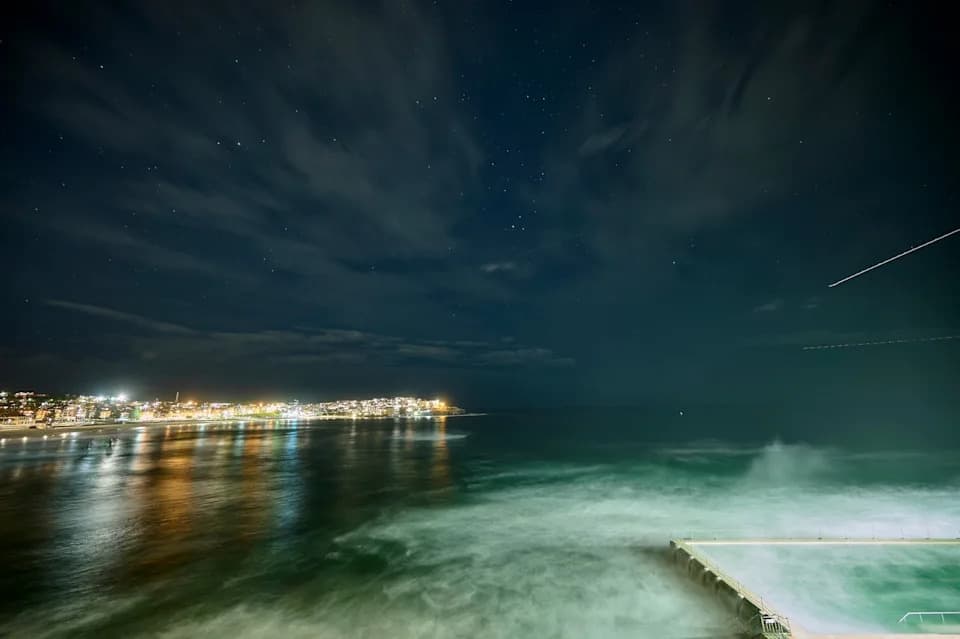
Saverio Marfia/Getty Images - PHOTO: The night sky is illuminated by the Piscis Austrinids, the Southern Delta Aquariids, and the Alpha Capricornids meteor showeron July 28, 2022 in Sydney, Australia.
Stargazers may be in for a treat during the final days of July: the Alpha Capricornids and the Southern Delta Aquariids are both forecast to peak on the same night, the American Meteor Society (AMS) says. Late July is traditionally one of the best windows for meteor watching, with the Perseids also active through the end of the month.
Alpha Capricornids are active from July 7 through Aug. 13. They typically produce about three meteors per hour but occasionally yield bright, slow-moving fireballs that can outshine nearby stars. The stream appears to radiate from the vicinity of the naked-eye double star Alpha Capricorni. That part of the sky rises in the east at roughly 8 p.m. local daylight time (LDT), but early-evening viewing may be limited because many meteors remain below the horizon.
Southern Delta Aquariids run from July 19 through Aug. 13. Their radiant is located in southwestern Aquarius, just west of the star Delta Aquarii — roughly 40 degrees east of the Alpha Capricornid radiant. The Delta Aquariids generally rise around 10 p.m. LDT and climb highest near 3 a.m. LDT. These meteors are noticeably faster than Alpha Capricornids, often appearing and fading in under a second.
What You Can Expect
Under ideal, dark-sky conditions the activity rates are modest for both streams: Alpha Capricornids average about three meteors per hour, while Southern Delta Aquariids can reach roughly 5–10 meteors per hour in the Northern Hemisphere and 10–20 per hour in the Southern Hemisphere when the radiant passes overhead. By contrast, the Perseids — active through the end of July — can produce between 50 and 100 meteors per hour under a clear, dark sky, and are known for swift, bright fireballs and colorful wakes.
Viewing Tips
- Find a dark location away from city lights and give your eyes 20–30 minutes to adjust to the dark.
- For Alpha Capricornids, wait until later at night when the radiant climbs higher and the moon has set to improve visibility.
- For Southern Delta Aquariids, the best viewing is in the early morning hours (around 3 a.m. LDT) when hourly rates peak.
- Lie back and look at a wide area of sky rather than focusing on a single point — meteors can appear anywhere.
- Be aware that a full “Buck Moon” beginning Wednesday may wash out fainter meteors; plan around moonset if possible.
Actual meteor counts will vary with moonlight, local weather, and light pollution. Check the American Meteor Society (AMS) and local sky-forecast resources for live updates and viewing conditions before heading out.
Help us improve.





















