Andy Burnham is right to highlight strains in social care and the knock-on pressure on the NHS, but making social care universally free at the point of use would be fiscally unsustainable. Selling a home to fund residential care can be a rational option for many older people, with downsizing and incentives such as stamp-duty relief worth considering. Families should retain a role in eldercare while state support targets the genuinely needy. Separately, a prolonged water outage at Gatwick after a power cut at Bough Beech highlights broader stresses on utility infrastructure.
Selling Your Home To Pay For Care Isn’t Inherently Unfair — And Gatwick’s Outage Shows Utilities Are Strained
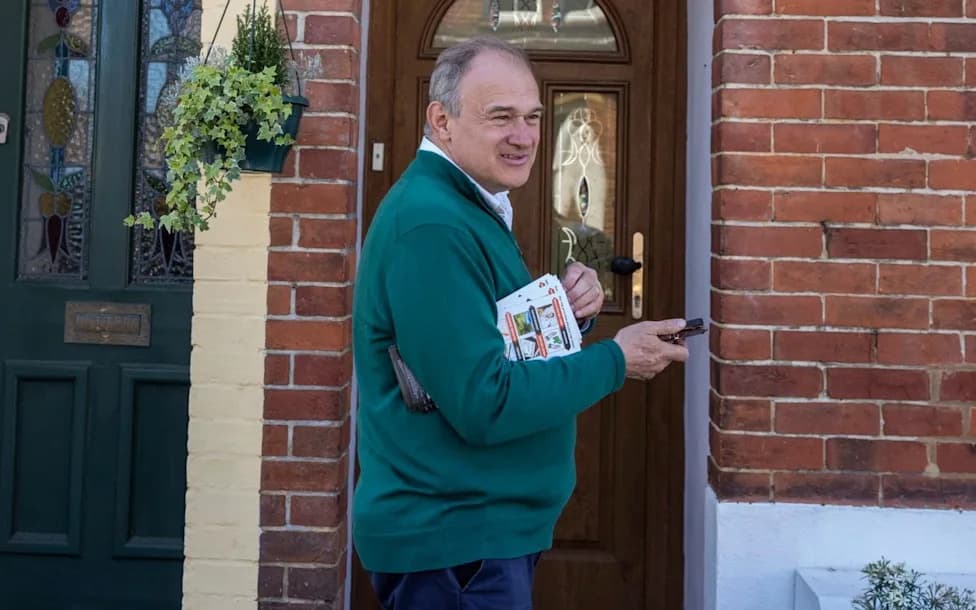
Sir Ed Davey says no one should lose their home because of care costs. Why? - Heathcliff O'Malley
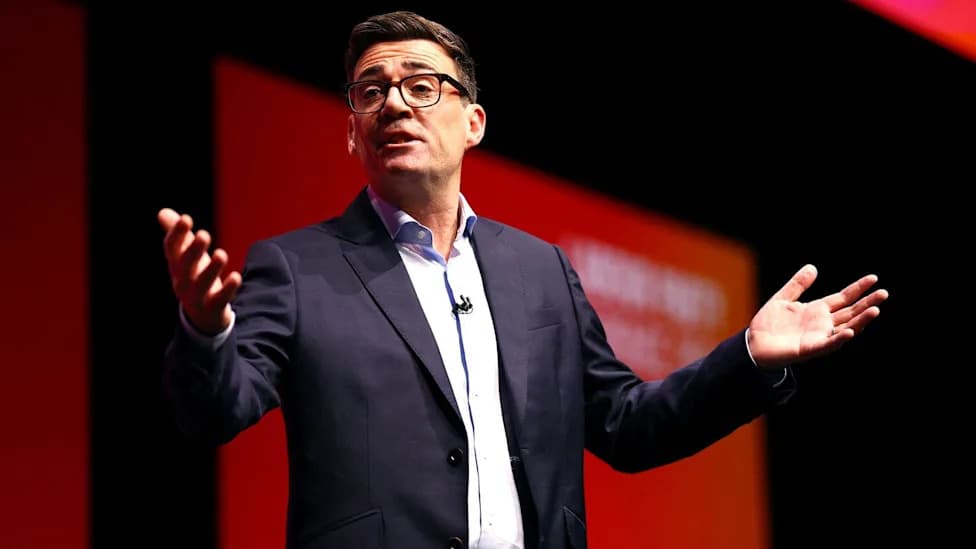
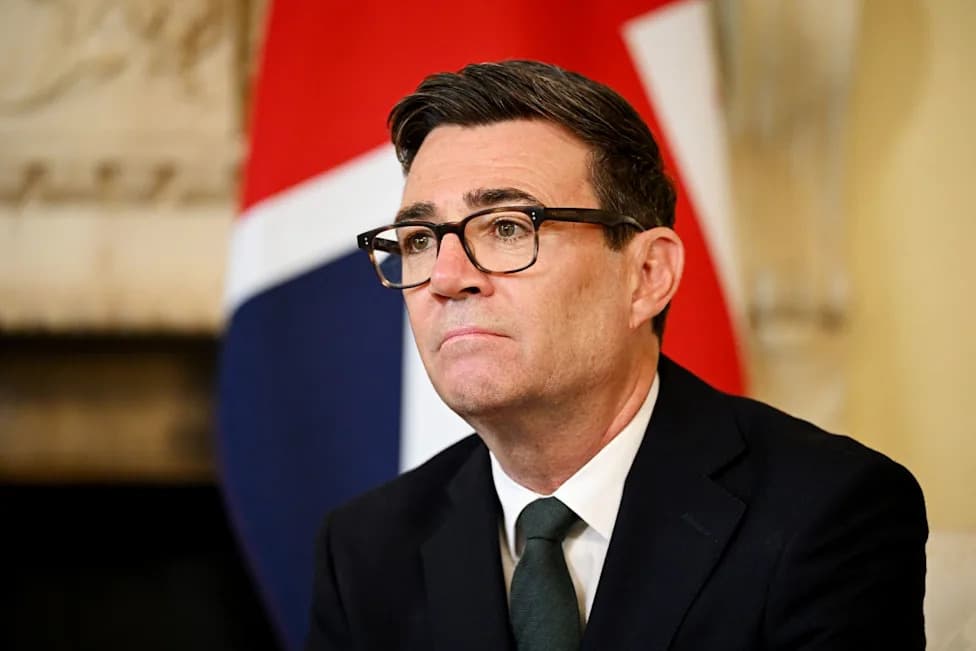
Andy Burnham is right to press for reform of social care, and he is also correct that current arrangements place inappropriate demands on the National Health Service. Today's general hospitals commonly hold patients — mostly older people — who no longer require medical treatment but cannot be discharged safely because adequate care in the community is unavailable. That situation is miserable for patients, families and clinicians alike.
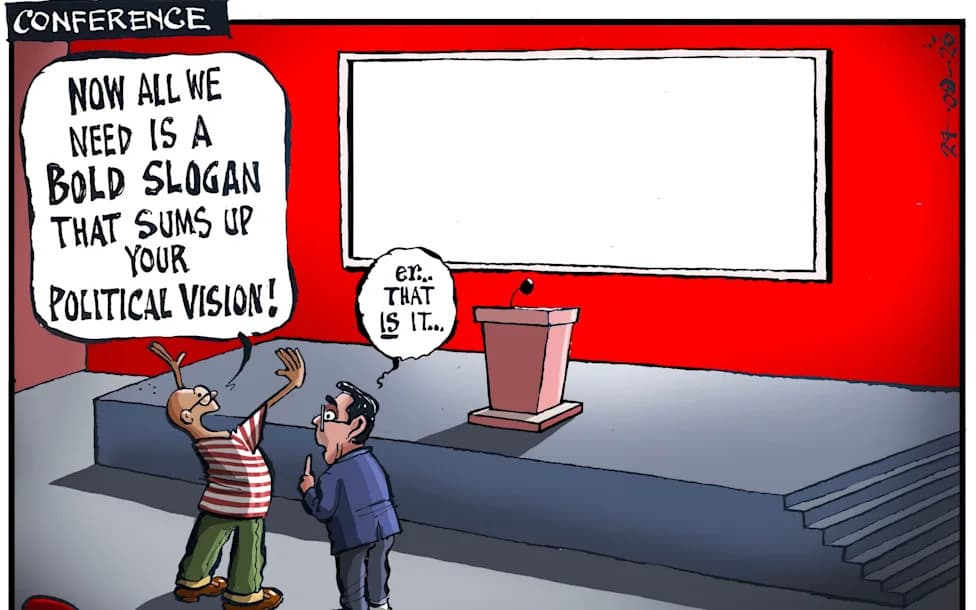
The Prime Minister has proposed a national care service modelled on the NHS. Attractive in principle, such a scheme would be catastrophic in practice. The NHS is free at the point of use for everyone; applying exactly the same rule to social care would impose an unsustainable burden on the Exchequer and would strip many people and families of responsibilities they ought to retain.
It is frequently asserted — as the Liberal Democrat leader Sir Ed Davey has recently insisted — that "no one should lose their home" to pay for care. But why should a house be exempt? The possibility of needing paid care in later life is a foreseeable, if not certain, expense of longevity. When people buy homes they intend to live in them, but they also expect capital value. Converting some of that value to pay for necessary care in old age is not inherently unjust.
Older people typically need less living space: children have usually left home, daily activities are often reduced, stairs become a burden and many become widowed. The idea of "downsizing" is long established. If an individual ultimately requires full-time residential care — and, all else equal, there is roughly a 75 per cent chance they will not — selling a house to fund that care can be a sensible option. Smaller accommodation may better suit their needs, and in many cases they will not return to their former home.
Government could encourage such transitions. For example, abolishing stamp duty on property sales where the proceeds are explicitly used to pay for social care would be a pragmatic incentive to ease the process.
There is also a moral case for family responsibility. Parents cared for their children; where possible, children should play a part in caring for their elders. That duty does not apply in every circumstance, but it is an important social norm. Older people who lack emotional and financial family support are less likely to receive high-quality care. Caring for elderly relatives can be burdensome, but it can also be rewarding in ways that echo the pleasures and duties of raising children.
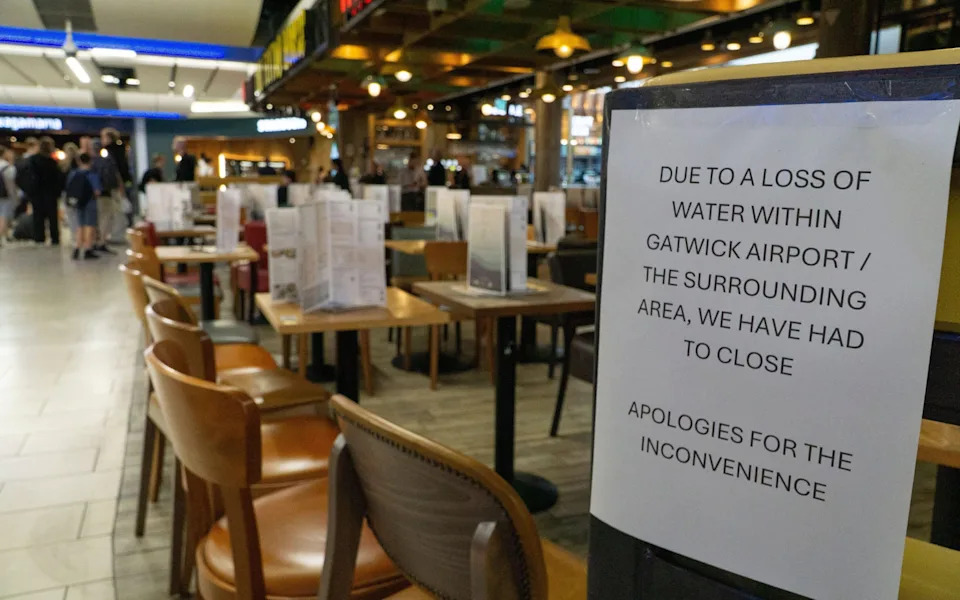
The experience of no water and no loos at Gatwick must have been hellish - Anna Watson/Alamy
So why the anger about selling a home? Much of the outrage appears to stem from the next generation — potential heirs — rather than from older people themselves. While heirs may understandably resent losing an inheritance, inheritance is not a guaranteed entitlement; it is a contingent benefit of life circumstances rather than a human right.
Politicians find this an awkward case to make because they risk alienating property-owning voters. Yet abandoning the principle that families should shoulder some responsibility would oblige all taxpayers to underwrite care costs and could push public policy toward extreme or dehumanising options. Public policy should aim to encourage individual savings and target state assistance to those genuinely unable to pay, rather than attempting to nationalise family obligations.
Gatwick Water Outage And The Wider Strain On Utilities
Separately, there was a prolonged water outage — and therefore no functioning lavatories — at Gatwick Airport one Sunday after SES Water suffered a power cut at the Bough Beech reservoir that disrupted flow to the airport. The incident transformed an already unpleasant environment into something far worse: airports are large, short-stay facilities where passengers, once arrived, are confined, subjected to security processes and offered only expensive, low-quality comforts. Losing basic services such as running water on a hot July day would have felt especially intolerable.
The Gatwick episode is a symptom of wider pressure on utility infrastructure. Water and electricity networks are increasingly strained.
In my area, roughly 30 miles east of Gatwick, brief power cuts occur about once a fortnight. They are usually short and accompanied by prompt apology texts, but their regularity is becoming normal rather than exceptional. South East Water has also presided over substantial interruptions: Tunbridge Wells — a town whose name evokes springs — has endured months of water problems and might reasonably reconsider the word "Wells" in its name.
My own village has avoided complete outages but has lived with a leaking mains pipe that trickles down the high street for nearly 30 years. We have a deep garden well, probably Victorian and more than 90 feet down, and the thought of having to draw on that heritage to meet present shortages is unsettling.
Both strands of this piece point to the same practical lesson: expensive, universal solutions that remove individual and family responsibility can be fiscally unsustainable, while leaving utilities and infrastructure under strain threatens daily life and public confidence. A balanced approach — encouraging savings, targeting help to the truly needy, supporting families in care duties, and investing in resilient infrastructure — would better serve the public interest.
Help us improve.