Summary: The SAPPE prison guards' union in Puglia has filed an "esposto" asking prosecutors to investigate alleged systemic safety failures after parts of overcrowded prisons reportedly reached 50°C. The complaint cites entrenched overcrowding, extreme heat, second‑hand smoke and inadequate psychiatric care, and follows a related filing to auditors alleging wasted public funds. Union leaders warn heat is intensifying tensions and raising the risk of riots, while national data show many prisons operating far above capacity.
Italian Prison Guards File Landmark Complaint After Cells Reach 50°C Amid Chronic Overcrowding
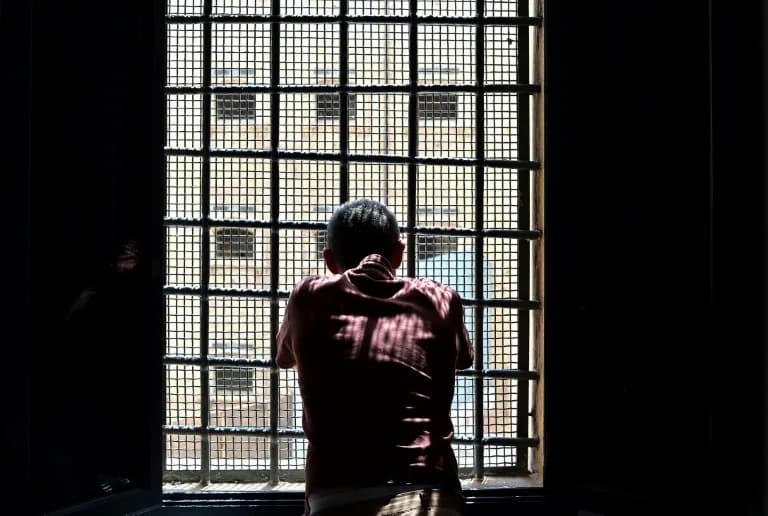
Temperatures reached 50C in overcrowded prisons in Italy's southern Puglia region (Alberto PIZZOLI)
A prison guards' union in Italy's southern Puglia region has lodged a landmark complaint asking prosecutors to investigate systemic workplace-safety failures after parts of overcrowded jails reportedly reached indoor temperatures of 50°C. The filing, an "esposto," accuses prison department officials of negligence for failing to tackle entrenched problems including extreme heat, overcrowding, second‑hand smoke and inadequately treated psychiatric cases.
The SAPPE union in Puglia plans to submit the complaint to the court of Taranto. SAPPE's lawyer, Fabrizio Lofoco, described the action as "trailblazing," saying it may be the first time a collective esposto has been brought in the name of Italy's polizia penitenziaria (prison police). The union hopes the Taranto case can be replicated nationwide to force improvements to Italy's chronically strained prison system.
Related Audit Filing: On June 22 the union filed a parallel administrative complaint at the court of auditors in Bari, alleging "grossly inefficient management" and asking auditors to calculate how much Italy has paid in compensation to prisoners for breaches of minimum space standards set by the European Court of Human Rights (3 square metres / 32 square feet per person). SAPPE estimates compensation at about €15 million a year.
Conditions, Capacity and Risks
Prison headquarters warned regional managers in March to prepare for summer heat, advising measures such as shade, extra water, refrigerators on cell wings and avoiding outdoor breaks at peak temperatures. Inspections nationwide show implementation has been inconsistent.
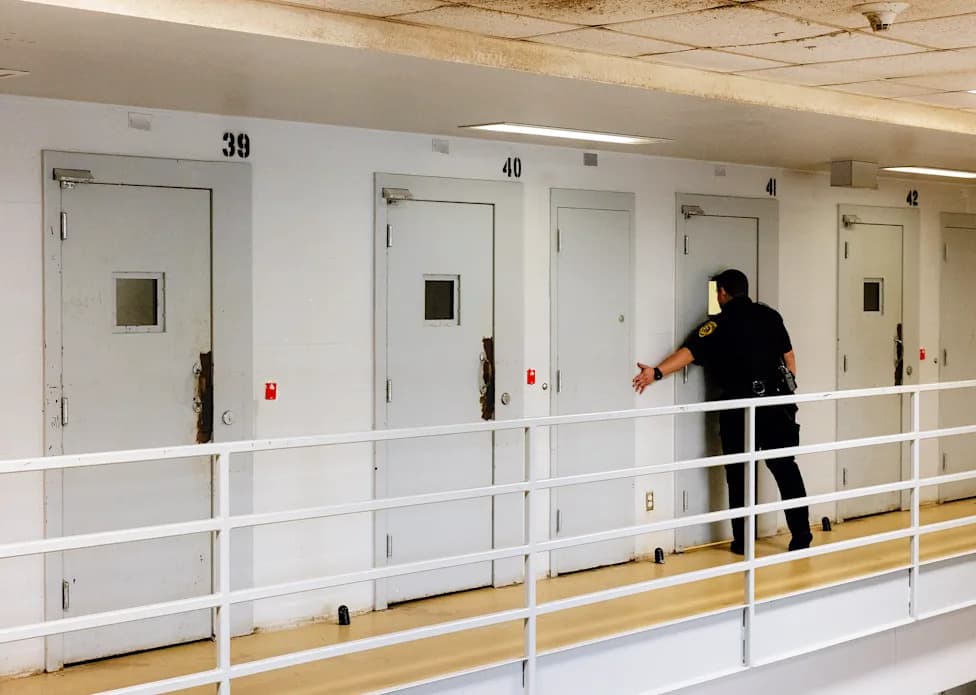
Many facilities were built in the 1970s and 1980s from heavy concrete designed to deter escapes. Those structures trap heat, observers say, and can raise interior temperatures by up to 10°C above outside readings. Federico Pilagatti, head of SAPPE in Puglia, called the conditions "torture," saying cells are "like ovens" even after sundown and that available fans often fail because electrical systems cannot support them.
The complaint alleges parts of Taranto prison have recorded temperatures at or above 50°C since June. Official figures from July 24 show Taranto holding 852 inmates in facilities built for 430 places. Elsewhere in Puglia, Foggia was operating at 2.19 times capacity; nationally, 73 of Italy's 189 prisons were at 150% overcrowding or more as of April 30, with eight facilities exceeding 200% occupancy.
"The water runs out, everything runs out because there are far more people than the infrastructure was built for," said Pilagatti.
Impact On Staff And Inmates
The esposto documents repeated health-and-safety breaches: guards often work forced overtime, sometimes 12‑hour shifts, amid staff shortages and high stress worsened by extreme heat. Union leaders warn the situation is a tinderbox for unrest. "Before long there will be prison riots," Pilagatti said, warning heat-induced stress could spark protests, self-harm or violence.
Prison watchdogs report stark human costs: the advocacy group Antigone recorded 82 inmate suicides last year, and guards' suicide rates run at about three times the national average. Rights groups touring Rome's Regina Coeli complex — a 17th-century convent converted into a jail — described prisoners confined for up to 23 hours a day, often spending their only hour outside during the hottest time.
Relatives and visitors describe distressing scenes: one mother said her son could not afford a fan and his cell lacked refrigeration, making food spoil and temperatures intolerable. AFP's request to visit Taranto prison was denied.
What the Union Seeks: The esposto asks prosecutors to assess whether local and regional prison officials who were notified of risks failed to take adequate preventive steps and could face criminal liability. The union also hopes that judicial scrutiny will push for structural fixes, staffing reforms and humane accommodation standards across Italy's prison estate.
Reporting note: This article synthesizes the SAPPE union's complaint and related filings seen by AFP, official prison department data and statements from union leaders and advocacy groups.
Help us improve.