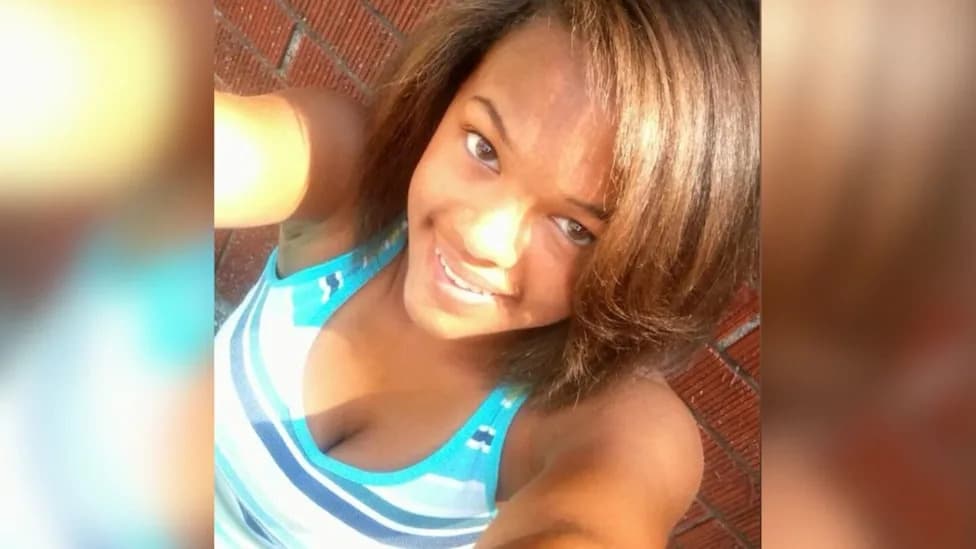
The family and community of 16-year-old Juliana Umba Nzita are disputing a rapid suicide finding after she was discovered hanged near a north Charlotte church. The medical examiner ruled the death a suicide within three days and CMPD closed the investigation four days later without an autopsy, recovering her phone, or interviewing the person who found the body. Relatives, the finder and outside experts say the circumstances are unusual; the family has ordered an independent autopsy and retained civil-rights counsel.
Family and Experts Challenge Quick Suicide Ruling After 16-Year-Old Found Hanged in Charlotte
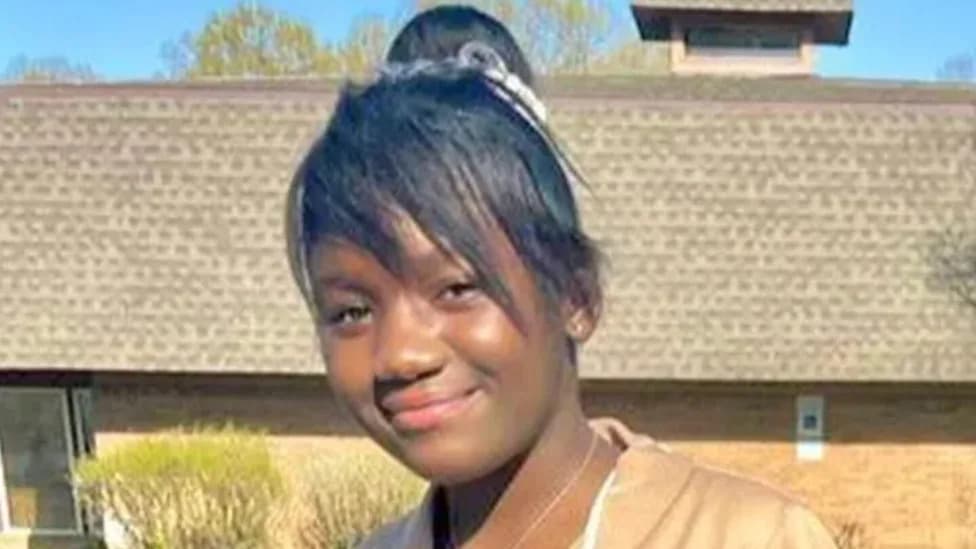
Juliana Nzita (Photo via Family GoFundMe, organized by Bueia Umba for Simelie Khonde Tedika)
Charlotte, N.C. — The sudden ruling that 16-year-old Juliana Umba Nzita died by suicide after being found hanged near a north Charlotte church has prompted intense scrutiny from her family, community members and outside experts.
According to an investigation by The Charlotte Observer, Juliana was discovered in early May in a churchyard by a man walking his dog, with a ratchet strap around her neck and her feet still touching the ground near a small toddler-sized chair. Within three days the medical examiner classified the death as a suicide, and the Charlotte-Mecklenburg Police Department (CMPD) closed its inquiry four days later.
Key questions about the investigation
Family members and advocates say the case was closed without key actions that would be expected in such a shocking public death: no autopsy was performed, officials did not recover Juliana’s cellphone, and the man who found the body was reportedly not interviewed before the case was closed. Relatives also say Juliana, whose family emigrated from the Congo, was active in her church and remembered as gentle and warm, though an uncle acknowledged she had struggled with mental-health issues and severe bullying.
"This is the U.S. This is not a third-world country," said her uncle Mathy Nzita, questioning why an autopsy was not ordered after a teenage girl was found hanging in public.
The man who discovered the body, Kenneth Tolbert, told The Observer he found the scene hard to reconcile with a suicide, noting his own height (5-foot-9) and saying he could not see how Juliana could have reached the tree limb. Tolbert also suggested the response might have been different if the victim had been a white girl at a high-profile church.
Outside experts and department response
Four criminal-justice and mental-health experts interviewed by The Charlotte Observer described the circumstances as atypical, saying public hangings are exceedingly rare among teenage girls and noting historical patterns of racialized violence and disparate investigative attention in the South. CMPD disputed interpretations that the case was mishandled, saying its examination found no defensive wounds, no signs of assault and no evidence of foul play, and urging the public not to draw conclusions without all the facts.
Family actions and public reaction
The family has commissioned an independent autopsy, including DNA analysis, and civil-rights attorney Jill Collen Jefferson is assisting them. Local elected officials have criticized the department’s transparency; City Councilman JD Mazuera Arias called the handling of the case "unacceptable" and "grotesque," and community members continue to press for answers and greater openness from investigators.
This remains a sensitive and evolving matter. If you or someone you know is struggling with suicidal thoughts, the 988 Suicide & Crisis Lifeline is available by call or text at 988.
Help us improve.