AI dominated discussion at ASCO26 in Chicago, with experts highlighting its growing role in converting unstructured oncology records into research‑grade real‑world data. Venture funding for AI rose more than 400% from 2014–2024, reflecting rising industry interest. Speakers praised ambient scribe and extraction tools for speeding workflows but stressed the need for rigorous validation, privacy safeguards and continued human oversight.
ASCO26: How AI Is Easing The Oncology Real‑World Data Burden

AI is touchinhg all areas of oncology clinical trials
Artificial intelligence (AI) was a major focus at the American Society of Clinical Oncology (ASCO) 2026 meeting in Chicago (29 May–2 June), with speakers and exhibitors highlighting real progress in using AI to extract value from unstructured medical records and accelerate drug-development workflows.
Industry Momentum And Growing Trust
Delegates reported a notable increase in AI‑focused abstracts at ASCO26. Industry data from GlobalData, parent company of Clinical Trials Arena, shows venture financing for AI rose by more than 400% between 2014 and 2024—evidence of growing commercial confidence.
Turning Unstructured Records Into Research‑Grade Data
Experts emphasized AI's particular strength with unstructured real‑world data (RWD). Critical oncology information—biomarkers, treatment patterns and outcomes—often lives in clinician notes, PDFs and outside records. Manually abstracting these sources is slow, costly and error‑prone. AI can extract structured concepts at scale, enabling faster, broader real‑world analyses.
"Just like we do with manual abstraction, we must validate that it's coming up with good enough research‑grade information," said Dr Jessica Paulus, Vice President of Real‑World Research at Ontada. "We must subject it to validation procedures to make sure that we're getting the right information. Even human abstraction is not perfect."
Speakers stressed that automated extraction should reduce manual workload and shift human effort toward oversight and validation rather than replace it. Dr Vivian Yin, Medical Director at Intelligent and a practising orbital oncologist, said AI will eliminate high‑volume, routine tasks but not the need for clinical trial assistants or research coordinators.
Ambient Scribes And Clinical Workflows
Ambient listening and scribe software is already in use in oncology clinics. Dr Debra Patt of Texas Oncology‑Austin Central reported using DeepScribe to transcribe and structure live patient–oncologist conversations, allowing clinicians to stay focused on the patient in the room.
While these tools can strengthen the doctor‑patient interaction, clinicians warned about hallucinations and inaccuracies. AI should augment—not replace—clinical judgment, and outputs must meet clear accuracy benchmarks before clinicians rely on them for decision making.
Privacy, Patient Consent And Behavioral Effects
Experts underscored privacy and consent concerns. Oncology conversations are sensitive; some patients may decline recording, and others may alter how they speak if they know they are being recorded—potentially degrading data quality. Clear HIPAA‑aligned explanations and informed consent are essential to put patients at ease.
Patients Using LLMs: Opportunity And Risk
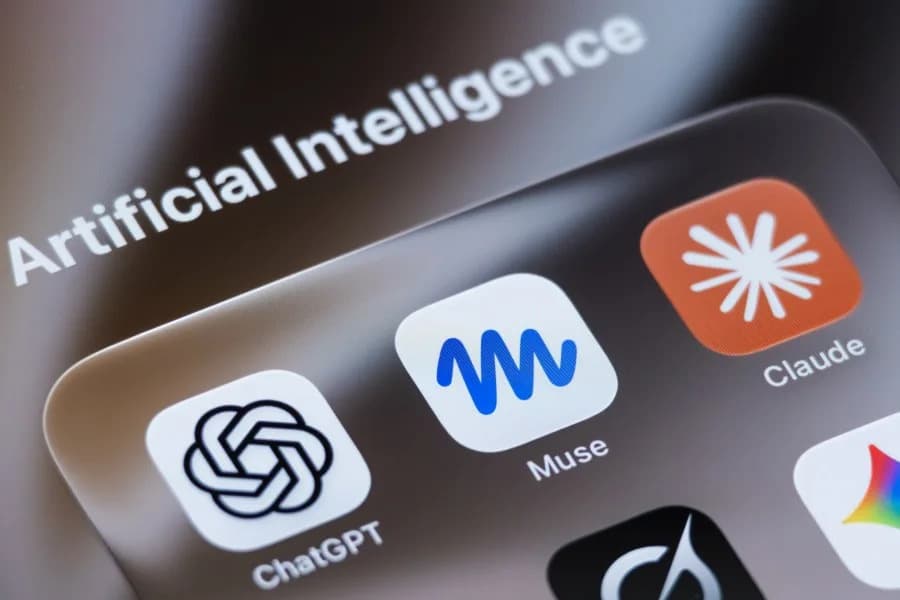
As large language models (LLMs) such as ChatGPT and Claude become public tools, patients increasingly consult them for medical interpretation. Clinicians warned this can be risky: patients may omit essential clinical context or misinterpret responses. Dr Patt offered an example of a breast cancer patient who used ChatGPT to interpret a molecular test but failed to include a key surgical‑margin detail that materially changed recurrence risk and treatment choice.
Outlook
AI is moving from niche projects to routine clinical and research tools in oncology, improving the scope and speed of RWD generation. Yet the technology remains early in adoption—requiring rigorous validation, privacy safeguards and continued human oversight. The current level of cautious trust may be beneficial: it preserves clinician review and helps catch errors that fully automated workflows might miss.
Source: Original reporting by Clinical Trials Arena (GlobalData).
Help us improve.