
Falun Gong is a spiritual movement founded by Li Hongzhi in 1992 that combines qigong-style exercises with moral teachings emphasizing truthfulness, benevolence and forbearance. The movement grew rapidly in the 1990s and mobilized large public gatherings, provoking a hardline response from Beijing: Falun Gong was banned in July 1999 and faced extensive state suppression. Practitioners have responded with nonviolent resistance and international cultural and media efforts while human rights groups document and debate allegations of abuse.
Falun Gong: Origins, Beliefs, Growth — And Why the Chinese Government Suppressed It
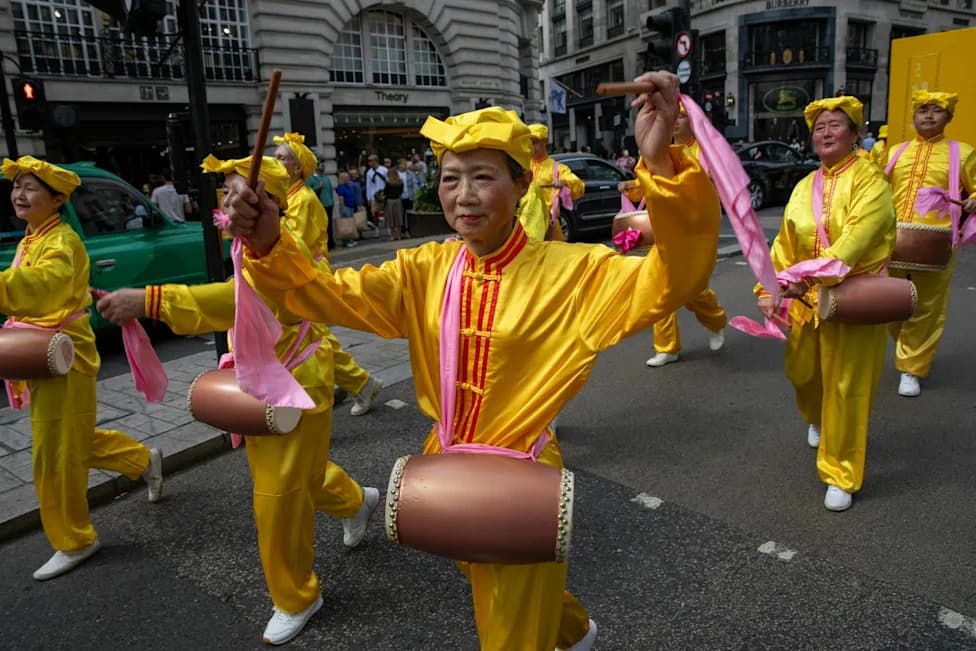
Falun Gong practitioners march in London, calling for an end to persecution by the Chinese Communist Party.James Willoughby/SOPA Images/LightRocket via Getty Images
On May 13, 2000, I joined Falun Gong practitioners at Chatter Park in Hong Kong as they marked World Falun Dafa Day, the anniversary the movement considers the public debut of its leader, Li Hongzhi. Under a hot midday sun and flanked by police and journalists, participants performed the five principal Falun Gong exercises to show the practice remained active despite being banned in mainland China.
Origins and Core Practices
Falun Gong (also Falun Dafa) was founded by Li Hongzhi in 1992 in Jilin province. The name is often translated as "Practice of the Law Wheel" or "The Great Law of the Law Wheel." It blends gentle, qigong-style exercises with moral and spiritual teachings centered on three core principles: truthfulness, benevolence and forbearance. Practitioners typically do the set exercises daily and gather to read Li's writings, watch recorded lectures and share personal experiences.
Beliefs and Social Appeal
Li presented Falun Gong as a path to improved health and spiritual clarity. He taught that many illnesses have moral or spiritual roots and that following the "law" of the universe could help people become healthier and more virtuous. Li framed modern society as spiritually polluted by greed, corruption and harmful habits. His emphasis on moral renewal resonated with many Chinese citizens during the 1990s, a period of rapid social and economic change.
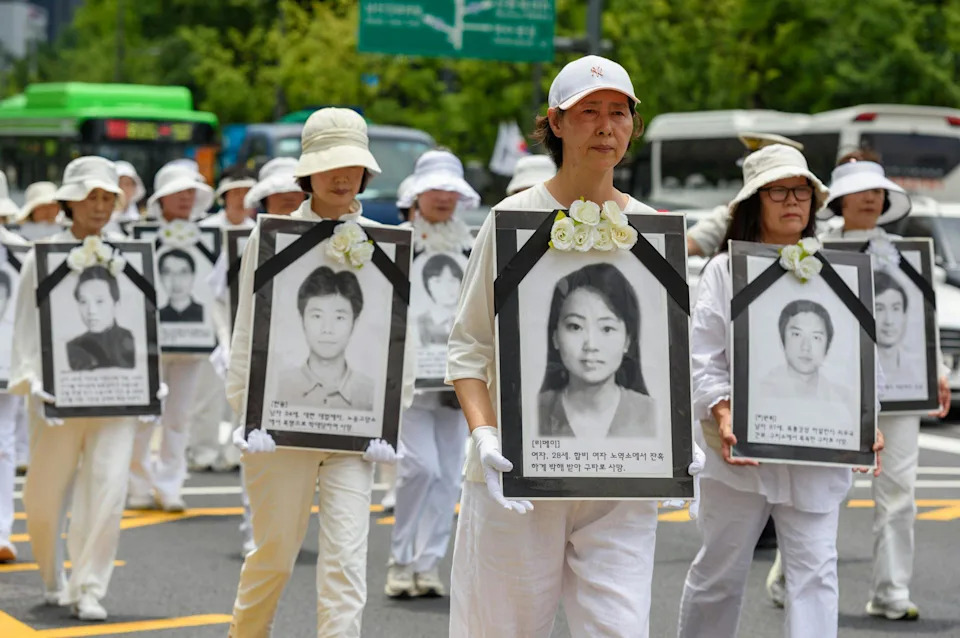
Falun Gong members hold a protest in Seoul, South Korea, in 2024 against what they said was the Chinese government's policy of harassment and torture of its members in China.Kim Jae-Hwan/SOPA Images/LightRocket via Getty Images)
Rapid Growth in the 1990s
During the 1990s Falun Gong expanded quickly and eclipsed many other qigong groups. Political scientists and observers estimated followers numbered in the tens of millions at the movement's peak. The exercises were accessible to a broad demographic, especially older adults, and the organization maintained cohesion through coordinated local contact people and regional organizers who could mobilize followers quickly, even before widespread internet use.
The 1999 Protest and Beijing's Response
In April 1999, more than 10,000 practitioners gathered in a mass petition outside government headquarters in Beijing seeking official recognition and legal space to practice. Alarmed by the movement's organizational capacity and the large, unregistered public assembly, Chinese authorities moved to suppress Falun Gong. In July 1999 the government formally banned Falun Gong and launched an extensive campaign of propaganda, legal action and administrative measures aimed at dismantling the movement.
Repression, Resistance, and International Activity
The state’s campaign included arrests, detention, job-loss threats for noncompliance, and allegations of torture for those involved in protests or in distributing materials. Activists outside China embraced nonviolent resistance: practitioners staged daily demonstrations near Chinese embassies and consulates, established media outlets such as The Epoch Times, and created cultural programs like the Shen Yun performing arts company to promote their message internationally.
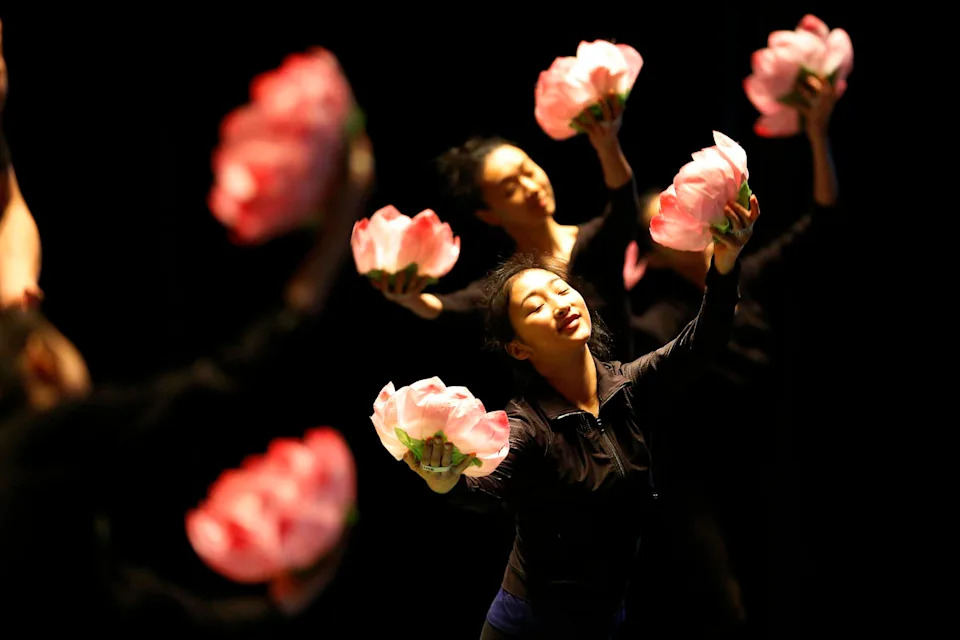
Members of Shen Yun, a Falun Gong dance and music company, rehearse at the Long Beach Performing Arts Center in Los Angeles in 2016.Rick Loomis/Los Angeles Times
Contested Allegations and Surveillance
Activists have accused Chinese authorities of severe human rights abuses, including claims that organs were harvested from imprisoned practitioners; the Chinese government denies these allegations. Authorities have also used extensive surveillance technologies to locate practitioners who defied the ban, including systems involving foreign-made components. Practitioners pursued legal action against technology firms (notably a case involving Cisco Systems) alleging that exported equipment aided repression; U.S. courts ultimately declined to adjudicate those claims.
Why the Chinese Government Targeted Falun Gong
Several factors help explain Beijing’s response: the movement’s large and rapidly organized membership, its independent organizational structure outside state control, its capacity to mobilize for public demonstrations, and its moral framing that cast the state itself as spiritually corrupt. These elements posed, in the party's view, a challenge to social order and to the Communist Party’s authority over civil society.
Legacy and Continued Visibility
What began as a largely domestic qigong movement became a globally visible and organized form of dissent. Despite repression, Falun Gong remains active internationally through daily public practices, legal advocacy, media initiatives and cultural performances that keep attention on both its spiritual teachings and the human rights concerns surrounding the Chinese government’s campaign against it.
Author: Gareth Fisher, Syracuse University. This article is adapted from reporting and field research on Falun Gong communities in the early 2000s.
Image notes: original coverage referenced Falun Gong protests in Seoul (2024) and a Shen Yun rehearsal in Los Angeles (2016), illustrating the movement’s continued international presence.
Help us improve.





















