BloombergNEF projects U.S. data centers could draw about 194 GW by 2035 — roughly 20% of national electricity use, up from 5.9% today. Rapid growth is driven mainly by AI and cloud computing and will be concentrated in states such as Virginia and Texas. Experts warn current utility cost-allocation rules can leave households paying for infrastructure upgrades, while the industry points to jobs and investment. Policymakers face pressure to revise who pays for new transmission and generation.
Data Centers Could Use 20% Of U.S. Power By 2035 — Who Will Pay?

Photo Credit: iStock
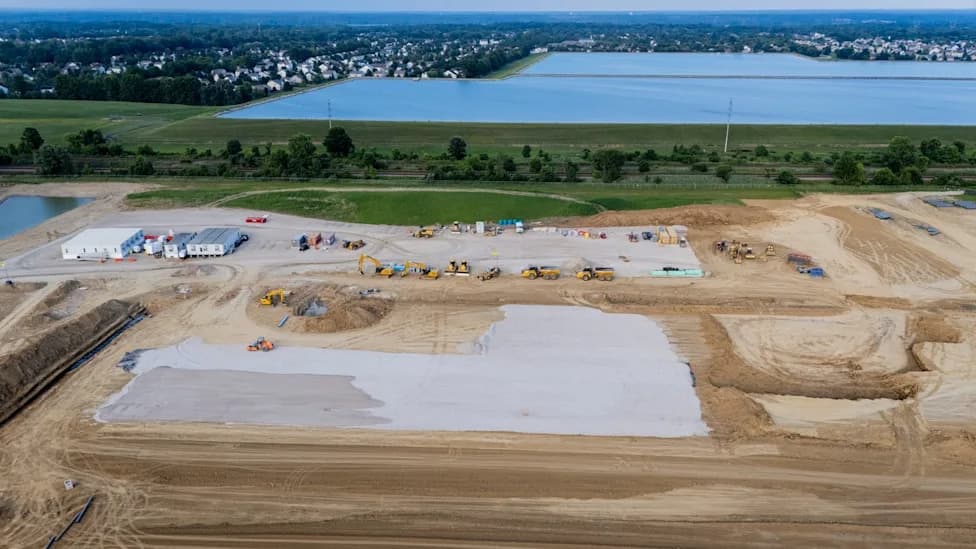
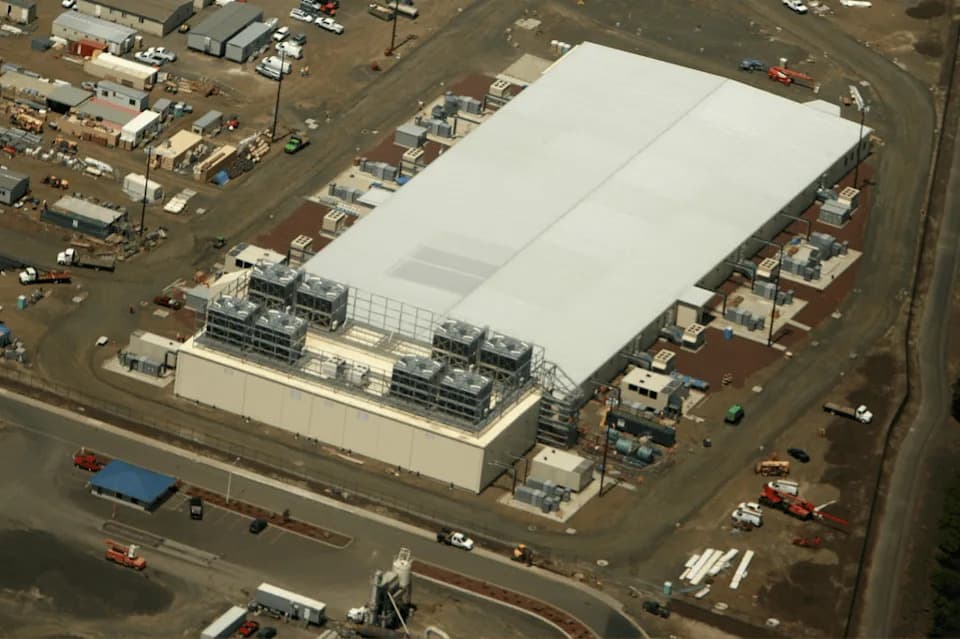
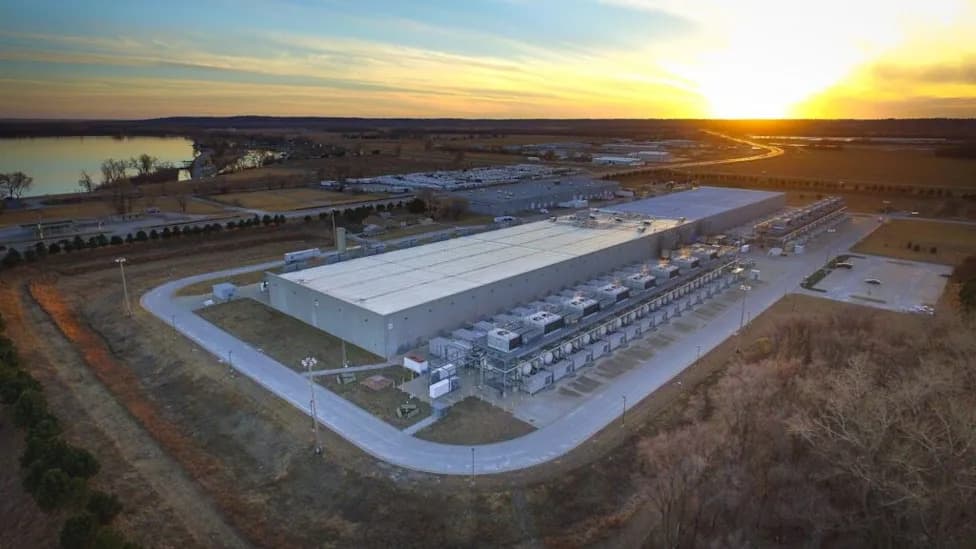
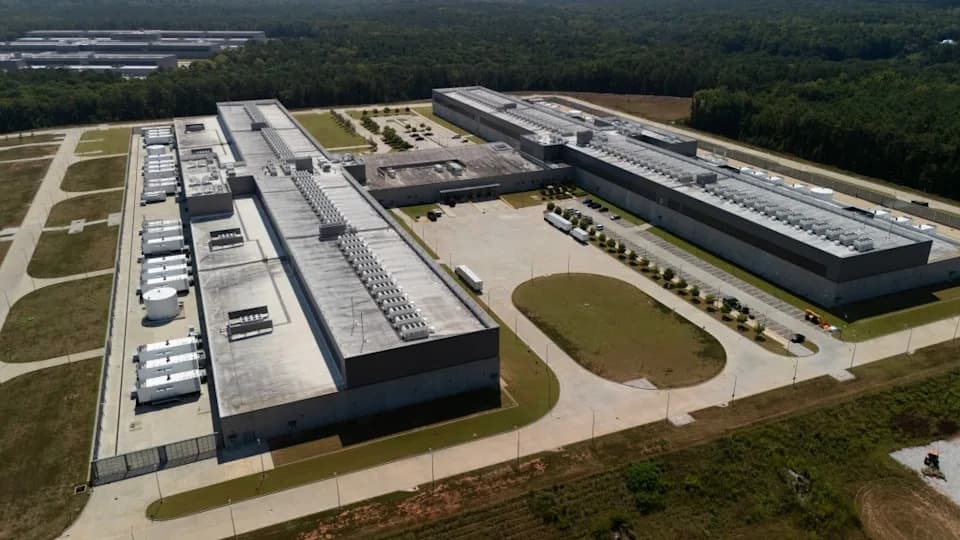
Rising U.S. electricity demand is poised to accelerate as a new wave of power-hungry data centers expands nationwide. BloombergNEF projects U.S. data centers could consume roughly 194 gigawatts by 2035 — about one-fifth of national electricity use — driven largely by artificial intelligence and cloud computing.
AI, Cloud Growth, And The Numbers
BloombergNEF’s analysis, cited by Newsweek, estimates data centers currently account for about 5.9% of U.S. electricity use, rising to ~12% by 2030 and approaching 20% by 2035. The 194 GW forecast is roughly equivalent to the output of some 200 conventional nuclear reactors. BloombergNEF analyst Lloyd Arnold summed up the trend:
"One unit of energy out of five" generated in the U.S. could go to data centers by 2035.
Where The Pressure Will Be Felt
The growth will be uneven geographically. States with large data-center footprints — particularly Virginia and Texas — are expected to see above-average increases in local electricity demand. When demand exceeds existing capacity, utilities typically add transmission lines, substations and generation, and those upgrade costs are frequently passed on to retail customers.
Who Pays For New Infrastructure?
That allocation of costs is at the heart of the debate. Ari Peskoe, director of Harvard Law School's Electricity Law Initiative, told Newsweek that current utility rules often do not require data-center operators to fully cover the infrastructure built to serve them:
"Regulators can and should fix the utility industry's methods for spreading infrastructure costs," Peskoe said.
Critics say this can leave households subsidizing upgrades that primarily serve large technology firms. The industry counters that data centers create jobs, tax revenue and investment, and that many new facilities negotiate dedicated power arrangements to limit strain on local grids.
Early Signs: PJM And Capacity Charges
One early indicator of strain appears in the PJM Interconnection region (serving about 67 million people across 13 states and D.C.). In July, PJM reported electricity demand growing faster than supply. Monitoring Analytics, PJM’s independent market monitor, found data-center-driven demand made up about $6.3 billion of $16.4 billion in capacity charges — a substantial share of the bill for keeping the grid reliable.
AI: Demand Driver — And Potential Helper
AI is pulling double duty: it increases electricity demand as data centers scale up, but it can also improve grid operations by helping utilities forecast demand, manage outages and better integrate variable renewables like wind and solar.
Policy Choices Ahead
As data-center construction and AI workloads expand, state regulators, grid operators and utilities will face tough choices about cost allocation and permitting. Options under discussion include changing how infrastructure costs are shared, allowing large customers to buy power directly from private suppliers in more states, and requiring data centers to contribute more to the costs of upgrades they drive.
Bottom line: Rapid data-center growth could reshape U.S. electricity demand and local bills. Policymakers must weigh the economic benefits of data-center investment against the need to keep electricity affordable for households.
Help us improve.