Face the Nation (July 26, 2026) examined the five-month U.S. conflict with Iran, new CBS polling showing two-thirds of Americans want the war to end, and rising concerns about public-health outbreaks. Guests debated diplomacy versus continued pressure: Ambassador Mike Waltz described active talks and retained military options, Senator John Kennedy favored sustained pressure short of ground invasion, and Senator Bernie Sanders urged negotiations to end the war. Former FDA commissioner Scott Gottlieb warned cyclospora is not yet fully contained and that measles cases are at multi-decade highs, criticizing federal communication. Poll director Anthony Salvanto said the public feels uncertain and underinformed about the war’s goals.
Face the Nation (July 26, 2026): Polls Show Public Wants an End to the Iran Conflict as Lawmakers and Health Officials Weigh In

Full transcript of "Face the Nation with Margaret Brennan," July 26, 2026
Face the Nation — July 26, 2026. Moderator: Margaret Brennan. Guests: Sen. Bernie Sanders (I-Vt.), Sen. John Kennedy (R-La.), U.S. Ambassador to the U.N. Mike Waltz, former FDA Commissioner Dr. Scott Gottlieb, and CBS polling director Anthony Salvanto.
Overview
As the U.S. conflict with Iran approaches the five-month mark, the July 26 broadcast examined rising public unease, ongoing diplomacy, congressional priorities ahead of the midterms, and urgent public-health concerns. CBS polling released with the program shows broad public uncertainty about the war’s trajectory and low approval of the president’s handling of it. The Pentagon has requested $67 billion in emergency funds to support operations and replenish munitions.
Key Poll Findings
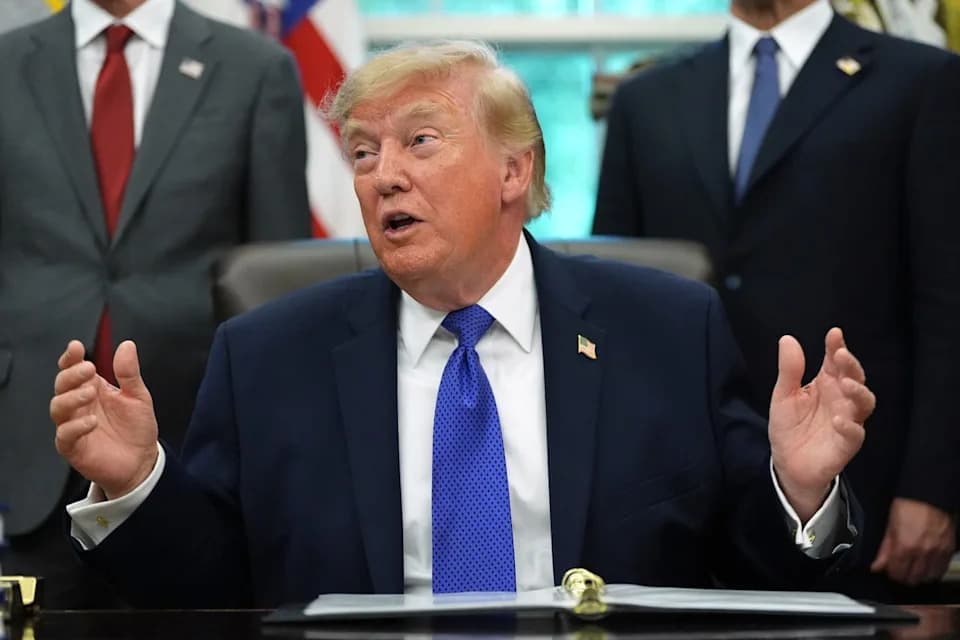
The new CBS poll highlighted these headline figures: roughly two-thirds of Americans want the U.S. to end the conflict with Iran now, only about one-third favor continuing until Iran concedes more, and 35% approve of President Trump's handling of the war. Many respondents feel uncertain and frustrated and say they lack a clear sense of the administration’s goals and day-to-day strategy.
Foreign Policy: Diplomacy, Pressure, and Military Options
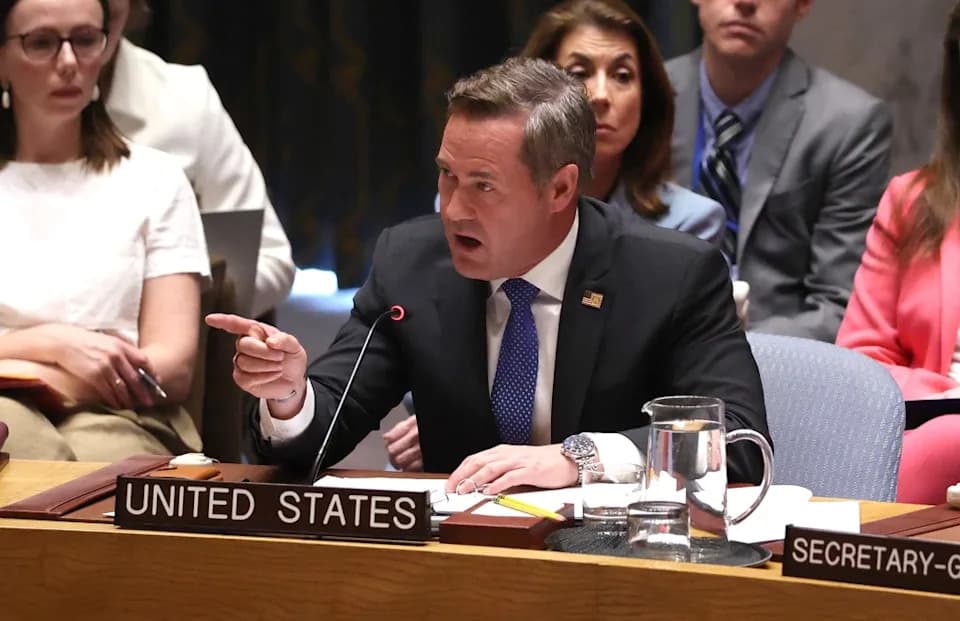
Ambassador Mike Waltz said diplomacy is being given space — including reported talks involving Oman about reopening the Strait of Hormuz — while stressing that the U.S. retains military options and continues to deploy assets to the region. He emphasized the administration’s objective to prevent Iran from obtaining a nuclear weapon and argued that past diplomatic approaches have failed to stop Tehran’s weapons ambitions.
Senator John Kennedy expressed skepticism about the timing of a U.S.-Saudi civil nuclear commercial agreement and cautioned that the world is on a "hair trigger" amid multiple global conflicts. He said he supports sustained pressure on Iran short of large-scale ground operations and called for clearer public messaging from defense leaders about objectives and strategy. Kennedy signaled he will seek classified briefings and emphasized a measured approach that could include tightening sanctions and maintaining a blockade.
Domestic Politics: Midterms, Messaging, and Election Reform
Senator Bernie Sanders
Both senators debated how to balance primary battles and party unity heading into the midterms, and Kennedy defended efforts to advance election-integrity measures such as the SAVE Act, framed as incentives and grants rather than mandates.
Public Health: Cyclospora, Measles, and Agency Communication
Dr. Scott Gottlieb
Gottlieb also warned that measles cases in 2026 are at their highest level in decades, with most cases among unvaccinated people or where vaccination status is unknown. He expressed skepticism that the current HHS messaging will lead to renewed national vaccination campaigns and cautioned that declining public confidence in agencies could exacerbate outbreaks.
On compounded peptides and other novel therapeutics, Gottlieb urged caution: several popular compounded peptides lack robust clinical evidence and pose safety risks when used without clear benefit.
Polling Insight
Anthony Salvanto
What to Watch
- Whether diplomacy around the Strait of Hormuz yields a durable pause or a formal agreement.
- How Congress responds to the Pentagon’s $67 billion emergency funding request and whether classified briefings change senators’ positions.
- Progress on public-health responses to cyclospora and measles and any shifts in federal vaccine messaging.
Host Close: The broadcast closed amid an atmosphere of public frustration and political uncertainty — with lawmakers and health experts offering distinct and at times divergent prescriptions for how the nation should proceed.
Help us improve.