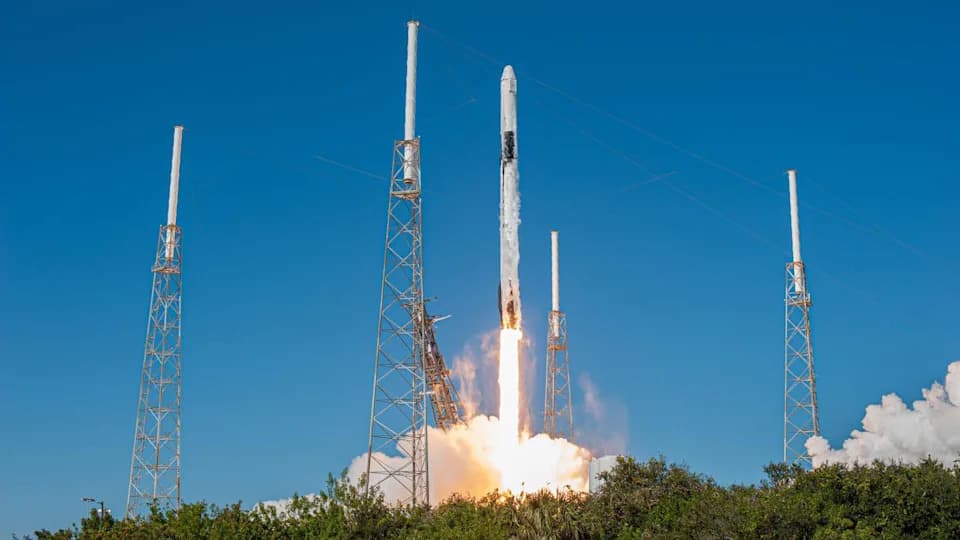
Vice President JD Vance expressed support for a multiplanetary future but warned that reduced gravity might affect DNA and human reproduction. Experts note he misstated Mars travel times — typical chemical-rocket missions are roughly six months each way with an ~18-month surface stay. Decades of ISS research show microgravity causes bone and muscle loss, and some studies suggest combined microgravity and radiation could damage DNA, though results remain mixed. The article urges expanded biomedical research, potentially on the Moon, before attempting permanent, multigenerational settlements on Mars.
JD Vance Raises Valid Questions About Human Survival and Reproduction on Mars

Vice President JD Vance recently appeared on the Joe Rogan podcast and praised the idea of humans becoming a multiplanetary species, saying he wants humanity to continue by settling other worlds. He also raised a caution: "When we're outside of the Earth's gravity, our genes — our actual DNA — seems to not function as well when it's not in Earth-style gravity."
What He Got Right — And Where He Misspoke
Vance correctly flags a real scientific concern: living off Earth presents unique biological challenges. He misstated typical Mars transit times, however. Aerospace engineers point out that, with current chemical rockets such as SpaceX's Starship, an optimal Mars transfer is roughly six months outbound, an ~18-month surface stay to wait for orbital alignment, and about six months back — not two years each way.
Why Gravity Matters
Space is an extremely hostile environment. Radiation, temperature extremes and the absence of breathable air can be managed with engineering solutions, but altered gravity remains a persistent biological problem. Decades of research on the International Space Station (ISS) show that microgravity causes steady bone density loss, muscle atrophy and fluid redistribution. NASA uses targeted exercise, nutrition and medication protocols to mitigate these effects.
DNA, Radiation and Uncertainties
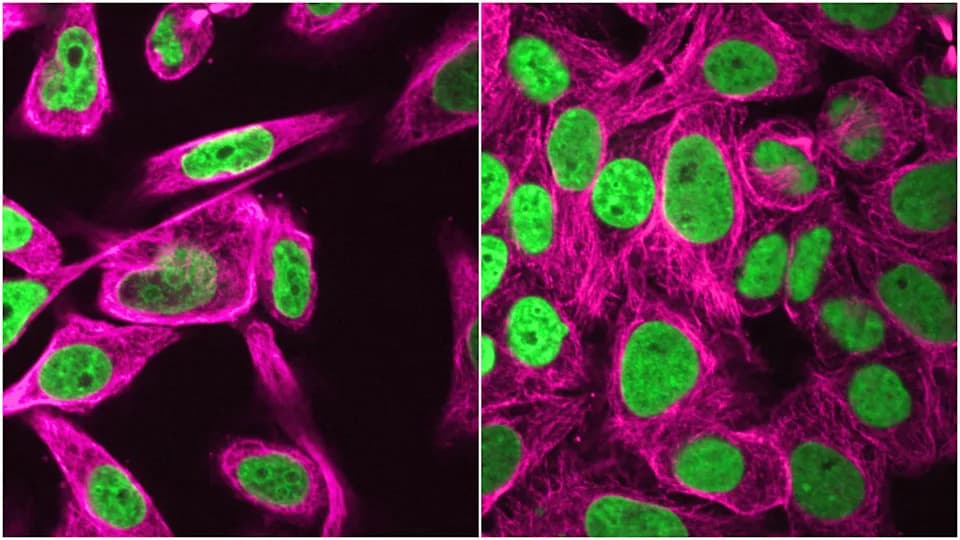
Some studies — including work published in Nature — suggest that space radiation combined with microgravity can increase cellular stress, DNA damage and potential cancer risk, but results are mixed and often inconclusive. Isolating the effects of low gravity itself (distinct from radiation or other stressors) remains difficult because human exposure to sustained partial gravity is limited.
Partial Gravity: The Unknown Middle Ground
Mars gravity is about 38% of Earth’s. Research from NASA Ames and other institutions indicates that partial gravity may not fully prevent the physiological declines seen in microgravity, but data are sparse. Human experience with reduced gravity beyond brief Apollo missions is limited to short durations, so long-term effects on growth, development and reproduction remain largely unknown.
Reproduction and Multigenerational Viability
For a self-sustaining colony, successful human reproduction and healthy development across generations are essential. National Geographic and other outlets have raised concerns that conception, pregnancy, fetal development and childhood growth in reduced gravity could present major medical challenges. These include altered fluid dynamics, skeletal development issues, and unknown genetic or epigenetic effects over lifespans.
Path Forward: Research Before Mass Settlement
The article argues — reasonably — that resolving biomedical questions should precede large-scale settlement efforts. The planned lunar base, with one-sixth Earth gravity, offers an accessible intermediate environment to extend ISS research. Animal studies and controlled experiments on the Moon, followed by long-duration studies in partial gravity analogs on Earth and in orbit, could help clarify risks and mitigation strategies before families commit to life on Mars.
Conclusion
Vance raises legitimate biological concerns about living off Earth, even if some technical details were misstated. The scientific community broadly agrees that while engineering can address many space hazards, the impacts of reduced gravity on DNA, development and reproduction require focused, long-term research. Solving those problems is a practical prerequisite for any plan to found a permanent, multigenerational human presence on Mars.
Mark R. Whittington writes frequently about space policy and is the author of several books on lunar and Mars exploration. He blogs at Curmudgeons Corner.
Help us improve.