Kazakh President Kassym-Jomart Tokayev proposed freezing the Russia‑Ukraine war and revisiting an "Istanbul formula 2.0" while speaking beside Vladimir Putin. Kazakhstan temporarily suspended CPC oil shipments after drone strikes blamed on Ukraine damaged tankers and the Novorossiysk marine terminal, forcing production cuts. The disruption threatens roughly 80% of Kazakh oil exports, risks state revenues, and could push Europe to seek costlier alternative routes. Diplomats and energy firms, including Chevron and U.S. officials, have reportedly engaged behind the scenes.
Drones Disrupt Kazakhstan Oil Exports as Tokayev Urges 'Freeze' on Russia‑Ukraine War
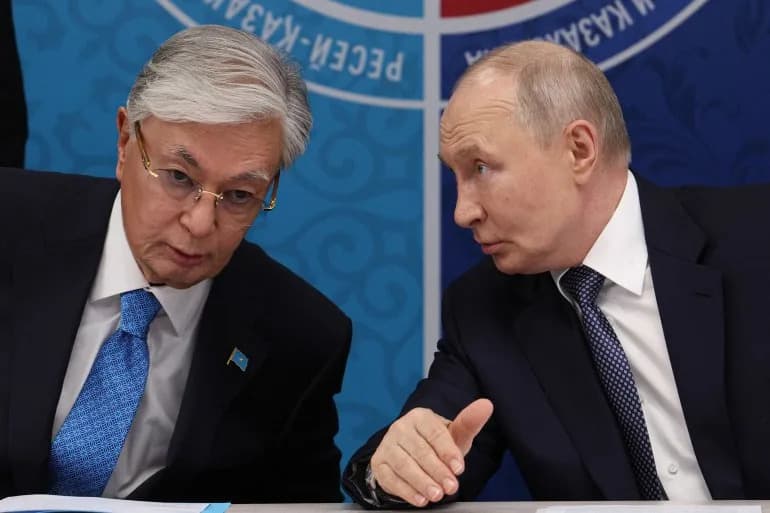
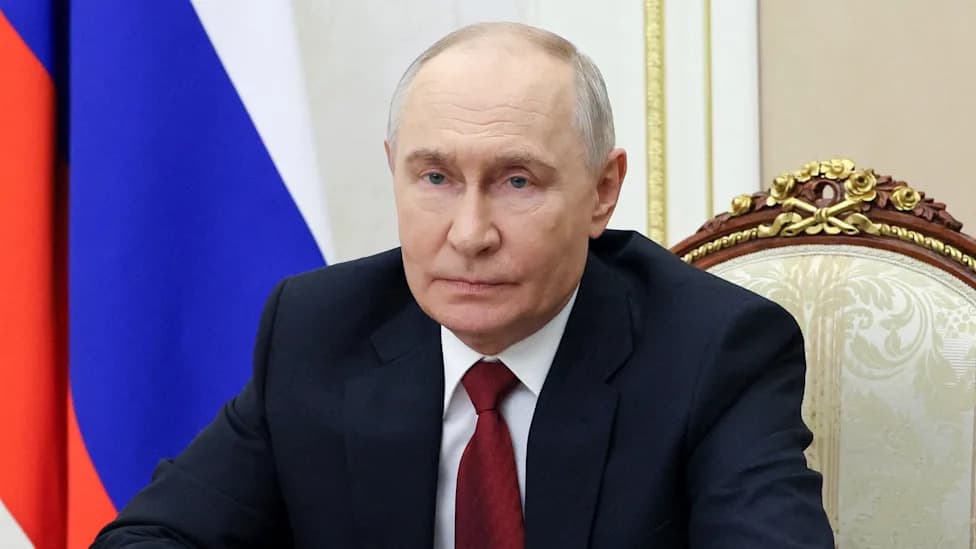
Kazakhstan's President Kassym-Jomart Tokayev. left, and Russian counterpartVladimir Putin speak at they attend the 22nd Russia-Kazakhstan Forum of Interregional Cooperation in Omsk on July 25 [AFP]
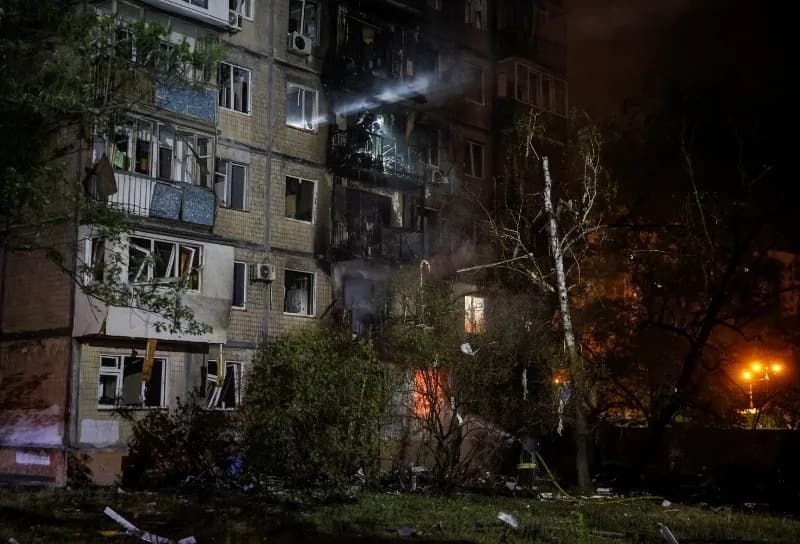
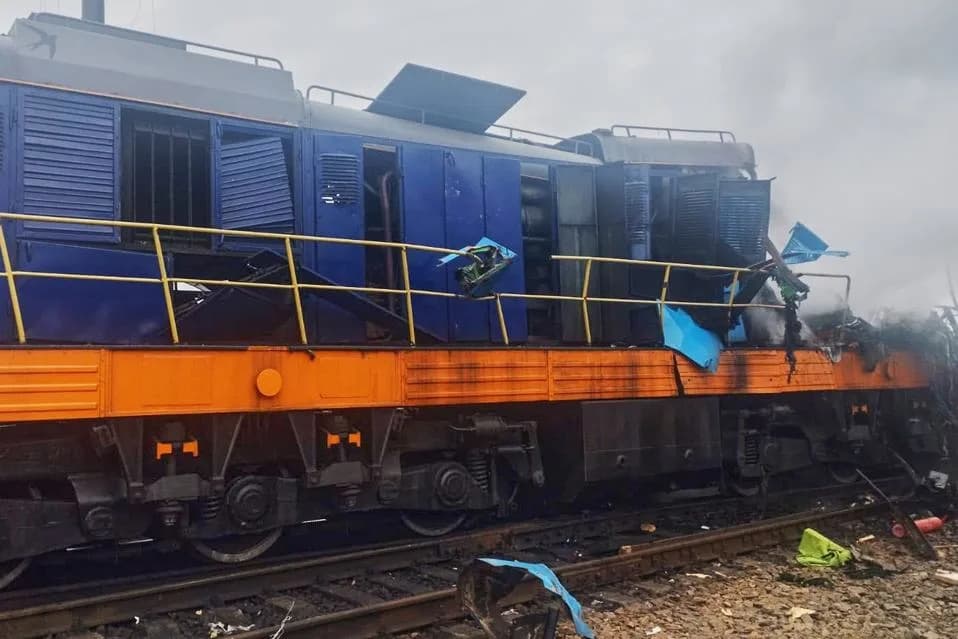
Kazakh President Kassym-Jomart Tokayev, speaking beside Russian President Vladimir Putin in Omsk, suggested a temporary freeze to the Russia‑Ukraine war and a return to an "Istanbul formula 2.0" for negotiations. His remarks come amid growing international concern after drone strikes blamed on Ukraine damaged tankers carrying Kazakhstan's CPC crude and hit the marine terminal at Novorossiysk, prompting a temporary suspension of oil shipments.
What Happened
Kazakhstan said it had cut oil production after attacks — which Astana attributes to Ukrainian strikes — damaged tankers loaded with CPC-grade crude and the Caspian Pipeline Consortium's (CPC) loading terminal in Novorossiysk. The CPC pipeline carries Kazakh crude roughly 1,500 km (932 miles) westward across the steppe to the Russian Black Sea port.
Why It Matters
CPC crude is a light but "sour" grade that many European refiners process. Kazakhstan's oil and gas sector accounts for about one-fifth of national GDP, and officials warn that roughly 80% of the country's oil exports are at risk while the terminal remains offline. The consortium said shipments would remain suspended until the situation "is normalised."
Regional And Global Impact
Novorossiysk has become both a refuge for parts of Russia's Black Sea Fleet and a focal point in Kyiv's campaign against Moscow's so-called "shadow fleet" — tankers and ships that continue to transport sanctioned Russian oil. Ukrainian attacks in recent weeks have struck nearly 200 vessels linked to that shadow fleet in the Sea of Azov and the Black Sea, according to reports.
"This is a direct strike on the economy and budget," said regional analyst Daniil Kislov, describing the impact on Kazakhstan's public finances.
Diplomatic Responses
Kazakhstan's Foreign Ministry called the strikes an "unacceptable encroachment" on its economic interests and warned they threaten international trade and energy market stability. Ukraine's ambassador in Astana urged caution, saying there was "no proof" the drones were Ukrainian and asked Kazakhstan not to make "hasty and ungrounded accusations."
European consumers are watching closely: Romania sources more than 60% of its crude from Kazakhstan and could see gasoline production fall by up to 15% if supplies remain disrupted, officials say. Analysts warn prolonged disruption could force costly rerouting of oil through an alternative pipeline across the Caspian to Azerbaijan, reducing Kazakh export revenues.
Behind The Scenes
The Wall Street Journal reported that Chevron's CEO raised the issue with White House officials, and an unnamed U.S. official said the U.S. administration warned Ukraine against attacking non-Russian ships in the Black Sea. Kyiv-based analysts suggested there may be informal diplomatic pressure to avoid actions that would further destabilize supplies tied to Western energy firms' investments.
As gas and food prices rise at home, many Kazakhs say the geopolitical fallout feels remote compared with daily economic hardship. "I don't care, because the money doesn't reach me anyway," said one Almaty bank clerk, echoing public frustration over rising living costs.
Outlook
Experts describe the situation as "uneasy and controversial." Short-term effects include reduced shipments and refinery adjustments in Europe; long-term risks include restructured trade routes, higher transportation costs, and diminished state revenues for Kazakhstan if the terminal remains closed or attacks continue.
Key takeaway: The incident highlights how the Russia‑Ukraine war's naval and aerial campaigns can ripple through global energy markets, touching producers and consumers well beyond the immediate battlefield.
Help us improve.