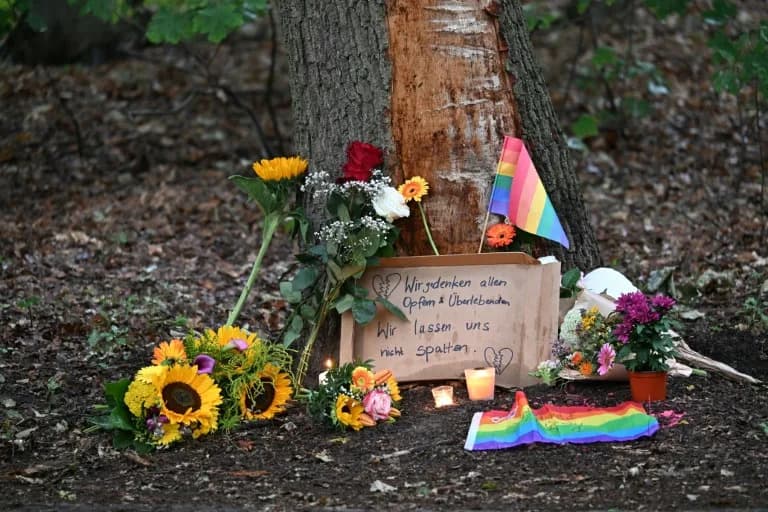
Saturday’s van attack at a Berlin Pride event joins a string of vehicle‑ramming incidents across Germany, from Christmas markets to carnival parades and pedestrian zones. Since 2018, similar attacks have killed more than 30 people. Motives range from Islamist and far‑right extremism to severe mental illness, complicating prevention and legal responses.
When Vehicles Become Weapons: Germany’s Troubling Pattern of Ramming Attacks
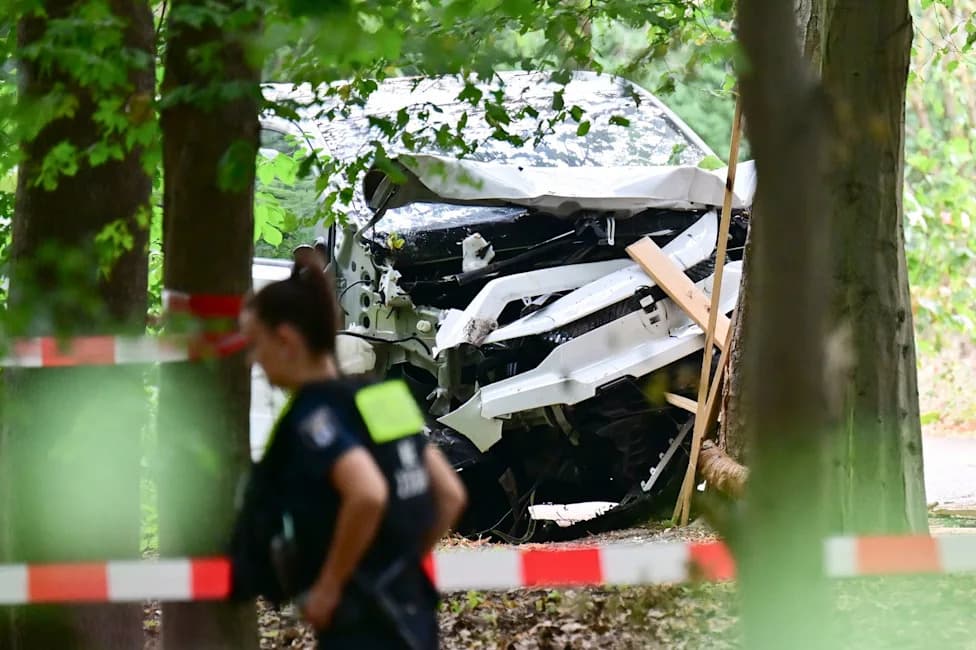
A police officer walks among the trees near the Tiergarten, passing a wrecked white vehicle that had crashed into a tree. On the sidelines of Christopher Street Day in Berlin, the vehicle had plowed into a crowd. One woman was killed and 16 other people were injured, some seriously. (is associated with: «When cars become weapons: Germany's troubled history with car rammings») Sebastian Gollnow/dpa
Saturday night’s van attack targeting a Pride event in Berlin is the latest in a disturbing series of incidents in Germany in which drivers have deliberately turned cars, vans or trucks into weapons against civilians. These attacks have taken place at Christmas markets, carnival parades, pedestrian zones and demonstrations — and the motives have spanned Islamist and far‑right extremism, individual vendettas and severe mental illness.
A Chronology Of Notable Attacks
Berlin, Christmas market — 19 December 2016: Twelve people were killed and dozens wounded when Tunisian attacker Anis Amri drove a stolen lorry into a busy market. Investigators say Amri had shot the Polish truck driver earlier, who later died and was counted as a 13th victim. Amri fled and was shot dead by Italian police days later. This remains Germany’s deadliest Islamist attack to date.
Magdeburg, Christmas market — 20 December 2024: Taleb Al‑Abdulmohsen used a powerful rental car to breach concrete barriers and plough into a crowded market. Five women and a nine‑year‑old boy were killed and hundreds injured. In June 2026 the 51‑year‑old, who had worked as a doctor in a secure psychiatric facility, was sentenced to life in prison after a court found his motives included revenge fantasies against Germany; a psychiatric expert diagnosed narcissistic personality disorder.
Trier, pedestrian zone — 1 December 2020: A 51‑year‑old man drove an SUV at high speed through a busy city‑centre pedestrian zone, deliberately targeting individuals and groups. Six people died, including a nine‑week‑old baby; more than 20 were injured. The court found the attacker suffered paranoid schizophrenia; he is detained in a psychiatric hospital.

Christmas market stalls stand behind a barrier at Magdeburg's Christmas market, where the previous evening, a driver rammed into a group of people. Several people were killed and injured in the attack. (is associated with: «When cars become weapons: Germany's troubled history with car rammings») Jan Woitas/dpa
Leipzig, city centre — 4 May 2026: A 33‑year‑old man drove a car into a crowd, killing two people. Investigators reported no political motive; the perpetrator was committed to psychiatric care.
Mannheim, Carnival — 3 March 2025: During Carnival a 40‑year‑old man drove into parade spectators. Two people were killed and several injured. Authorities reported no political or religious motive.
Munich, union demonstration — 13 February 2025: Farhad N., a 24‑year‑old Afghan national, deliberately steered his car into a Verdi trade‑union demonstration. A mother and her two‑year‑old daughter died and over 40 people were injured. Federal prosecutors are treating the case as Islamist terrorism; the trial began in January 2026.
Berlin (Kurfürstendamm) — June 2022: A 29‑year‑old German‑Armenian man drove his sister’s car into a group of visiting school pupils. A teacher was killed and several students injured. Prosecutors attributed the attack to mental illness; the driver was committed to psychiatric care.
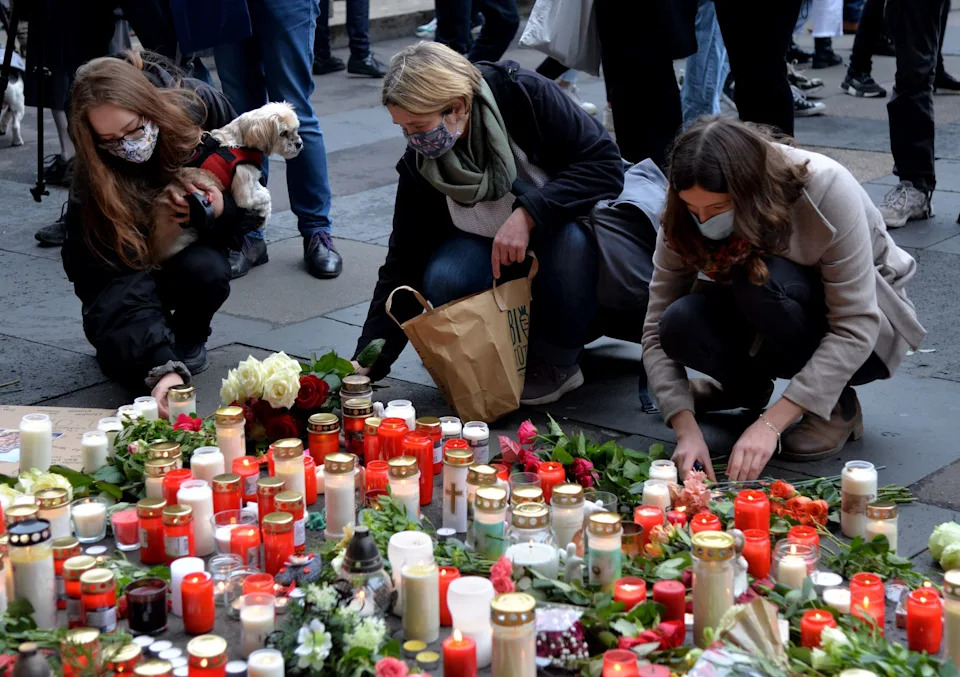
Mourners light candles at the Porta Nigra historical center a day after five people were killed and others injured after an SUV driver ran down people at a pedestrian area. (is associated with: «When cars become weapons: Germany's troubled history with car rammings») Harald Tittel/dpa
Witzenhausen, outside day‑care centre — October 2021: A 31‑year‑old man drove into a group of children; an eight‑year‑old girl later died. The attacker was found to suffer from paranoid schizophrenia and was detained in psychiatric care.
Volkmarsen, Carnival — February 2020: A 29‑year‑old man deliberately drove into parade spectators, injuring at least 88 people, including 26 children. The driver was sentenced to life in prison.
Bottrop and Essen — January 2019: A far‑right extremist drove his car into celebrants in two western cities, targeting people he believed to be foreigners. Fourteen people were injured; the attacker was committed to a secure psychiatric facility.
Münster, city centre — April 2018: A 48‑year‑old man drove a camper van into people outside a pub before shooting himself dead. Two people were killed and around 20 were injured. Police concluded the perpetrator was mentally unstable.
What These Cases Show
Between 2018 and the most recent Berlin Pride attack, more than 30 people have been killed in vehicle‑ramming incidents in Germany. The cases demonstrate a troubling pattern: vehicles are an accessible means to inflict large‑scale harm in crowded public spaces. Motives vary widely — Islamist and far‑right extremism, personal vendettas, and severe mental illness are all represented — which complicates prevention and response.
Authorities have responded with a mix of measures, including physical barriers at high‑risk events, increased surveillance and policing, mental‑health interventions, and terrorism prosecutions where applicable. Yet the recurrence of these attacks underscores ongoing challenges for public‑space safety, threat assessment and the intersection between criminal justice and psychiatric care.
Help us improve.