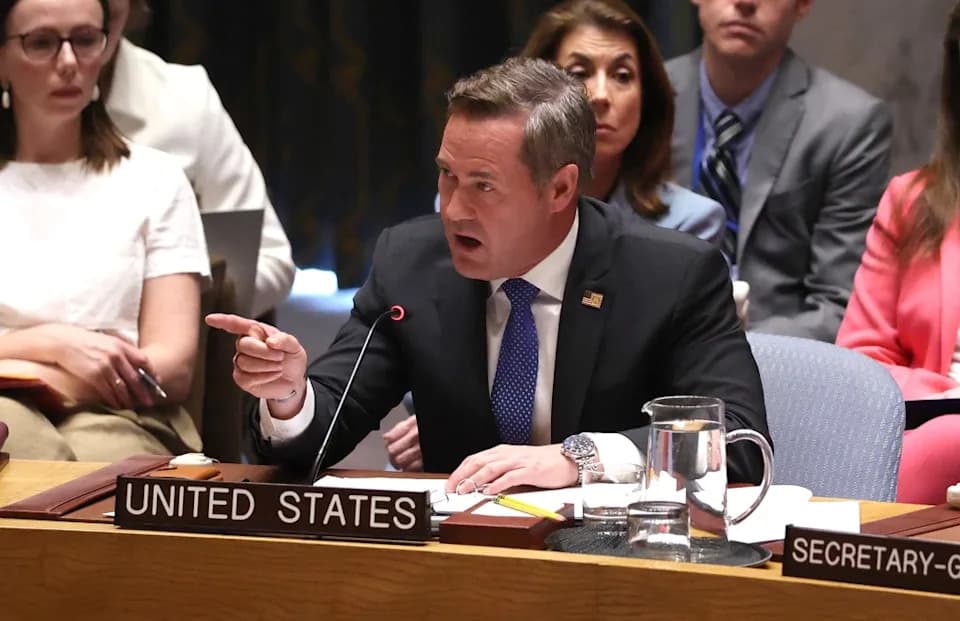
United Nations Ambassador Mike Waltz declined to set a timetable for the Iran conflict when NBC's Kristen Welker pressed him on whether it would end by the new year or in 2026. Waltz praised U.S. operations as "phenomenally successful" but repeatedly refused to provide a calendar-based answer, saying he would not "put some kind of timeline on it." He argued the U.S. is negotiating from a position of strength after regional diplomatic shifts and reiterated that the president has "all options on the table." A recent poll found roughly 67% of Americans want the fighting to stop immediately.
UN Ambassador Refuses To Promise Iran Conflict Will End In 2026, Declines To Set A Timeline
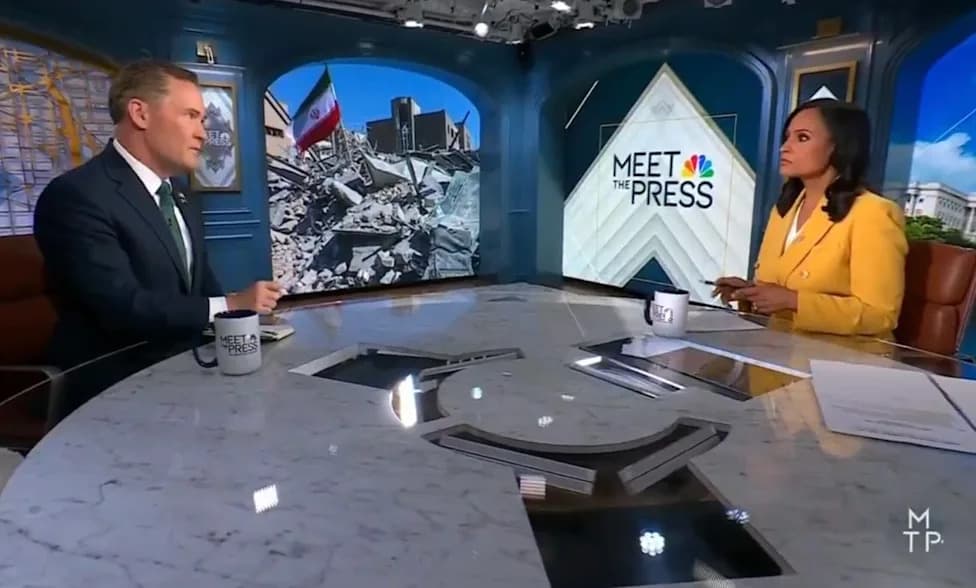
Trump’s UN Ambassador Won’t Commit to Iran War Ending in 2026 — When Pressed By NBC’s Welker: Not Going to Put a ‘Timeline’ On it
United Nations Ambassador Mike Waltz declined to offer a timetable for when the Iran conflict might end during a tense interview on NBC's Meet the Press with Kristen Welker. Pressed repeatedly on whether the war would conclude by the new year or in 2026, Waltz refused to commit to a specific date while defending the administration's conduct of the campaign.
Welker reminded Waltz that former President Trump had initially suggested the confrontation would last "a matter of weeks, five to six weeks," while the fighting has since stretched to months. When asked bluntly, "Will this war be over by the new year?" Waltz skirted a calendar-based answer and instead placed the confrontation in historical context.
"Well, first, this war has been going on for 47 years," Waltz said, noting long-running tensions between the United States and Iran. He added that past incidents, including footage he described from the Obama era showing seized sailors, illustrate the broader history of confrontation.
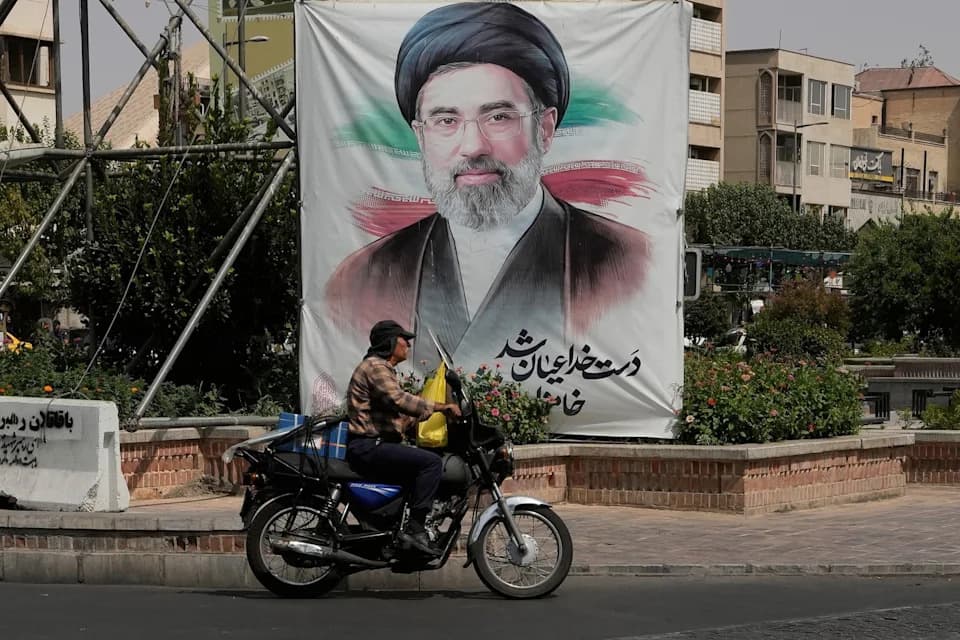
Waltz framed recent regional developments as evidence the U.S. is negotiating from a position of strength. He cited ongoing diplomatic talks involving Lebanon, what he described as positive movement in Syria, a visit by the Iraqi foreign minister to the Oval Office followed by oil deals in Houston, and closer alignment with Gulf Arab states. He claimed Iran is "diplomatically isolated, economically isolated, and militarily devastated."
When Welker pressed again — "Do you anticipate this conflict will be concluded by the new year?" — Waltz reiterated: "I'm not going to put some kind of timeline on it." He added that the president is exercising diplomatic, economic and military options "to achieve a very clear strategic aim" and contrasted the current approach with what he characterized as earlier "policy drift."
On the possibility of additional U.S. casualties, Welker asked whether Americans should brace for more lives to be lost. Waltz responded that service members understand the risks when they enlist and expressed sympathy for families who receive tragic news. "Every man and woman who signs up, as I have and so many others, to go serve knows of that eventual possibility," he said, adding his gratitude for a president who has declared, "Enough is enough."
The remarks came as a recent poll released Sunday showed strong public desire for an end to the fighting: roughly two-thirds of respondents said they want the conflict to stop immediately. The exchange underscores persistent questions about aims, timelines and the human cost of the campaign as diplomatic and military efforts continue.
Help us improve.