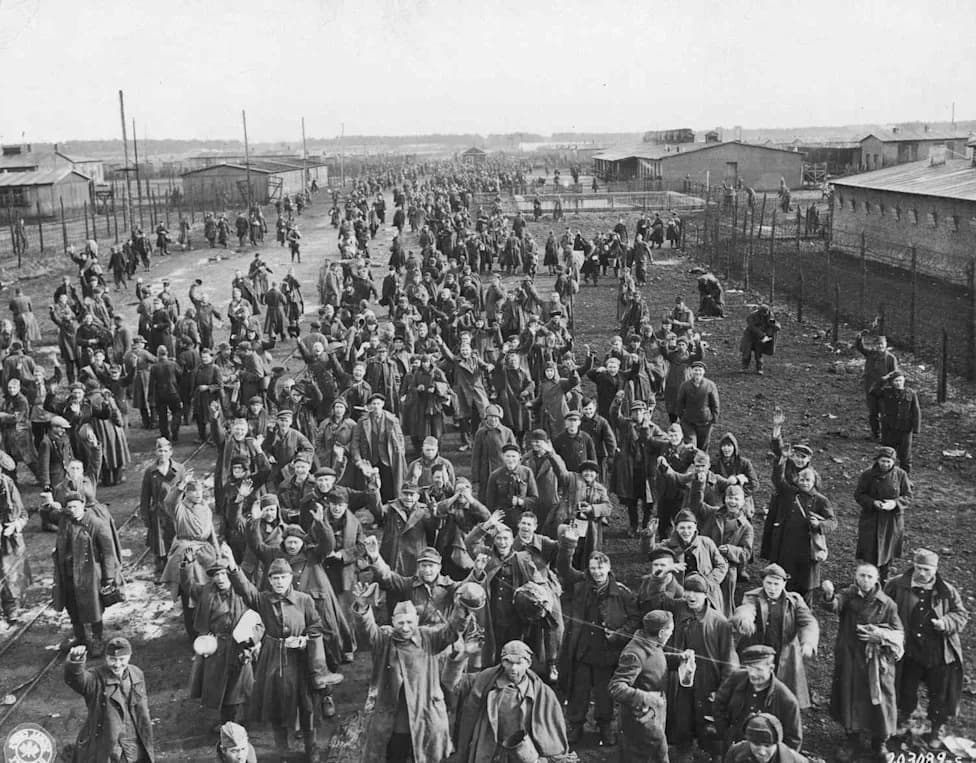
Braunau am Inn has repurposed the 17th-century house where Adolf Hitler was born into a police station as part of a deliberate policy of 'neutralisation' — reusing the building for a mundane civic purpose instead of demolishing it or creating a memorial. Authorities argue the police presence and surveillance deter far-right pilgrimage, while a Mauthausen memorial stone remains outside to preserve memory. The case highlights the wider, unresolved question of how societies should manage sites connected to historical atrocities.
Braunau’s Dilemma: Turning Hitler’s Birthplace Into A Police Station — Neutralisation Or Erasure?
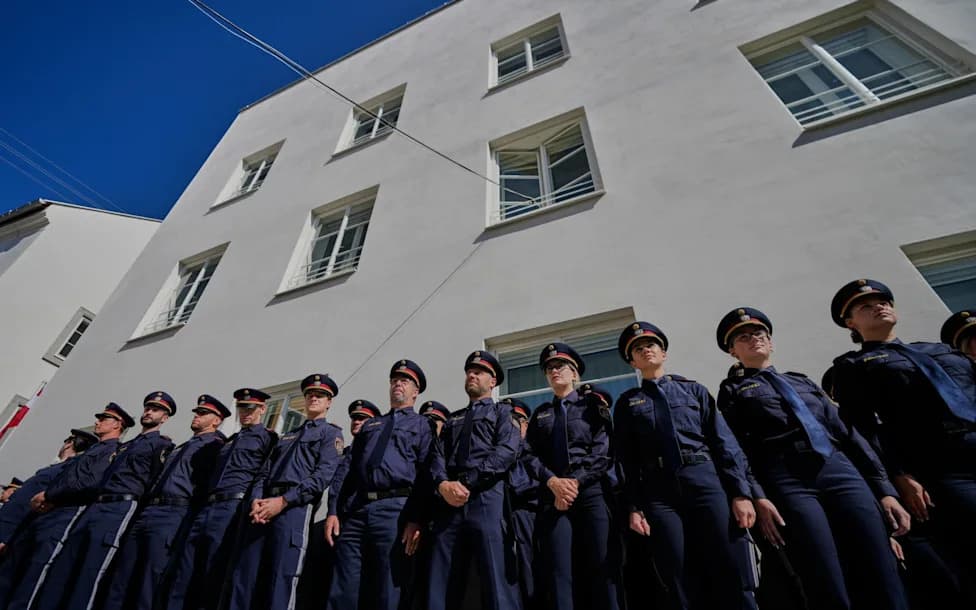
Austrian police officers stand guard outside Hitler's birthplace - now their new headquarters - Matthias Schrader/AP
Braunau am Inn did not choose to be the place where Adolf Hitler was born, yet the small Austrian town on the German border remains forever linked to that grim origin. The debate over what to do with the house at Salzburger Vorstadt 15 has persisted for decades; on Wednesday the building was repurposed as a police station in a bid to 'neutralise' its symbolism rather than demolish it or turn it into a shrine.
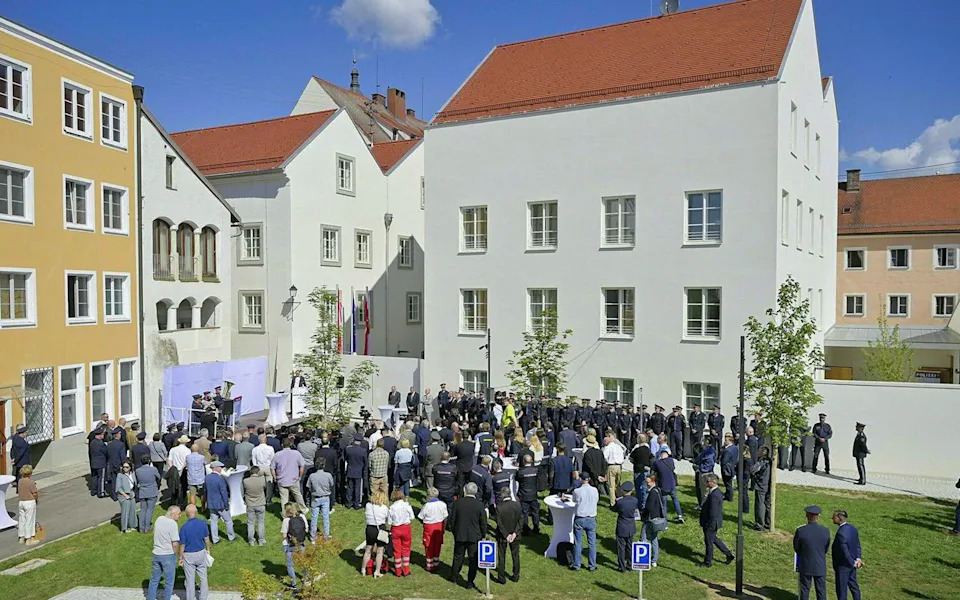
The former coaching inn has served previously as a library, a school and a workshop for people with disabilities - MANFRED FESL/AFP
Background
The unassuming 17th-century house has served many civic roles over the years — a coaching inn, library, school and a workshop for people with disabilities. The Hitler family lived there only briefly: Adolf was born in the house and the family moved three months later, leaving Braunau three years after his birth. Yet the connection has cast a long shadow over a town of about 17,500 residents.
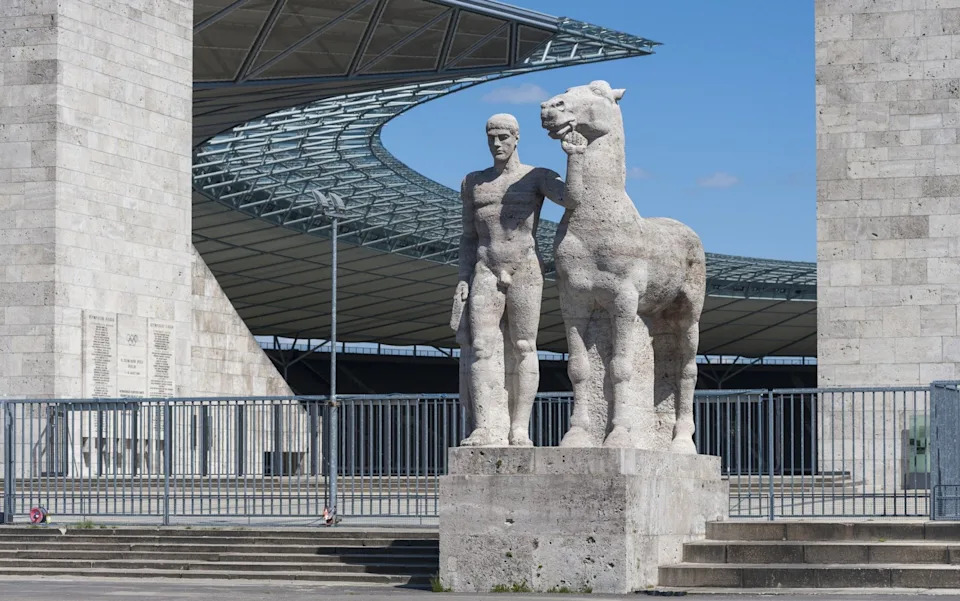
The image of the stadium that hosted the notorious 1936 Summer Olympics has been refashioned by more recent sporting highlights - Hwo/imageBROKER/Shutterstock/Shutterstock
The Decision To 'Neutralise'
Local leaders and an expert commission advocated a policy of neutralisation: reassign the building to a mundane civic purpose that undermines any potential for it to become an object of veneration. Converting the house into a police headquarters is intended to reframe the site as a place of public order and democratic values. Austrian Interior Minister Gerhard Karner described the police as 'the opposite of the darkest times of our history' and called for the building to stand for 'democracy, the rule of law, security, freedom and human dignity.'
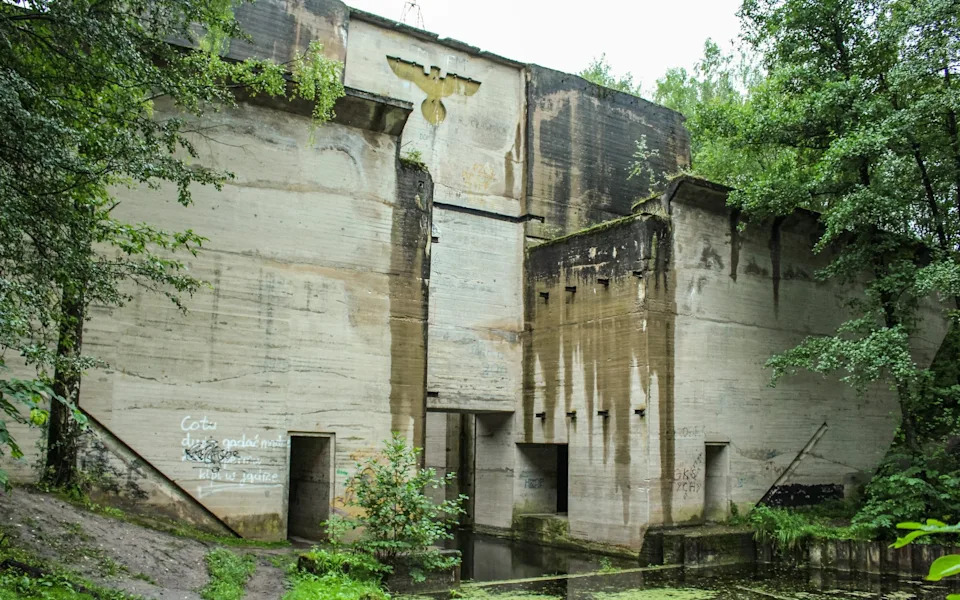
The Wolf's Lair, Hitler's Eastern Front military headquarters in Poland, has been turned into a popular tourist attraction - NurPhoto/NurPhoto
Security And The Risk Of Pilgrimage
Authorities explicitly weighed the risk that memorials or museums can attract far-right sympathisers. Austrian press accounts have described how the house drew wreaths and flowers on Hitler’s birthday, April 20, prompting fears of 'brown pilgrims.' In that context, a functioning police station — with routine surveillance and guards — is seen by some as a practical deterrent.
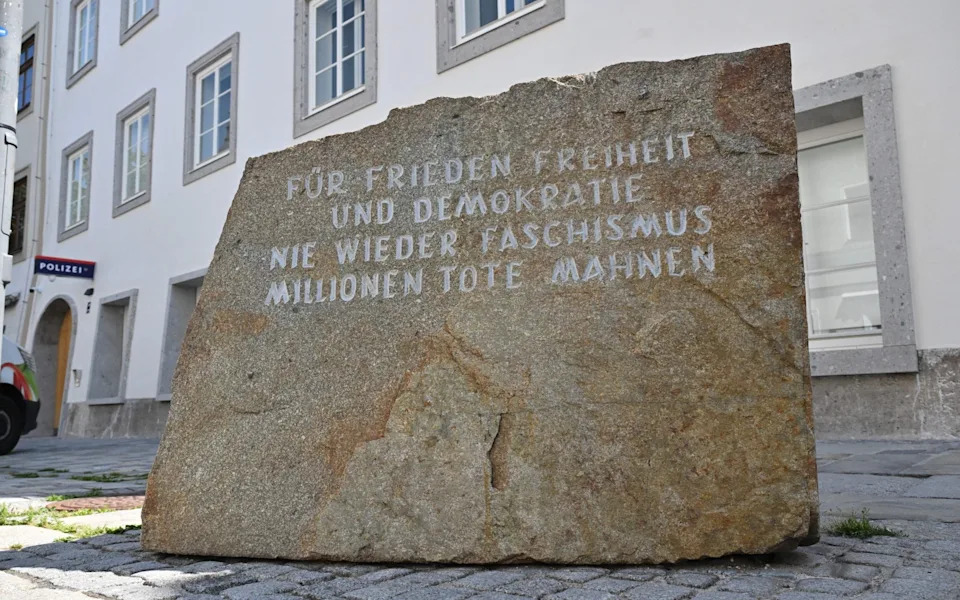
The stone outside Hitler's birthplace reads: reads: 'For peace, freedom and democracy. Never again fascism. The millions of dead remind us.' - KERSTIN JOENSSON/AFP
Comparative Responses
There is no single model for dealing with sites tied to atrocities. Germany provides varied examples of reuse and memorialisation: the Berlin Olympic Stadium has been modernised and repurposed for sport while retaining elements that acknowledge 1936's propaganda legacy; the former aviation ministry built for Hermann Göring was reused by successive governments and now houses the finance ministry; the Führerbunker was deliberately obscured and partially demolished to prevent pilgrimage; and the Wolf's Lair in Poland has become a large tourist site. Some places, such as Hitler's Berghof, were demolished entirely.
The Memorial Stone
Braunau's compromise includes a memorial stone placed before the police station. Sourced from the quarry of the former Mauthausen concentration camp and placed in Braunau in 1989, the plaque deliberately avoids naming Hitler and reads: 'For peace, freedom and democracy. Never again fascism. The millions of dead remind us.' The Interior Ministry proposed moving the stone to a museum in Vienna, but campaigners resisted, arguing that removing it would erase public memory.
Voices From Braunau
Many residents want to 'move on' without being defined solely by history they did not choose. Georg Wojak, Braunau's then district governor, reflected a common sentiment when he said: 'This is where baby Adolf was born. Innocent, as all children are.' Activists such as Florian Kotanko pressed to keep the memorial visible, asserting that leaving the stone in place prevents historical erasure. Other residents worry the compromise will not fully resolve the town's association with Hitler.
Conclusion
Braunau's decision to repurpose Hitler's birthplace as a police station while retaining a Mauthausen stone is an uneasy middle way that illustrates a larger dilemma: how to remember and deter without creating pilgrimage sites for extremists or allowing history to be erased. The solution adopted here may satisfy some and anger others. Ultimately, future generations will continue to negotiate the site's meaning — and there is unlikely to be a universally accepted final chapter.
Help us improve.