In a July 15 court filing, the Department of Energy said it recommended canceling hundreds of clean-energy grants because the projects were located in states that voted for Kamala Harris in 2024. The Office of Management and Budget rescinded 284 grants in October 2025. The disclosure, part of a class-action suit by University of California researchers, intensifies accusations that the administration used federal funding as a partisan tool. Legal challenges are pending.
DOE Tells Court 284 Clean-Energy Grants Were Canceled Because They Were In States That Voted for Kamala Harris
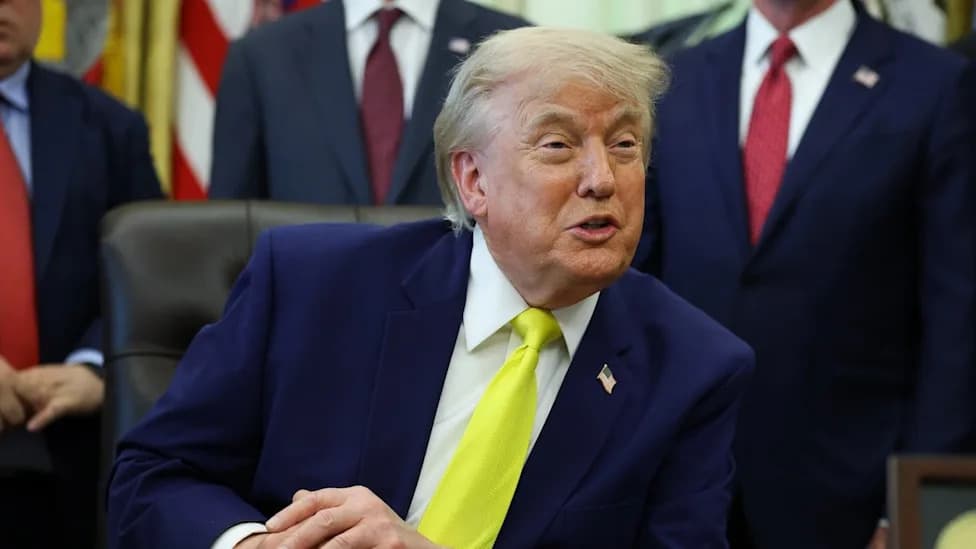
WASHINGTON, DC - JUNE 04: U.S. President Donald Trump speaks during a "Beautiful, Clean Coal" event in the Oval Office of the White House on June 04, 2026 in Washington, DC. President Trump is expected to announce a $700 million investment in funding for coal plants and energy infrastructure. (Photo by Kevin Dietsch/Getty Images)
The Department of Energy told a federal court that it recommended canceling hundreds of clean-energy grants because the projects were located in states that voted for former vice president Kamala Harris in the 2024 election. The Office of Management and Budget later rescinded 284 of those grants in October 2025, according to a July 15 court filing tied to an ongoing class-action lawsuit.
The July 15 filing says DOE advised terminating more than 600 grants awarded in states that backed Harris and are represented by two Democratic senators. The Office of Management and Budget acted on a subset of those recommendations, canceling 284 grants in October 2025.
In the filing, DOE lawyers acknowledged that the grants included in the October cancellations were chosen 'solely on the political identity of the grant recipient's state,' distinguishing between projects in 'Blue States' and 'non-Blue States.' Jeff Novak, an attorney representing DOE, wrote that the department 'accepts that the inclusion of grants in the October notice tranche was based solely on the political identity of the grant recipient's state.'
A group of University of California researchers filed the class-action suit, arguing the administration unlawfully targeted federal awards for partisan reasons. The New York Times first reported details of the court filing.
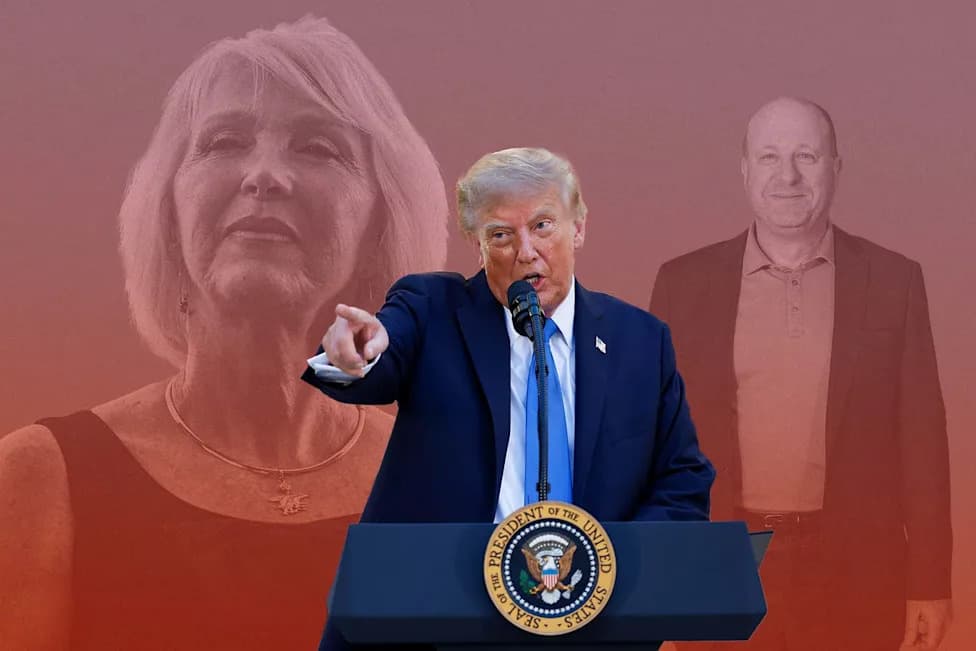
Sen. Patty Murray (D-Wash.) and Rep. Marcy Kaptur (D-Ohio) said the action amounted to an abuse of power, charging that the administration 'terminated nearly 300 cost-cutting energy projects for no reason other than the fact that the states they were in did not vote for the president in the 2024 election' and that it 'punished hard-working families because of their political views.'
The disclosure deepens scrutiny of the Trump administration's second-term approach to federal spending. Since taking office in January 2025, the administration has pursued changes to how federal funds are allocated. Earlier actions that prompted controversy include an attempt to freeze roughly $10 billion in social-services funding for five Democratic-led states and delays in distributing disaster aid; FEMA released more than $5 billion in delayed disaster assistance in February 2025 but excluded several Democratic-led states where the president had publicly clashed with governors. The Department of Homeland Security has denied political considerations drove its decisions.
The class-action lawsuit remains pending. The court must now decide whether the cancellations violated federal laws and statutes that bar political discrimination in the distribution of federal funds. Legal challenges from civil-rights groups and affected states may shape how federal grantmaking rules are enforced going forward.
What Happens Next
Court proceedings will address whether the DOE and the Office of Management and Budget unlawfully used partisan criteria in selecting grants for cancellation. If the plaintiffs succeed, the case could prompt changes in federal grant oversight and guardrails against political discrimination in funding decisions.
Help us improve.