UNESCO's World Heritage Committee in Busan inscribed several sites including France's Normandy D-Day beaches and Greece's Mount Olympus, alongside Japan's Asuka-Fujiwara archaeological sites and South Sudan's Boma-Badingilo Migratory Landscape. The designations recognize major historical events, ancient cultural centers and one of the largest land-mammal migrations. Experts urged stronger conservation measures to address threats from tourism, climate change and nearby development.
UNESCO Inscribes Normandy D-Day Beaches, Mount Olympus and Other Sites on World Heritage List
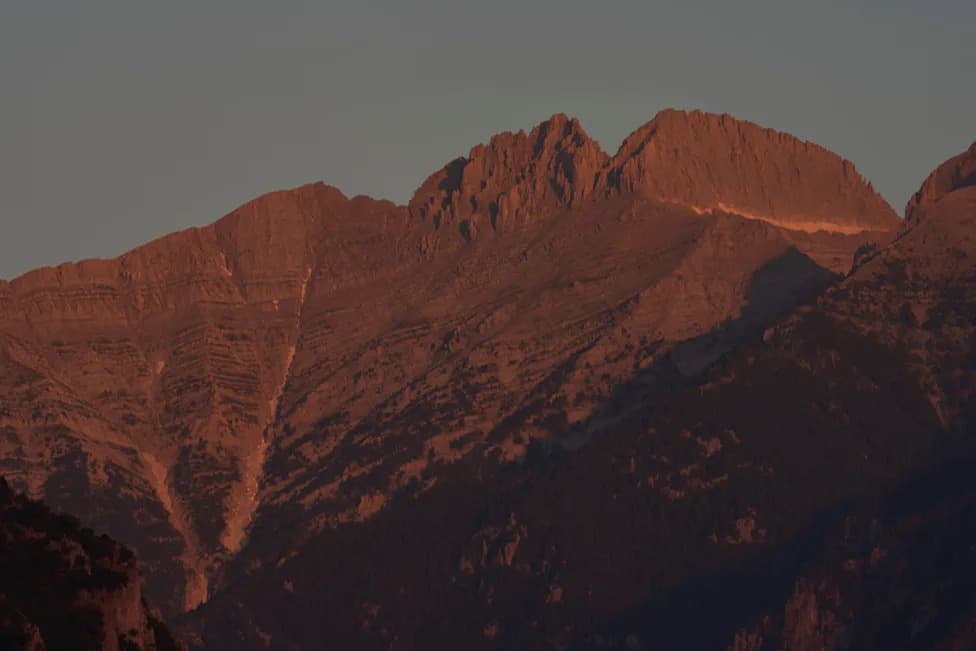
The morning light shines on Mytikas, Greece's highest peak, center left, and Stefani, known as the Throne of Zeus, center right, atop Mount Olympus seen from the outskirts of Litochoro in northern Greece, Wednesday, July 15, 2026. (AP Photo/Petros Giannakouris)(AP Photo/Petros Giannakouris)
UNESCO's World Heritage Committee meeting in Busan, South Korea, has added several high-profile sites to the World Heritage List, including France's Normandy D-Day landing beaches and Greece's Mount Olympus. The committee also approved Japan's Asuka-Fujiwara archaeological ensemble and South Sudan's Boma-Badingilo Migratory Landscape.
Key Inscriptions
Normandy D-Day Beaches (France) — The French inscription covers the five Normandy landing beaches (Omaha, Utah, Sword, Gold and Juno) and the Pointe du Hoc assault site. More than 150,000 Allied troops came ashore on June 6, 1944, in operations central to the campaign to liberate Western Europe from Nazi occupation. The International Council on Monuments and Sites (ICOMOS) noted extensive physical remains at these locations, including German fortifications, bomb-scarred terrain, Allied harbor works and sunken vessels that mark a turning point in 20th-century history.
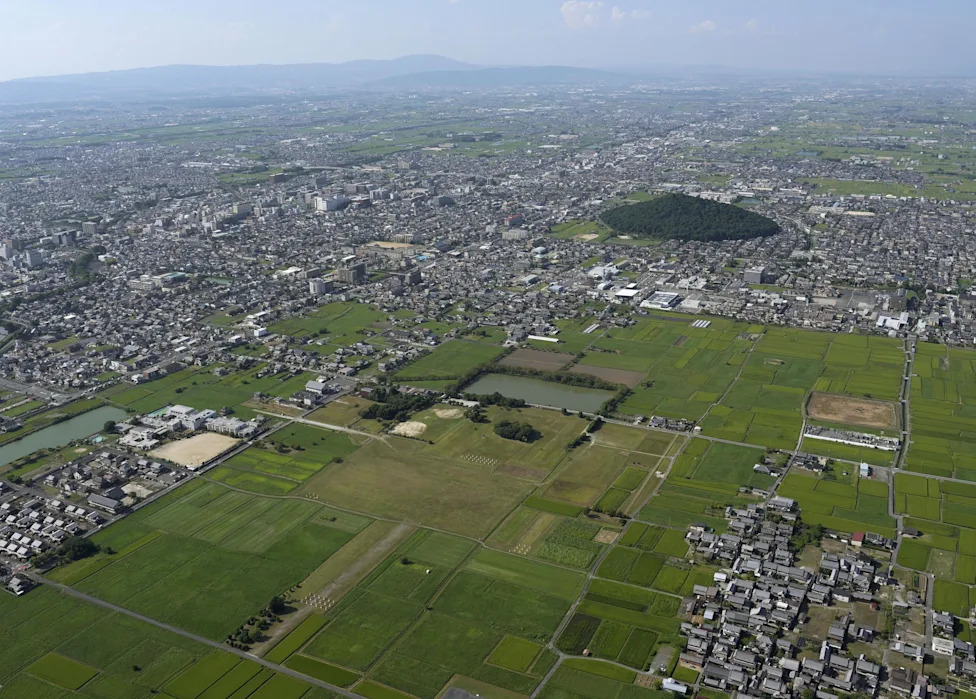
This shows Fujiwara Palace Ruins, foreground, with Mr. Miminashi, background, in Kashihara, Nara prefecture, western Japan, on Sept. 9, 2024. (Kyodo News via AP)(undefined/Kyodo News via AP)
"It's probably the greatest amphibious landing there's ever been. It ought to be remembered for that alone," historian David Edgerton told The Associated Press.
ICOMOS urged enhanced monitoring and preservation measures, warning that tourism, climate change and rising sea levels, along with proposed nearby wind-farm development, could threaten the integrity of the sites.
Mount Olympus (Greece) — Inscribed as a mixed cultural and natural site after a 12-year nomination effort, Mount Olympus rises to 2,918 meters (9,573 feet). Celebrated in ancient Greek mythology as the home of the 12 Olympian gods, the mountain is also noted for its rich biodiversity. Local officials said World Heritage status increases obligations to protect the mountain and manage potential tourist pressure.
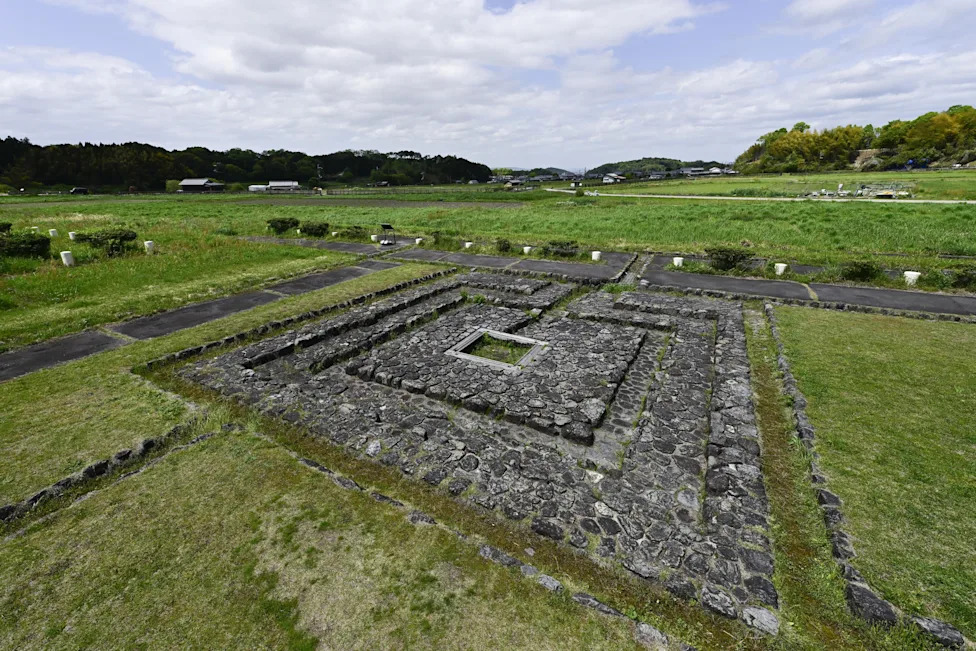
This shows Asuka Palace Ruins in Asuka village, Nara prefecture, western Japan, on April 20, 2026. (Kyodo News via AP)(undefined/Kyodo News via AP)
Asuka-Fujiwara (Japan) — The designation recognizes 19 archaeological sites in Nara prefecture associated with Japan's 6th–8th century capitals. These largely buried remains of palaces, government offices, Buddhist temples and tombs document the formation of Japan's early centralized state, shaped in part by influences from China and the Korean Peninsula. Japanese officials welcomed the inscription and expressed hopes it will encourage conservation and sustainable cultural tourism.
Boma-Badingilo Migratory Landscape (South Sudan) — South Sudan's first-ever World Heritage inscription covers extensive wetlands, floodplains and savannas where an estimated six million white-eared kob, tiang and Mongalla gazelles undertake one of the world's largest terrestrial migrations. The area also supports elephants, lions, cheetahs and local communities that rely on seasonal herding, farming and fishing.
Conservation and Next Steps
Across the newly inscribed sites, UNESCO and heritage experts emphasized the need for rigorous conservation plans, improved monitoring and community engagement to balance protection with sustainable tourism and development. The committee's decisions in Busan reflect both the historical and ecological importance of these places and the contemporary threats they face.
Reporting contributed by Associated Press correspondents; AP writer Mari Yamaguchi contributed from Tokyo.
Help us improve.