Researchers found a high prevalence (23%–37%) of melanoma-like skin tumours in brown bullhead catfish from Lake Memphremagog. Whole-genome sequencing showed tumour genomes were nearly identical across fish but distinct from their hosts, indicating a single lineage of cancer cells spreading between animals. If confirmed, this would be the first likely transmissible cancer identified in fish and the first in a freshwater ecosystem; scientists say there is no evidence it can infect humans.
Scientists Identify First Likely Transmissible Cancer in Wild Catfish from Lake Memphremagog
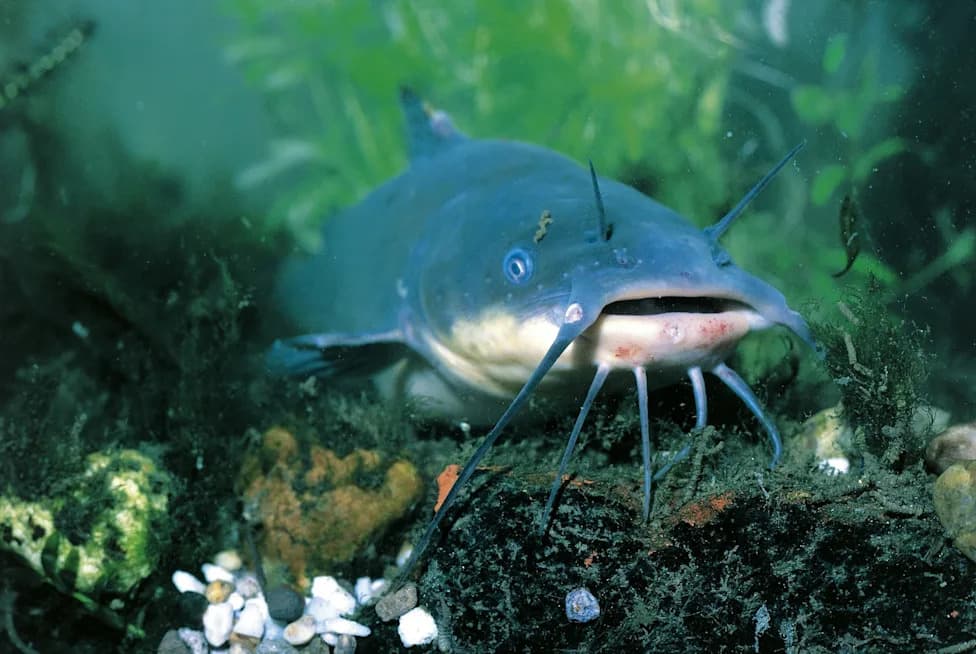
Scientists discover 1st known likely transmissible cancer in wild catfish
Researchers have identified what appears to be the first likely transmissible cancer in a freshwater fish species after unusually high rates of melanoma-like skin tumours were discovered in brown bullhead catfish (Ameiurus nebulosus) from Lake Memphremagog, the cross-border lake between Vermont and Quebec.
Background and Discovery
The pattern first drew attention in 2013, when anglers and field biologists began hauling up brown bullheads with raised black lesions. A new study published in Nature reports that between 23% and 37% of sampled fish had confirmed melanoma lesions — far higher than previously recorded in this species elsewhere.
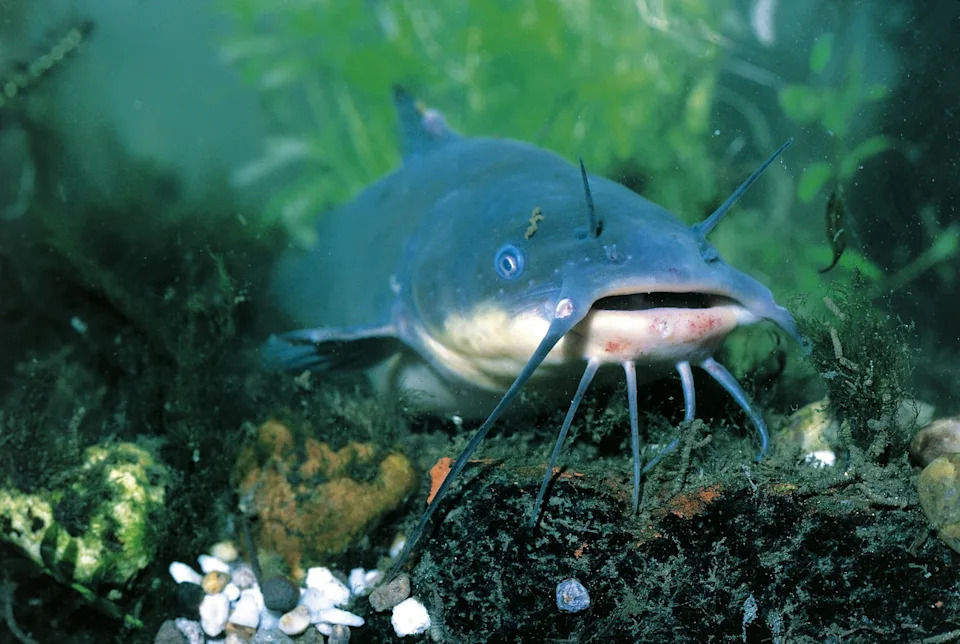
C. Galasso/De Agostini via Getty Images, FILE - PHOTO: In this undated file photo, a brown bullhead catfish, (Ameirurus nebulosus) is shown.
From Pollution Hypothesis to a Surprising Genetic Finding
Early inquiries considered environmental contamination as a potential cause. After Tropical Storm Irene caused widespread flooding in 2011, some investigators speculated that pollutants or carcinogenic runoff might have driven an unusual spike in skin cancers among the fish. However, follow-up investigations found no clear infectious agent or environmental culprit that explained the pattern.
Genomic Evidence for Transmission
Researchers used whole-genome sequencing to compare DNA from malignant melanoma tissue with DNA from healthy tissues of the affected fish. Tumour genomes taken from multiple individuals were strikingly similar to one another yet substantially different from the genomes of their hosts. That pattern strongly suggests the tumours originated from a single lineage of cancer cells that spread among fish rather than arising independently in each animal.
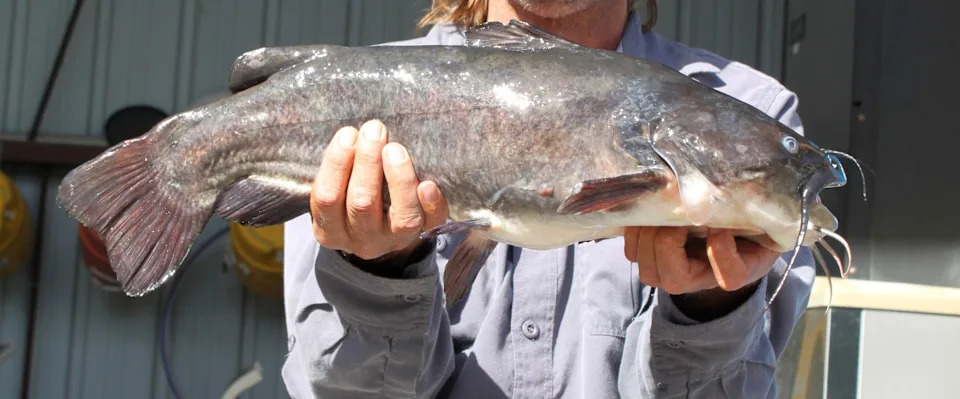
Paul Thomas/Florida Fish & Wildlife Conservation Commission - PHOTO: In this photo released by the Florida Fish & Wildlife Conservation Commission, a brown bullhead catfish is shown.
How Might It Spread?
The precise mechanism of transfer remains under investigation. Brown bullheads often congregate closely during spawning and in shallow, sheltered habitats; such proximity could provide opportunities for cancer cells to move between hosts. Researchers have not yet demonstrated the exact route of transmission, and additional behavioral and laboratory studies are underway.
Public Health And Ecological Context
Lake Memphremagog supplies drinking water to more than 175,000 people. Scientists emphasize there is no evidence that the catfish melanoma can infect humans or that people can “catch” cancer from the fish or from lake water. Current data also suggest the cancer cells do not readily infect other species in the lake.
Why This Matters
Previously documented naturally transmissible cancers are rare; notable examples include canine transmissible venereal tumour in dogs, facial tumours devastating Tasmanian devils, and several cancers in bivalve mollusks. The apparent case in Lake Memphremagog brown bullheads adds freshwater fish to that short list. Studying this system may reveal new insights into how malignant cells evade immune defenses, survive outside their original host, and spread in wild populations.
Bottom Line: Genomic data indicate a clonal line of melanoma cells likely spreading among brown bullhead catfish in Lake Memphremagog; the phenomenon appears limited to the fish population and poses no known risk to humans.
Further research will be needed to confirm the transmission mechanism, determine how long the lineage has circulated, and assess ecological impacts on the catfish population.
Help us improve.