Samantha Niblett, Labour MP for South Derbyshire, has launched the Yes Sex Please, We’re British! campaign to promote lifelong sex education focused on consent, respect and healthy relationships. The move comes amid ONS figures showing about 15.9% of adults reported sexual assault since age 16, underscoring campaigners’ calls for better education. Niblett plans public events and a Parliament display of sex-education aids and partners with experts including Cindy Gallop; the initiative has drawn both support and criticism but seeks cross-party policy change.
‘Yes Sex Please, We’re British!’: MP Samantha Niblett Urges Lifelong Sex Education To Tackle Abuse

MP Samantha Niblett has launched officially launched her campaign, calling for lifelong sex education [BBC]
Samantha Niblett, the Labour MP for South Derbyshire, has launched the provocative but policy-focused campaign Yes Sex Please, We’re British! aiming to make lifelong sex education a national priority. The campaign seeks to destigmatise conversations about sex and pleasure while emphasizing consent, respect and healthy relationships as tools to prevent abuse and violence.
Why The Campaign Matters
Official statistics underline the urgency behind the initiative. The Crime Survey for England and Wales reported that, for the year ending March 2025, about 15.9% of people aged 16 and over — roughly 7.7 million people — said they had experienced sexual assault since the age of 16. Of those, 1.9 million were victims of rape, and around 1.8 million of those rape victims were female, according to the Office for National Statistics.
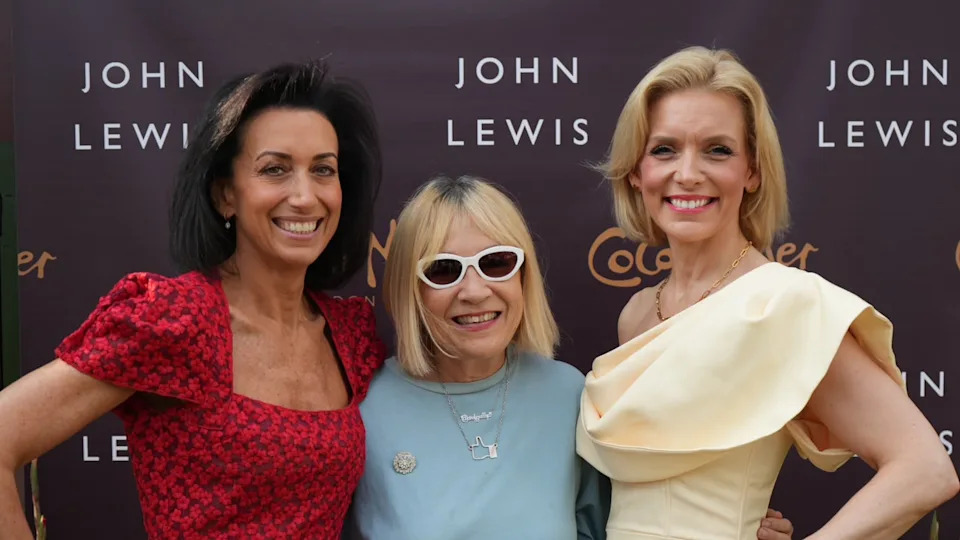
Niblett (right), launched her campaign alongside sex educator Cindy Gallop (middle) and Lucy Litwick, the CEO of Coco De Mer in London [Supplied]
Campaign Approach And Partners
Niblett says the campaign is intended to remove stigma from conversations about sex and to expand sex education beyond adolescence, covering lifecycle issues such as childbirth, the menopause, erectile dysfunction, stress and broader sexual health. She has partnered with sex educator Cindy Gallop and Lucy Litwick, CEO of Coco De Mer, and has received public backing from figures including actress Emma Thompson, as well as professionals from the NHS and the probation service.
"A significant part of sex between people... is communication and it is pleasure. Trying to take away the stigma or shame around even talking about [sex toys] is why the campaign is absolutely talking about sex toys," Niblett said.
As a visible part of the campaign, Niblett staged a public launch promoted as a "summer of sex" in London and plans to display sex education aids and sex toys in Parliament in the autumn; she confirmed these items are not banned from the parliamentary estate after checking with security.
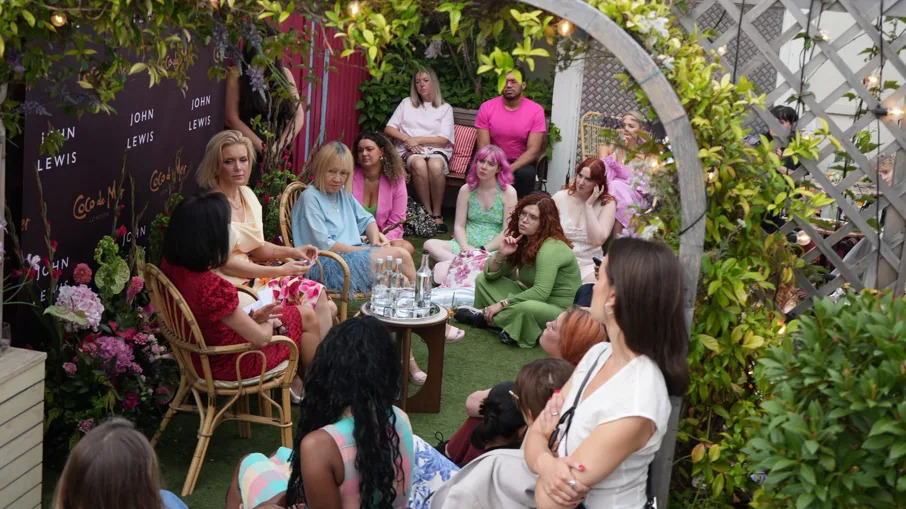
The campaign launch event was held at John Lewis in Oxford Street [Supplied]
Policy Context And Legislative Momentum
The campaign complements ongoing efforts to improve sex and relationships education in England. Labour MP Alistair Strathern introduced the Relationships and Sex Education (Further Education Sector) Bill in June, proposing mandatory relationships and sex education for 16- to 18-year-olds. A survivor-led group, Make It Mandatory, gathered more than 106,000 signatures calling for education to be mandated to age 18.
Niblett also chairs the All-Party Parliamentary Group on Sex and Reproductive Health, which connects MPs with experts and sexual-violence campaigners to inform policy recommendations. She hopes the incoming prime minister will consider a ministerial post focused on sex education and wellbeing to drive change at government level.
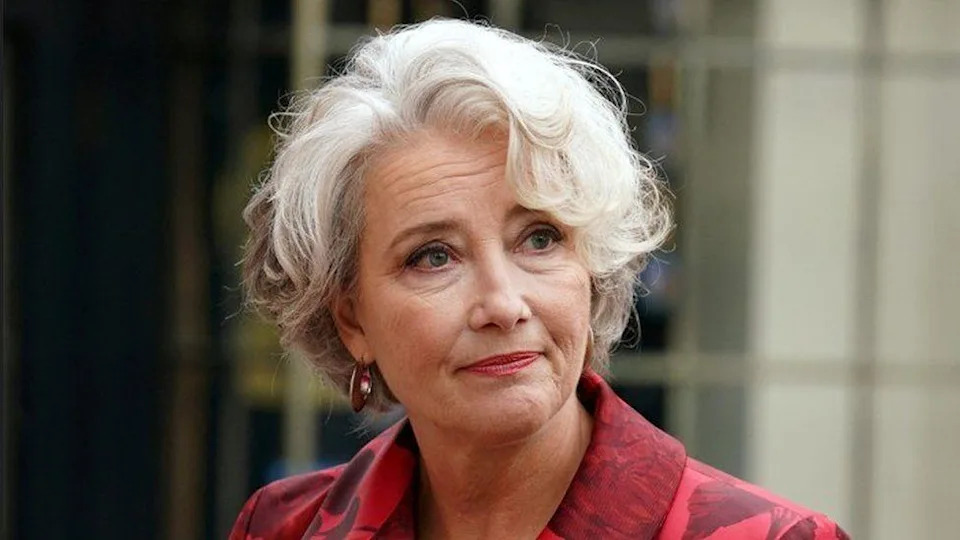
Niblett's campaign has received backing from actress Emma Thompson along with members of the NHS and probation service [Reuters]
Reaction And Debate
The campaign has provoked a mixed response. Some MPs and public figures have criticised the approach — objecting to public discussion of sex toys or calling the timing inappropriate — while others commend its focus on prevention and evidence-based education. Niblett says the ridicule she has faced is partly why she pursued the campaign: to change the tone of public debate and challenge stigma.
Supporters argue that better education about healthy sex and communication can reduce harm and give survivors clearer language to describe abuse. Critics contend that MPs should prioritise issues such as the cost of living or local concerns, but Niblett maintains that sex education is a political issue with cross-party relevance and policy implications for both the Department for Education and the Department of Health and Social Care.
What Comes Next
In the coming months Niblett plans a backbench debate in the autumn with reported cross-party support, public events and continued engagement with health and criminal justice professionals. Her stated aim is to shift the conversation from giggles or provocation to serious policy change that reduces sexual harm and improves wellbeing across the life course.
Key Facts: The campaign links destigmatising pleasure and communication with prevention, aligns with legislative pushes to extend sex education into further education, and has both high-profile supporters and vocal critics in Westminster.
Help us improve.