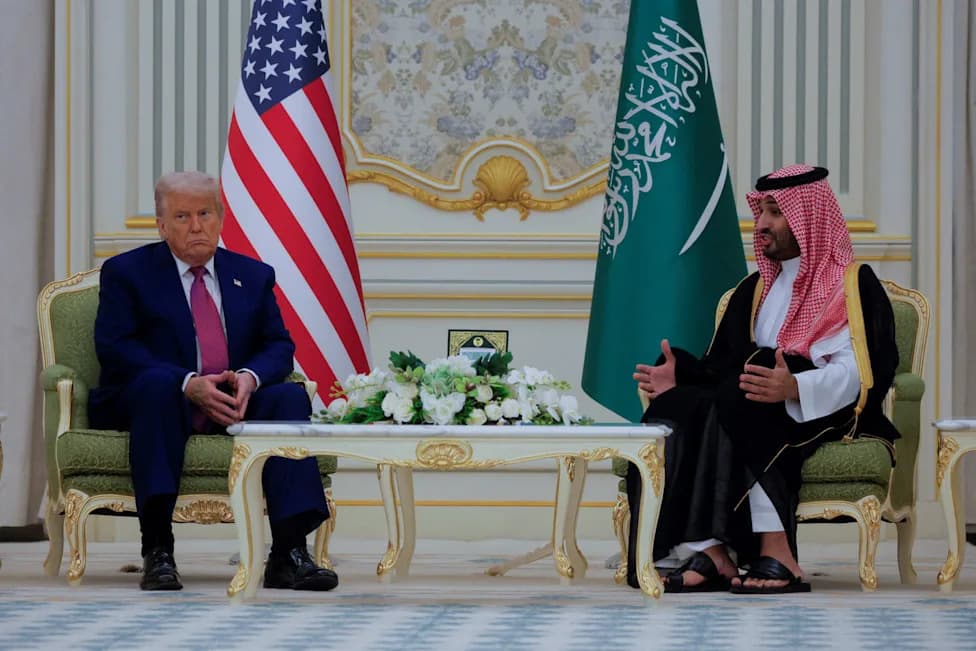
President Trump said the U.S. will approve a civilian nuclear cooperation deal with Saudi Arabia only if Riyadh joins the Abraham Accords, while stressing the pact would prohibit uranium enrichment and be for peaceful use only. The finalized agreement with Crown Prince Mohammed bin Salman could create multibillion‑dollar opportunities for U.S. firms and comes as Saudi Arabia pledges nearly $1 trillion in U.S. investments. Analyst Abdulsalam Saleh accused the administration of misrepresenting the signed contract by adding a normalization condition, and Congress will now review the pact amid proliferation and regional stability concerns.
Trump Conditions US‑Saudi Civil Nuclear Deal On Riyadh Joining Abraham Accords — Analyst Calls It 'An Investment In Netanyahu'
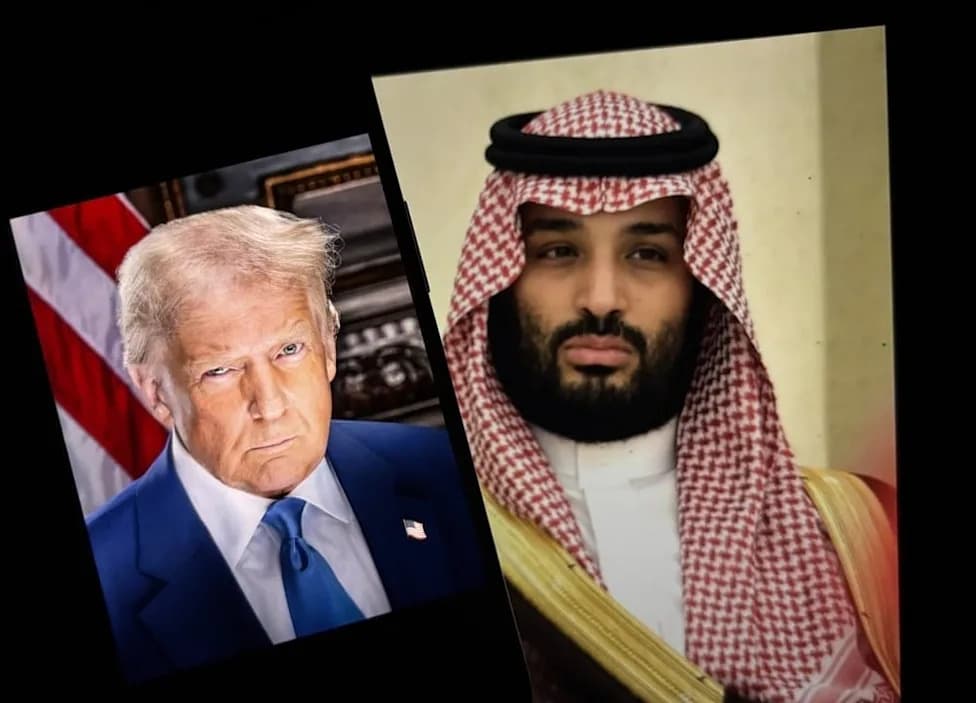
Trump Says US-Saudi Civil Nuclear Deal 'Totally Subject To' the Nation Joining Abraham Accords— Analyst Fires Back: 'Blatant Investment In Netanyahu'
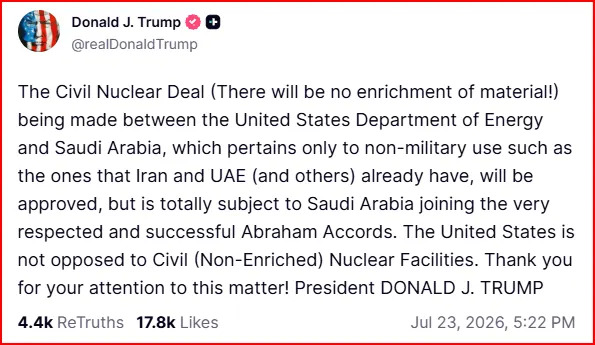
President Donald Trump said the United States would approve a civilian nuclear cooperation agreement with Saudi Arabia only if Riyadh satisfies a key condition: joining the Abraham Accords and normalizing relations with Israel.
Posting on Truth Social, Trump affirmed the accord would bar uranium enrichment and be restricted to peaceful, non‑military uses, adding the agreement is "totally subject to" Saudi Arabia joining the "successful" Abraham Accords. He also said the U.S. is "not opposed" to civilian nuclear facilities that do not use enriched uranium, similar to some plants in the United Arab Emirates.
On Wednesday, the administration finalized a civilian nuclear cooperation agreement with Saudi Crown Prince Mohammed bin Salman intended to support Riyadh's civil nuclear program and open multibillion‑dollar opportunities for U.S. nuclear firms. The pact will now undergo review by the U.S. Congress.
Economic Tie‑Ins
Alongside the agreement, Saudi Arabia announced plans to increase its investment commitments in the United States to nearly $1 trillion, signaling a major expansion of bilateral economic ties. Supporters of the deal say it would strengthen U.S.‑Saudi relations, bolster American industry, and limit Chinese and Russian influence in the kingdom.
Reactions And Risk Assessment
Critics warn the agreement could heighten proliferation risks and potentially spur a regional arms race, especially given existing tensions with Iran. Those concerns focus on the potential for civilian programs to be diverted or used as a cover for sensitive technologies.
Abdulsalam Saleh, a Middle East affairs analyst, responded on X (formerly Twitter) that linking the signed agreement to normalization with Israel misrepresents the contract. He said the posted condition was a "newly introduced" clause not present in the official text and called the move "a blatant investment in Netanyahu" aimed at undermining Saudi sovereignty.
Saleh urged the U.S. president to review the terms of the officially signed contract between the two countries' energy ministries, insisting Riyadh remains committed to Palestinian statehood and will not sacrifice core principles for a technical or nuclear arrangement.
What Comes Next
As Congress examines the accord, debate is expected to continue in Washington and across the Middle East over the deal’s strategic benefits and non‑proliferation implications. Lawmakers will weigh economic opportunities for U.S. firms against regional security concerns and the need for robust safeguards.
Bottom line: The agreement marks a significant step in U.S.‑Saudi relations but now faces political scrutiny and diplomatic friction — particularly over the U.S. president's public condition tying approval to normalization with Israel.
Help us improve.