The University of Minnesota and MyGender Dolls developed paper dolls with interchangeable clothing, hairstyles and removable genital parts for children aged 4–10, promoted as a therapeutic play tool. Prototypes shown in 2024 — including a doll nicknamed "Sam" with a detachable penis — have prompted debate. Supporters say the dolls help children explore gender and body diversity; critics express ethical and parental-consent concerns. Reports indicate Governor Tim Walz provided funding, and the university and project leaders were contacted for comment.
Minnesota Plans Distribution Of Gender-Diverse Dolls For Children Aged 4–10 — Program Draws Praise And Criticism
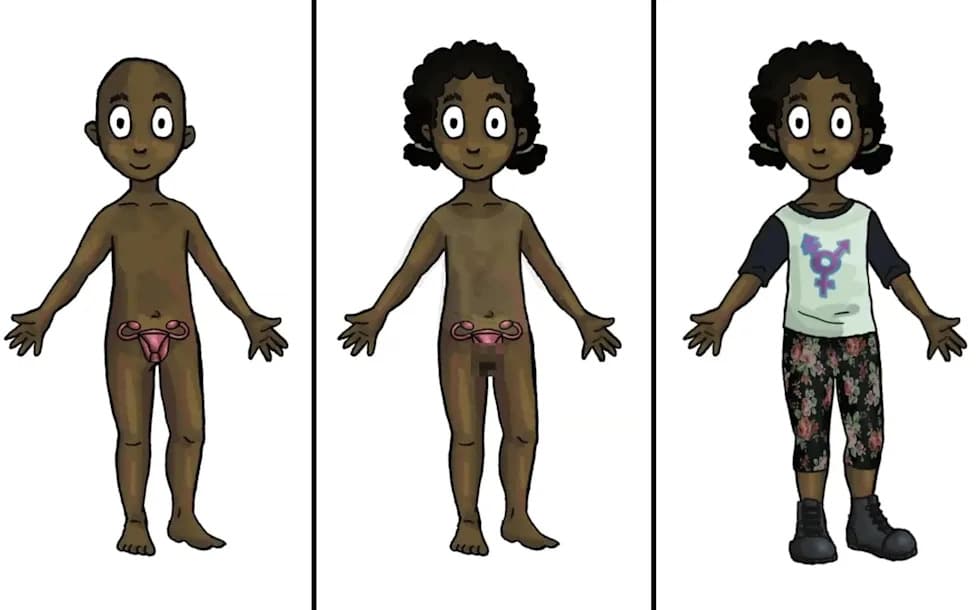
Each doll has a gender-neutral name, along with removable internal and external genitals - University of Minnesota/University of Minnesota
The University of Minnesota and the MyGender Dolls project have developed paper dolls with interchangeable clothing, hairstyles and removable genital parts intended for children aged 4–10. The initiative, reportedly supported with state funds, is being positioned as a therapeutic play tool for clinicians and educators, but it has also provoked criticism from conservative commentators and raised questions about parental consent.
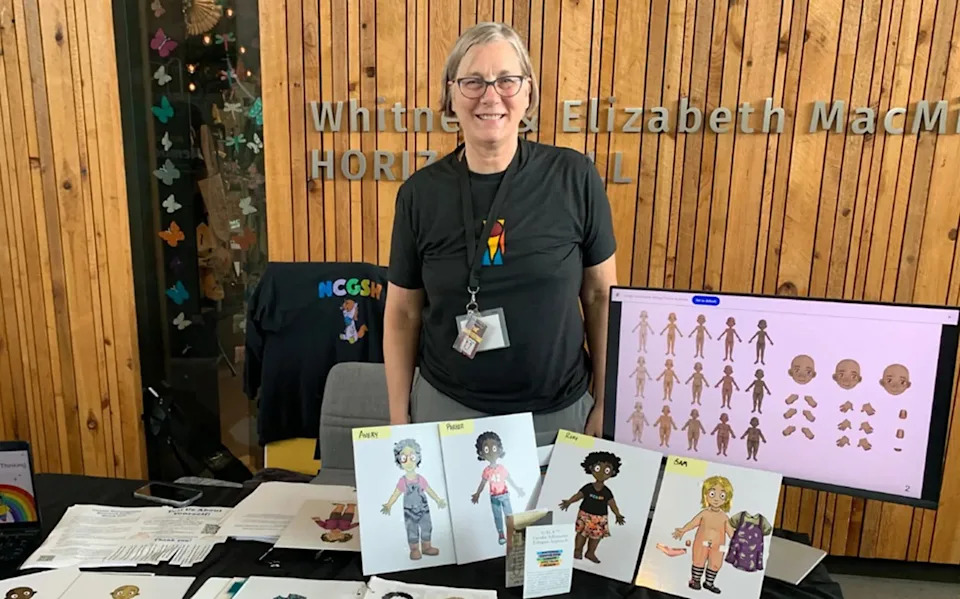
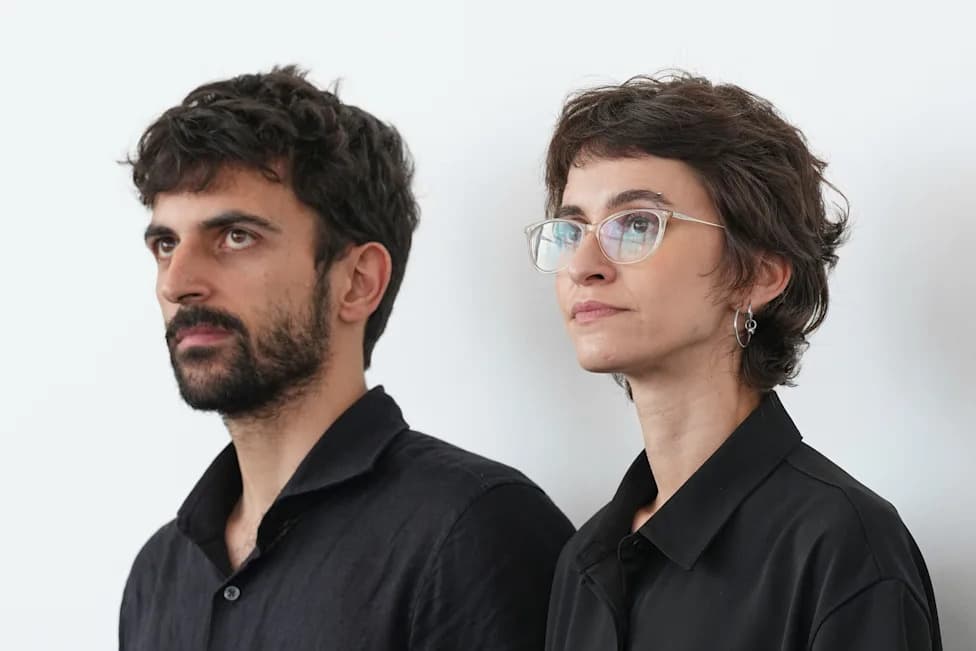
Professor Dianne Berg, co-founder of MyGender Dolls - University of Minnesota/University of Minnesota
Background
According to reporting in The New York Post and other outlets, the dolls were created with input from the University of Minnesota Medical School and the university’s Institute for Sexual and Gender Health. Researchers observed sessions in which "trans and gender diverse" children and their parents used the dolls to talk about gender and bodies.
The dolls are intended to allow children to 'learn about the different options that exist for who they can be' - University of Minnesota/University of Minnesota
Design And Intended Use
MyGender Dolls describes the product as a "first-of-their-kind therapeutic play approach designed for gender diverse children ages 4–10." Each set reportedly includes a paper doll with a gender-neutral name, removable internal and external genital pieces and more than 100 items of clothing, accessories and hairstyles. The company says the dolls are intended for use by professionals who support gender-diverse children — including teachers, school counsellors, paediatricians and mental-health providers.
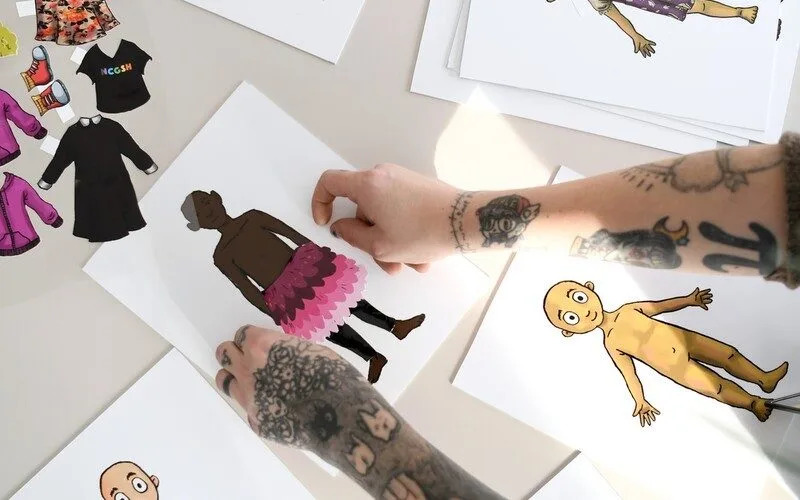
Each doll has more than 100 pieces of clothing, accessories and hairstyles - University of Minnesota/University of Minnesota
Public Reaction And Concerns
Prototypes were shown at a 2024 conference. One doll, nicknamed "Sam" in coverage, was described as having a detachable penis on one side and a dress on the other, a design that has drawn particular attention. Conservative critics, including Dr. Quentin Van Meter, former president of the American College of Pediatricians, have argued the dolls are inappropriate for young children and warned they could cause confusion. Supporters say the dolls offer an inclusive, therapeutic way for children to explore identity and body differences.
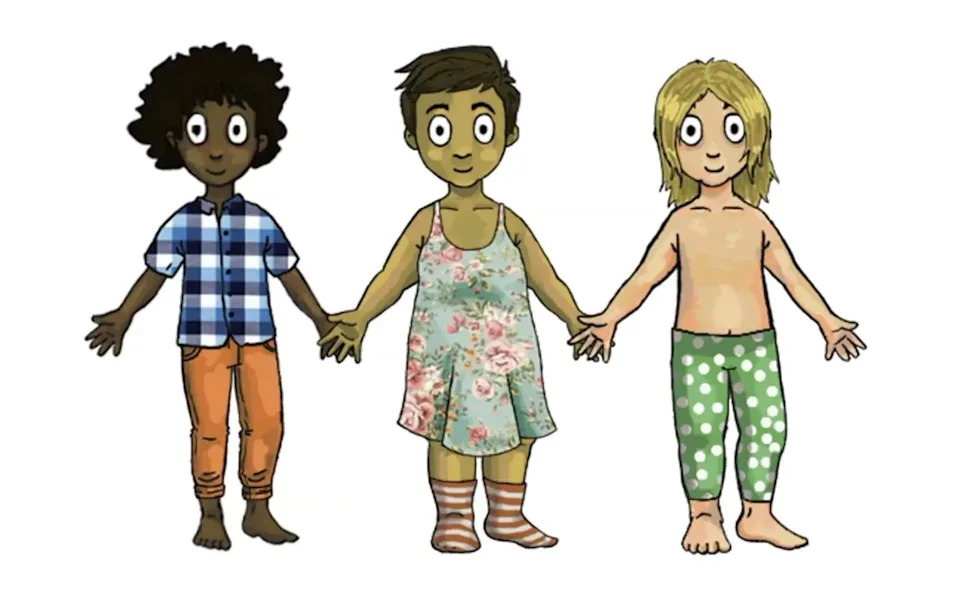
The trans dolls, which promise to 'make gender fun', will be made available to teachers, school counsellors, paediatricians and mental health providers - University of Minnesota/University of Minnesota
Funding And Official Responses
Reports say Governor Tim Walz provided funding for aspects of the project, which has intensified political scrutiny. The University of Minnesota, Governor Walz’s office and MyGender Dolls have been approached for comment but had not responded at the time of the reporting cited.
Questions For Schools And Families
Key issues raised by the rollout include how the dolls will be distributed in educational settings, whether parents can opt children out of lessons that use them, and how schools and medical professionals will ensure age-appropriate and transparent use. The conversation reflects broader national debates about gender education, children's health services and parental involvement.
Note: This article summarizes publicly reported details about the MyGender Dolls project. Statements such as funding and specific program plans are described as "reported" where confirmation was pending at the time of publication.
Help us improve.