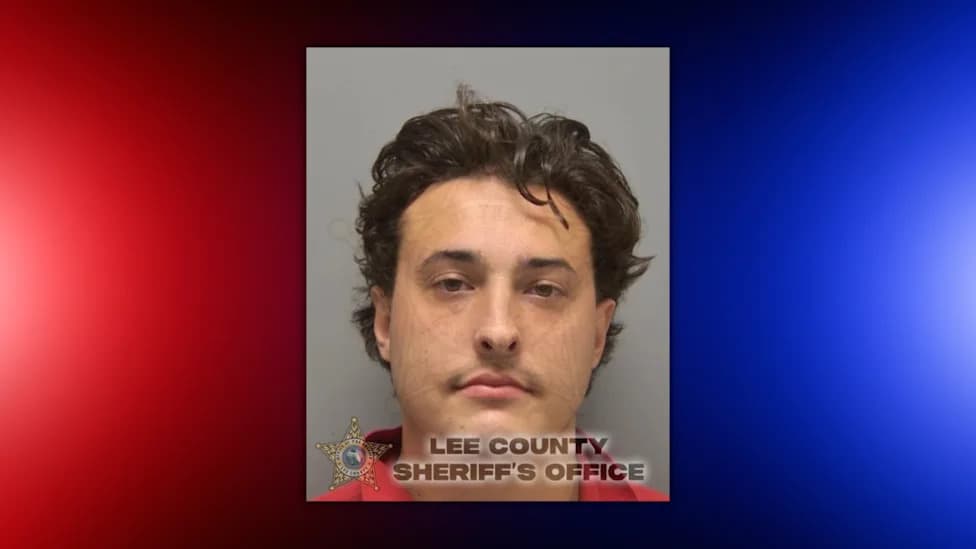
The trooper who arrived at a two-bike crash on I-75 near Bradenton told one rider not to run, but 20-year-old Jason Ortiz fled twice. The motorcycle—already damaged in the collision—later smoked and ignited, forcing him to stop and allowing officers to arrest him. Ortiz faces felony hit-and-run, multiple aggravated fleeing charges, and misdemeanors for registration and licensing violations. The case underscores hidden post-crash mechanical risks, the compounded legal consequences of fleeing, and potential insurance complications.
Motorcyclist Flees Twice After I-75 Crash — Damaged Bike Catches Fire, Forcing Arrest

Florida Motorcyclist Fled Troopers Twice, Then His Own Bike Ratted Him Out By Catching Fire
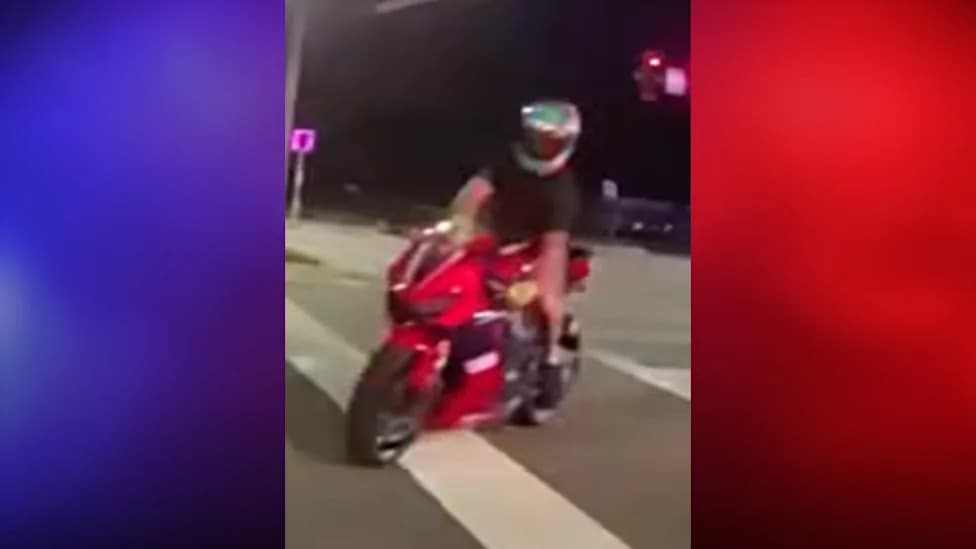
Early Sunday on Interstate 75 near Bradenton, a Florida Highway Patrol trooper arrived at the scene of a crash involving two motorcycles. One rider was injured; the other, identified as 20-year-old Jason Ortiz, was standing nearby. According to the arrest report, the trooper used his public-address system and told Ortiz,
"Do not run, you are not in trouble."Ortiz pushed his bike back to life and fled.
Officer Restraint, Not Hesitation
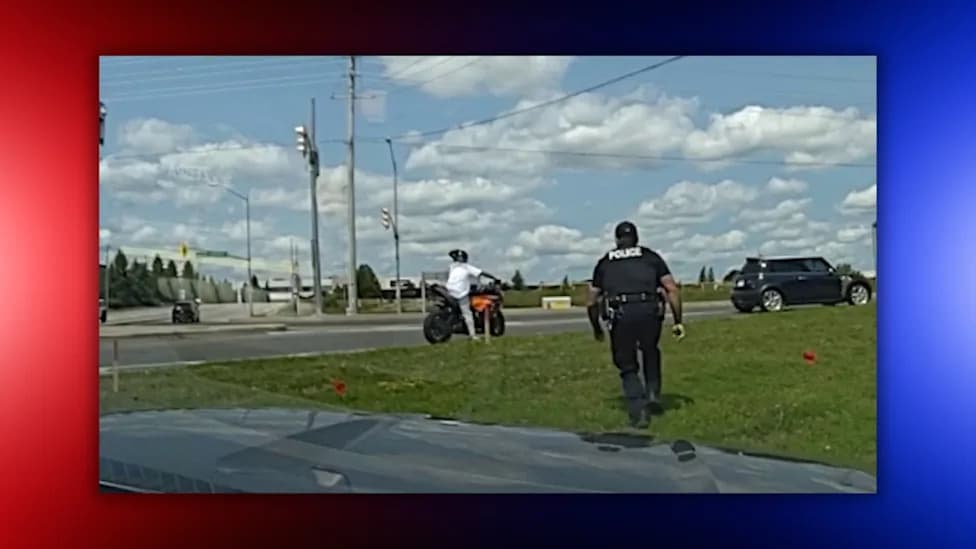
Rather than immediately initiating a high-speed pursuit, the trooper allowed Ortiz to ride off and then closed the gap with lights and siren once the motorcycle slowed. That decision reflects modern pursuit policies designed to balance law enforcement objectives with public safety: not every flight justifies a dangerous, fast chase.
Flight Ended By Mechanical Failure
Ortiz attempted to flee a second time. This escape ended when the motorcycle, already damaged in the earlier crash, began emitting heavy smoke and then caught fire. Reports say Ortiz tried to restart the bike; the trooper nudged the burning motorcycle with his patrol vehicle to prevent further movement and physically pulled Ortiz away from the flames to prevent injury.
Why The Bike Ignited
The motorcycle did not spontaneously combust. Impact damage from the earlier collision can create hidden failures: a nicked fuel line, a stressed seam that leaks rather than bursts, or bodywork pushed closer to a hot exhaust. Those problems often reveal themselves only when the engine is worked hard again—as fleeing a trooper tends to provoke—turning a rideable-looking bike into an uncontrolled combustion risk.
Charges And Consequences
Ortiz now faces multiple charges: felony hit-and-run for leaving an injured rider on the interstate, felony aggravated fleeing (reportedly charged twice, once for each flight), and misdemeanors for operating an unregistered motorcycle and riding without a valid license. What began as a routine crash response escalated into a multi-charge arrest before sunrise.
Insurance And Victim Implications
The fire adds an insurance complication: an adjuster may need to investigate both the original crash and the post-crash fire as potentially separate causes, which can delay settlements. Hit-and-run victims often must rely on their uninsured motorist coverage to recover quickly, since criminal restitution can take months or years to resolve.
Broader Takeaways
This incident highlights several lessons: the value of restraint in pursuit decisions, the hidden mechanical risks that follow even minor motorcycle crashes, and how fleeing compounds legal exposure. The trooper’s measured approach likely avoided a dangerous high-speed chase; the motorcycle’s compromised condition, not law enforcement force, ultimately ended the escape.
Safety reminder: Riding a bike after a crash can mask critical damage. Even if a motorcycle still starts, unseen failures can produce catastrophic results when the engine is pushed.
Help us improve.