Zahra Joya was disguised as a boy by her family so she could attend school in Afghanistan after the Taliban banned girls\' education in 1996. Living as 'Mohammed' for years gave her freedoms denied to girls and shaped her commitment to feminism and human rights. After fleeing Afghanistan in 2021, she settled in the UK, became a bye-fellow at Cambridge and now runs a news agency documenting women\'s oppression under the Taliban. Zahra continues to report, write and campaign for Afghan women and girls denied education and public life.
I Disguised Myself As A Boy To Attend School — How Zahra Joya’s Childhood Shaped Her Fight For Afghan Women
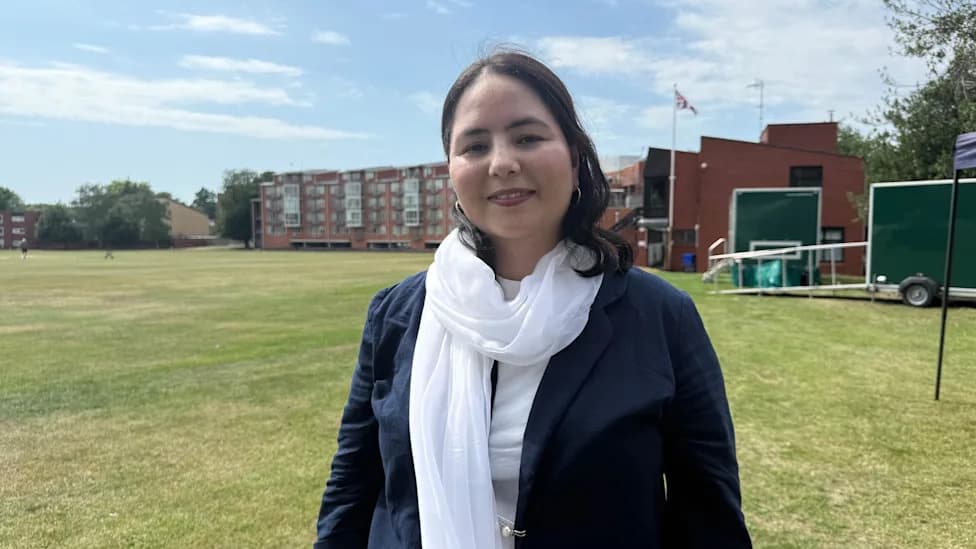
Zahra Joya fled to the UK in 2021 and is now a bye-fellow at Cambridge University [Tom Williams/BBC]
Zahra Joya was five when the Taliban closed the doors of formal education to girls across Afghanistan in 1996. With her father away, her mother made a daring decision: she presented Zahra as a boy so the child could continue attending school.
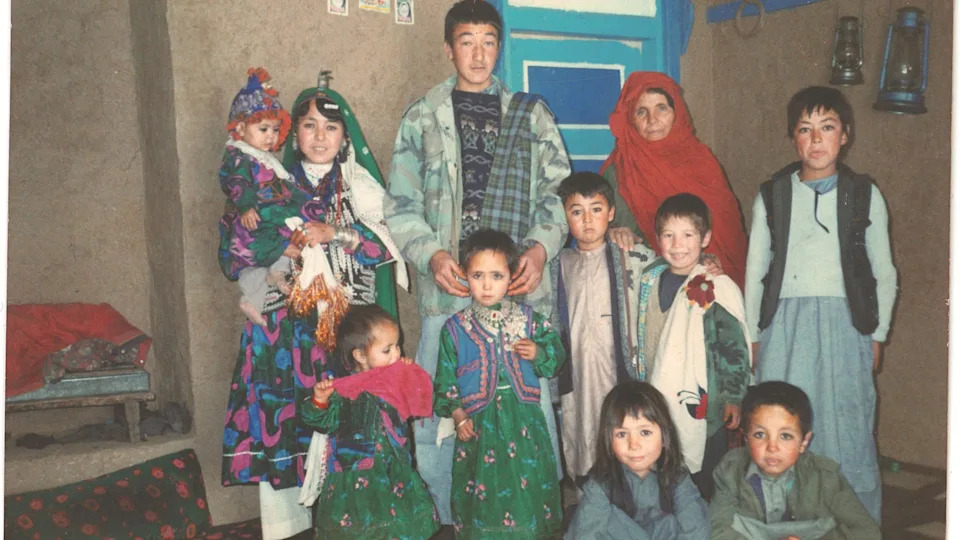
Zahra, front left, dressed in boys' clothes so she could attend school [supplied]
Adopting the name 'Mohammed', Zahra swapped her headscarf for a shirt and blazer and walked two hours each way from a remote mountain village to class. The distance helped conceal her identity, but she lived in constant fear of being discovered. A relative taught her how to play football and behave like the boys in her community; at home she was still called Zahra, but outside she enjoyed freedoms usually denied to girls.
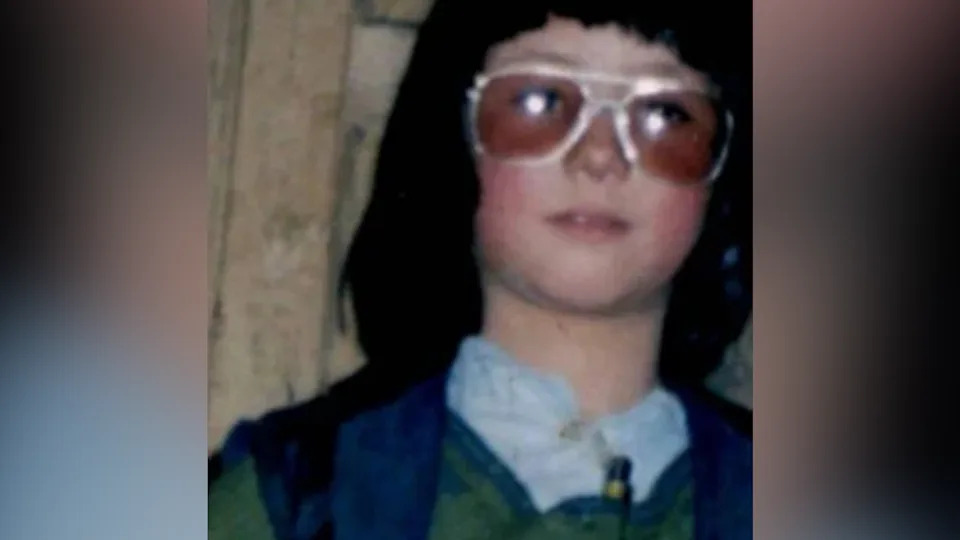
Zahra's longer hair nearly gave her away [Zahra Joya]
'I really didn\'t want to hide myself, my identity, but I had to because there was no choice for me otherwise,' Zahra remembers. 'It was my mother\'s idea to give me this chance, but I was passionate about learning.'
Only later did she and her family fully grasp the danger of their choice. Zahra says the family weighed that risk against the threat of forced marriage and other punishments imposed by the Taliban on girls in her village. The experience of living and learning as 'Mohammed' shaped Zahra\'s understanding of Afghan society and fueled her determination to fight for equality.
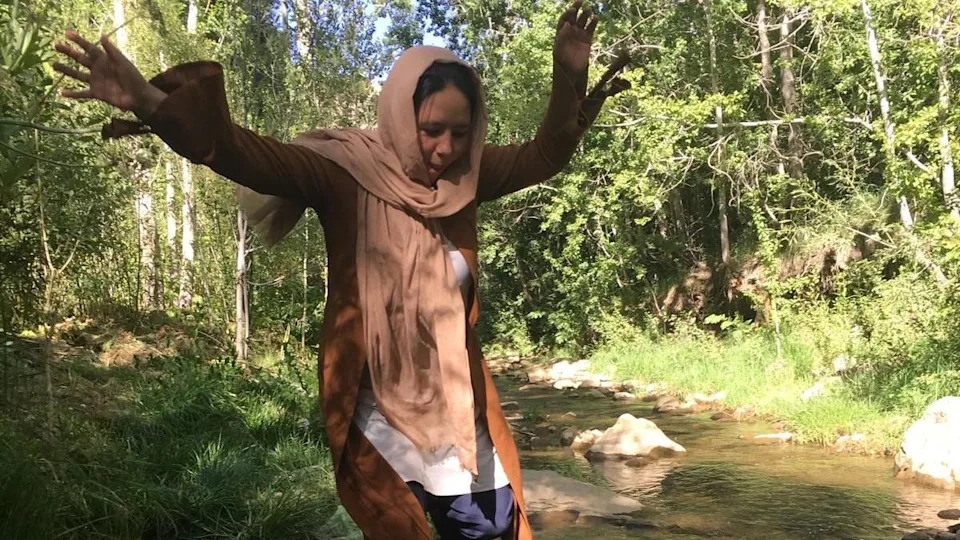
Growing up, Zahra loved the freedom she had while acting as a boy [Supplied]
Schooling, Identity and Long-Term Impact
When the Taliban were ousted in 2001, girls were once again allowed to attend school. Zahra returned to formal schooling but often reverted to male dress at home, saying, 'I love it, it\'s my world.' Education broadened her horizons — she learned about human rights and began to see Afghanistan\'s deep-rooted misogyny more clearly. Zahra credits her childhood disguise with crystallizing her commitment to women\'s rights: 'It was never just about going to school, it was about preserving my identity and dignity and my right to exist.'
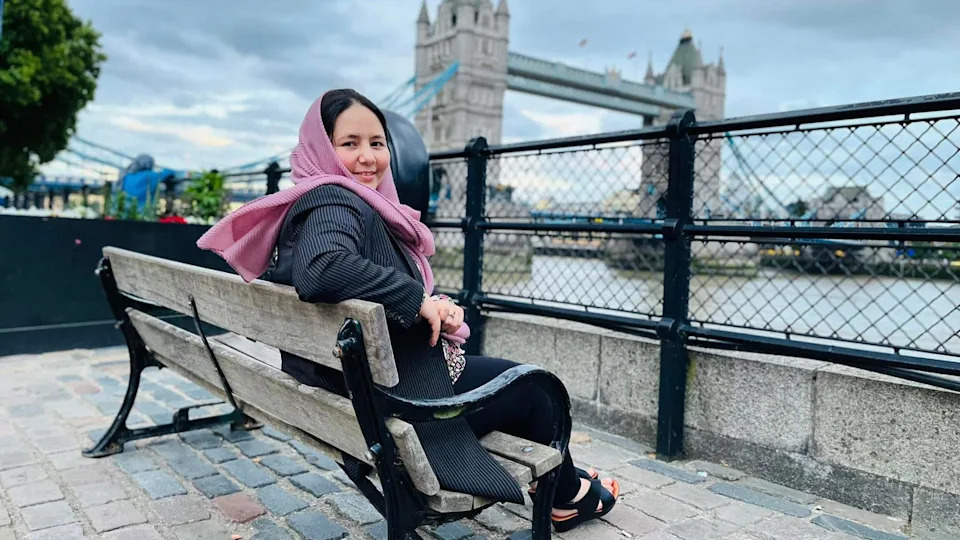
Zahra and her family are now in London but she continues to cover stories from Afghanistan [Zahra Joya]
Exile, Reporting and Activism
After the Taliban rapidly regained power in 2021 following the withdrawal of Western forces, Zahra fled Afghanistan. She now lives in London with her family and is a bye-fellow at Hughes Hall, University of Cambridge. She runs a news agency that documents the oppression of women under the Taliban and authored the memoir The Vanishing Girl of Kabul, which recounts the fear and urgency of leaving her country.
Zahra continues to report on and amplify Afghan women's stories, arguing that the Taliban\'s policies represent an ongoing 'gender war' that excludes women from public life. Since 2021, girls over the age of 12 have been barred from attending school — a measure Zahra and other activists say amounts to the collapse of women\'s freedoms and hopes for the future.
Why This Story Matters
Zahra\'s childhood disguise is both a personal account of survival and a powerful illustration of how education, gender and identity intersect under extreme repression. Her experience highlights the risks families take to secure learning for girls, the lasting impact of those early choices, and the continuing struggle for Afghan women\'s rights in exile and at home.
Help us improve.