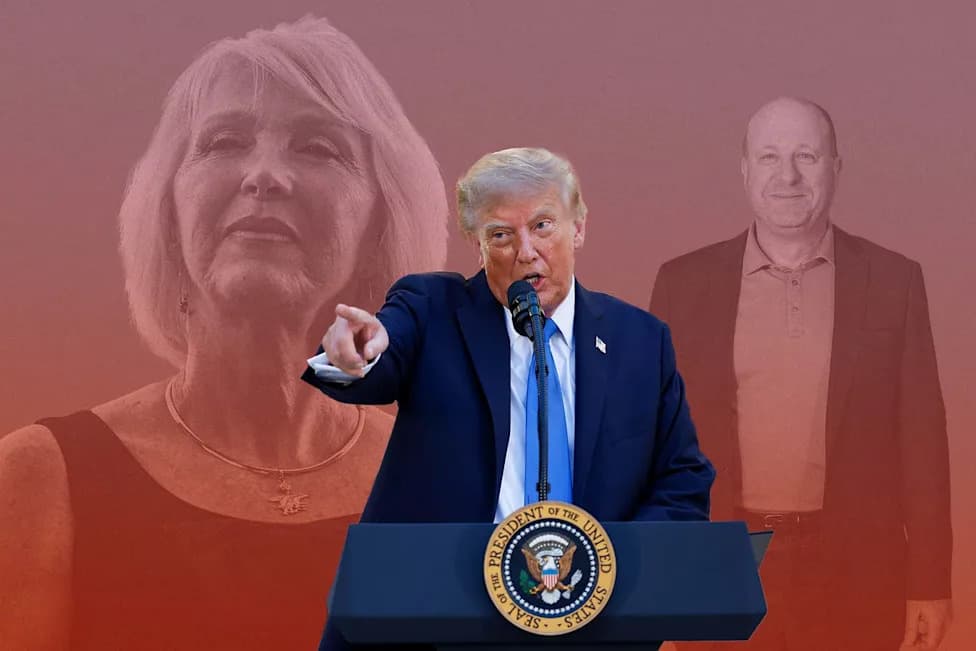
Key Point: Court filings show the Trump administration canceled $7.6 billion in clean‑energy grants largely for political reasons, targeting 16 states that backed Kamala Harris in 2024. The admission contradicts official statements that the cuts were based on project viability. Multiple lawsuits and an inspector‑general probe are underway, and critics say the moves favor fossil‑fuel projects and harm jobs and communities.
Court Filings: Trump Administration Admits $7.6B in Clean‑Energy Grants Were Cut Over Politics
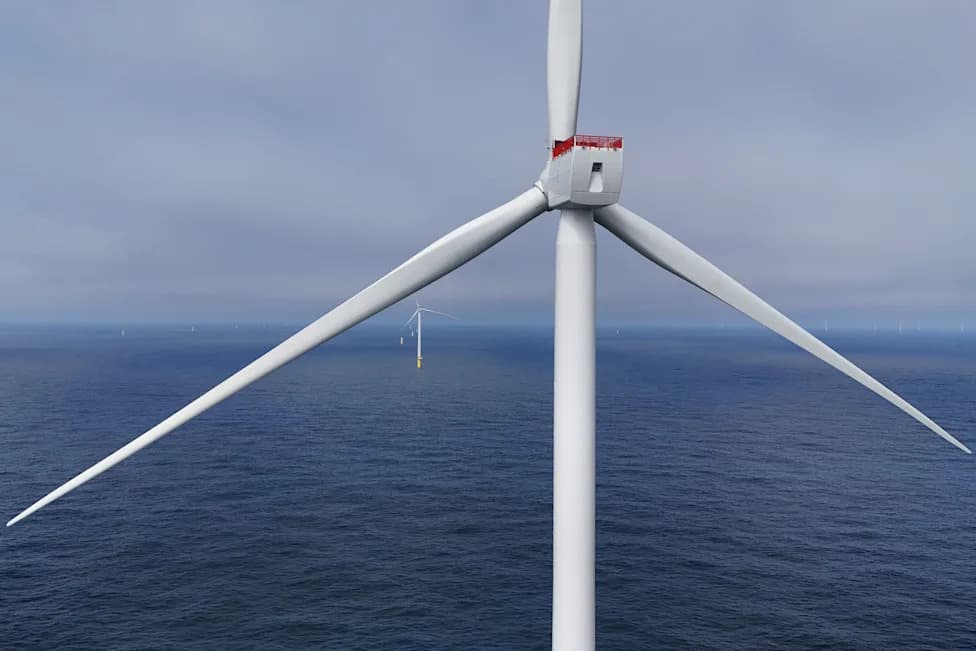
FILE - Turbines are visible at Sunrise Wind offshore wind farm that is under construction off the coast of Montauk Point, New York, April 23, 2026. (AP Photo/Joshua A. Bickel, File)(AP Photo/Joshua A. Bickel)
The Trump administration has acknowledged in recent court filings that it canceled $7.6 billion in grants for hundreds of clean‑energy projects based "solely" on the political affiliation of the recipient's state — specifically targeting 16 states that supported Kamala Harris in the 2024 presidential election. The admission contradicts earlier public statements from Energy Secretary Chris Wright and other officials, who said the terminations were based on project viability and efficient use of taxpayer dollars.
What Happened
Last October, the Department of Energy announced it had terminated 321 funding awards tied to 223 projects, saying those recipients "did not adequately advance the nation's energy needs or were not economically viable." The cuts affected projects ranging from battery and hydrogen plants to electric‑grid upgrades and carbon capture facilities.
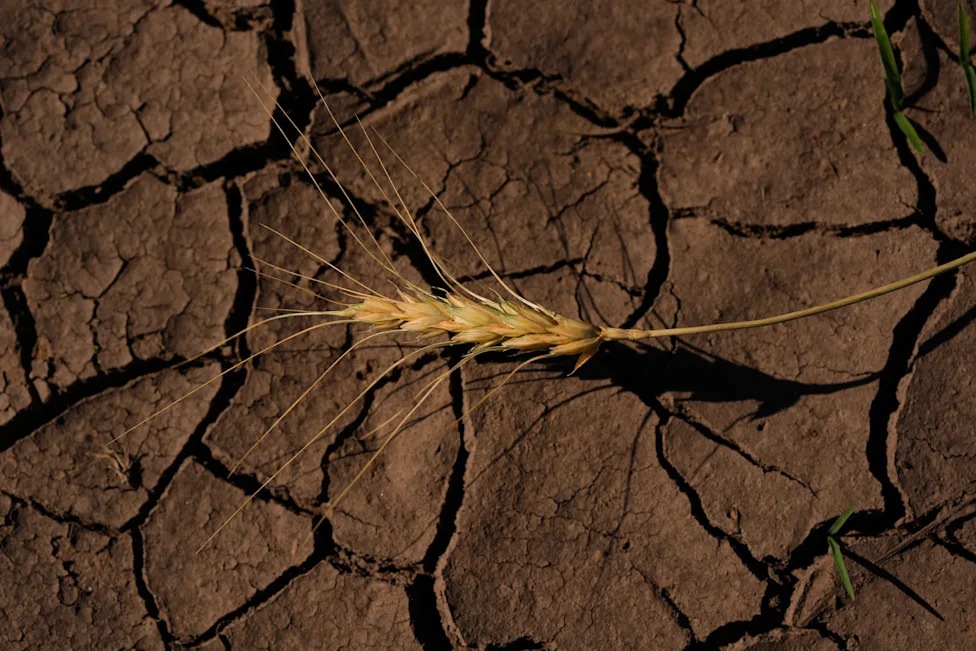
FILE - A drought-stressed stalk of wheat lies on a parched field May 16, 2026, near Macksville, Kan. (AP Photo/Charlie Riedel, File)(AP Photo/Charlie Riedel)
Political Screening and Legal Fallout
Federal filings in multiple lawsuits now show government lawyers acknowledged using political and social criteria to screen and disqualify grants. Attorneys admitted selections were influenced by whether a grantee's address was in states that tend to elect Democratic candidates (so‑called "Blue States") and that keywords related to diversity, gender, vaccine hesitancy and COVID‑19 were employed to flag projects that conflicted with administration priorities.
Those admissions appear in litigation including the case Thakur v. Trump and separate suits brought by clean‑energy groups and the city of St. Paul, Minnesota. The Energy Department's internal watchdog launched an inspector‑general probe in December after lawmakers asked for a formal investigation.
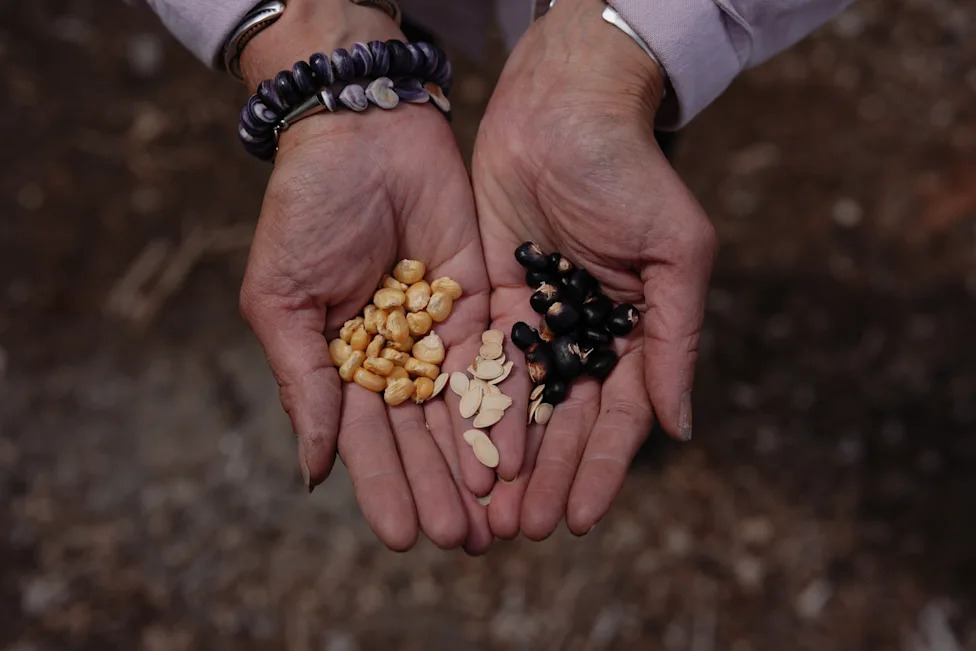
Dawn Spears holds heirloom seeds including, from left, Narragansett white flint corn, crookneck squash and succotash beans Tuesday, April 21, 2026, in Hopkinton, R.I. (AP Photo/Joshua A. Bickel)(AP Photo/Joshua A. Bickel)
Reactions
"This administration has now admitted in court what has long been obvious: it terminated nearly 300 cost‑cutting energy projects for no reason other than the fact that the states they were in did not vote for the president in the 2024 election," Representatives Marcy Kaptur and Senator Patty Murray said, calling the actions "outright un‑American."
Holly Bender, chief program officer for the Sierra Club, said the filings reveal a "vindictive approach" that ignores job losses, rising energy bills and increased pollution. White House budget director Russell Vought framed the cuts differently on social media, saying funding "to fuel the Left's climate agenda is being cancelled." Energy Secretary Wright has defended the decisions as "business decisions" about prudent use of taxpayer money.
Broader Implications
Critics argue the cuts effectively redirect support away from clean energy and toward fossil‑fuel interests, pointing to administration moves to scale back offshore wind in favor of natural gas and coal — a shift they say could involve nearly $3 billion in redirected commitments. With multiple lawsuits and an inspector‑general inquiry underway, the legal and political consequences of the admissions are likely to unfold in the months ahead.
Help us improve.