A Florida woman in her 50s lost $34,000 after a caller spoofing the Osceola County Sheriff’s Office pressured her to make immediate Bitcoin payments for an alleged arrest warrant. The use of cryptocurrency made recovery difficult. Authorities and the FTC warn law enforcement will not demand payment over the phone and urge victims to hang up, preserve evidence, and report the fraud to local police, the FTC, and the FBI’s IC3.
Spoofed Sheriff’s Call Cost Florida Woman $34,000 in Bitcoin
Image Credit: Shutterstock.
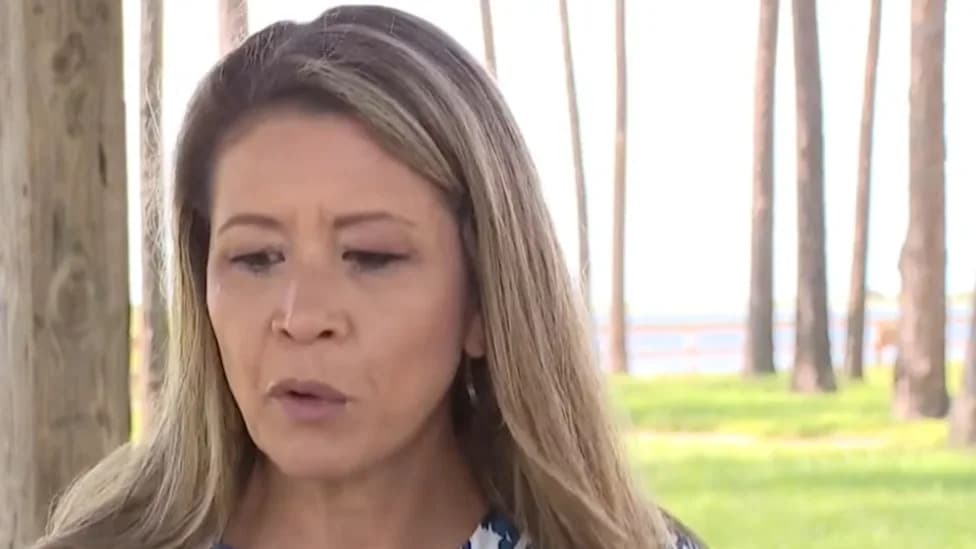
A Florida resident in her 50s was defrauded of $34,000 after a caller who claimed to represent the Osceola County Sheriff’s Office told her she had an active arrest warrant and demanded immediate payment, local authorities and news reports say.
What Happened
The impersonator pressured the woman to avoid immediate arrest, insisting she pay at once. Convinced the threat was real, she completed several Bitcoin transfers before realizing the call was fraudulent. Because the payments were made with cryptocurrency, recovery became difficult once the funds left her control.
How The Scam Worked
Authorities say scammers frequently use spoofed caller ID numbers that appear to come from legitimate agencies, then adopt official-sounding titles—deputy, court official, or sheriff’s office employee—and create urgency by claiming missed jury duty, a missed court date, or an outstanding warrant.
Important: Law enforcement will not call to demand payment, threaten immediate arrest, or ask for fines to be paid in cash, gift cards, cryptocurrency, payment apps, or wire transfers.
What To Do If You Get a Call Like This
If you receive a similar call, hang up immediately and contact the agency using a phone number from the agency’s official website—not the number shown on caller ID or provided by the caller. If you already sent cryptocurrency or used a linked bank card, act quickly.
- Contact your cryptocurrency platform, wallet provider, or Bitcoin ATM operator and ask whether the transaction can be flagged or reversed.
- Call your bank or card issuer if a linked account or card was used to buy crypto.
- Preserve all evidence: call logs, voicemails, texts, wallet addresses, QR codes, transaction hashes, Bitcoin ATM receipts, screenshots, bank records, and any names, badge numbers, or titles the caller used.
- Report the incident to the impersonated agency, your local police or sheriff’s office, the Federal Trade Commission at ReportFraud.ftc.gov, and the FBI’s Internet Crime Complaint Center at IC3.gov.
Why This Matters
Spoofed-number scams are widespread and convincing. The combination of an urgent threat and a nonrefundable payment method like cryptocurrency makes these scams especially effective and costly. Public awareness, quick action, and careful preservation of evidence improve the chances of investigation and possible recovery.
Help us improve.