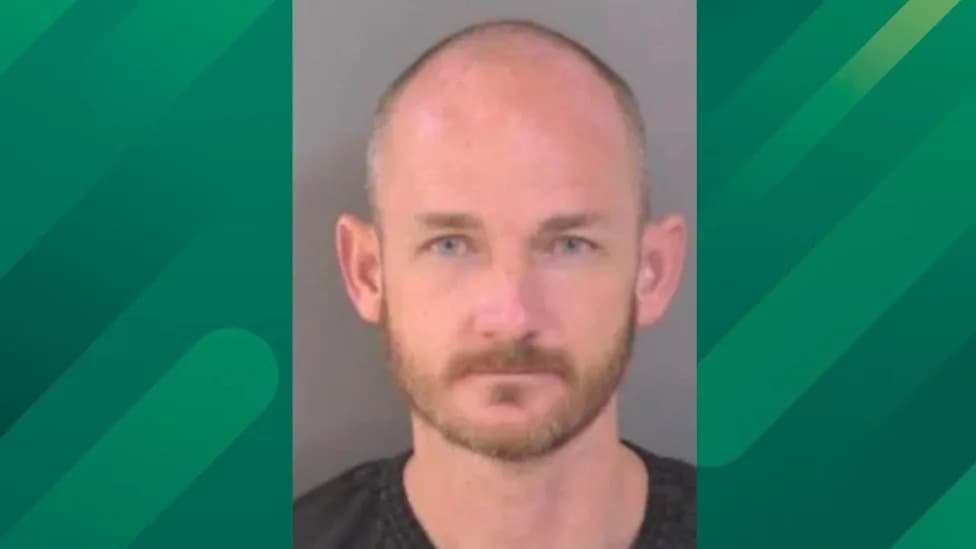
A Miami-Dade man who performed online as "Yunglazz Drakula" was arrested after videos allegedly showed him describing bank-spoofing and account-takeover techniques while displaying cash, cards and victims' personal data. Investigators say a June 17 clip and a July 6 livestream helped prompt a July 23 search that recovered cash, payment cards, a firearm, suspected drugs and disturbing animal-related evidence. He faces charges including organized fraud, money laundering, identity theft and animal cruelty; the allegations remain unproven. The FTC advises never to share one-time verification codes and provides steps victims should take if they suspect fraud.
‘Yunglazz Drakula’ Arrested After Videos Allegedly Exposed Bank-Spoofing, Account-Takeover Scheme
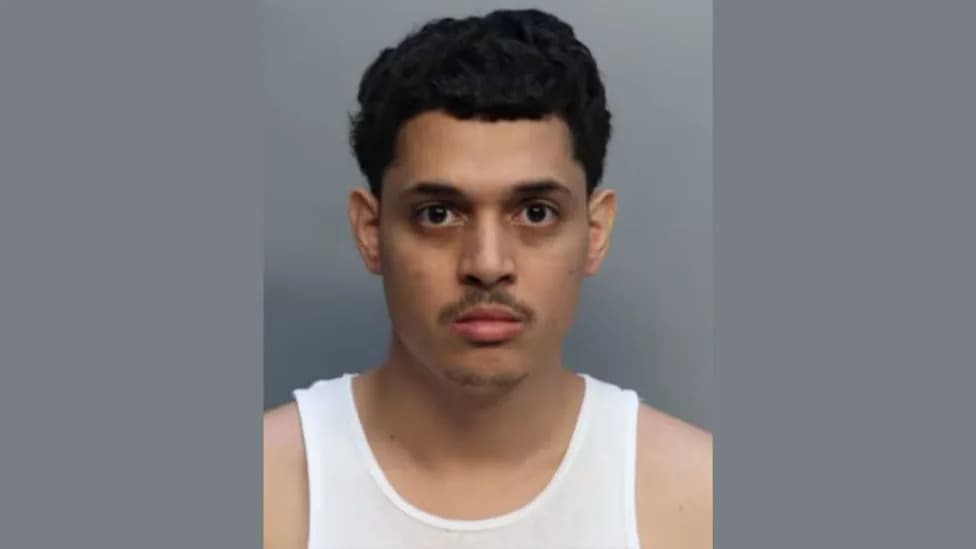
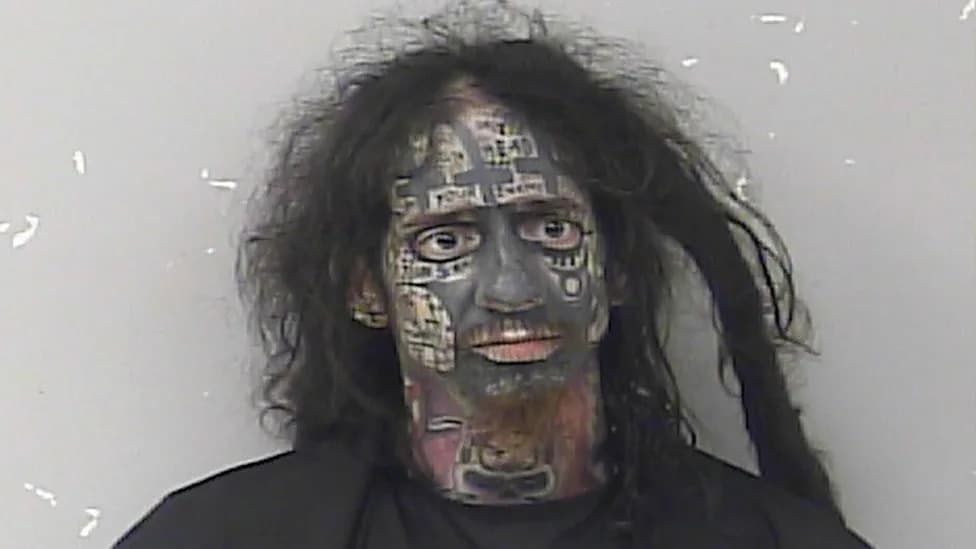
Image Credit: Miami-Dade Corrections and Rehabilitation Department.
A 26-year-old Miami-Dade man who performed online as "Yunglazz Drakula" was arrested after authorities say videos he posted outlined bank spoofing and account-takeover techniques while displaying cash, payment cards and personal information belonging to other people.
Authorities identified the suspect as Lazaro Lesteiro-Diaz. His arrest followed a joint investigation by Miami Police, Miami-Dade deputies and the FBI, according to Local 10 News. Investigators say one video, dated June 17, showed Lesteiro-Diaz beside a laptop, stacks of cash and a call-center–style headset while rapping in Spanish about making a call appear to come from Bank of America and obtaining a customer’s verification code over the phone.
Police say the lyrics and on-camera props were not merely performance: a detective who prepared the arrest report interpreted the material as describing a common scam in which a caller persuades a customer to read back a one-time verification code that can then be used to take over an account.
Investigators allege the online activity continued. In a July 6 livestream, they say, Lesteiro-Diaz displayed a firearm, a large sum of cash and a laptop, then panned the camera to show personal information tied to multiple victims while discussing organized fraud and phone-spoofing methods. Another recent video reportedly showed rows of debit, credit and gift cards, cash on a sink and a suspected firearm with an extended magazine.
Search, Seizures and Charges
Officers executed a search warrant on July 23 at a home in the 11200 block of Southwest 43rd Lane in the unincorporated Westwood Lakes area, one day after a judge signed the warrant. Miami police, Miami-Dade deputies and FBI agents participated in the search. Investigators reported seizing cash, multiple payment cards, a call-center headset, a firearm and magazines, a diamond chain engraved "Drakula," a diamond watch, and baby bottles containing suspected promethazine–codeine cough syrup.
Police also reported disturbing animal-related evidence recovered during the search: two dead chickens with their heads removed and a live baby goat contained in a box near religious items. A local rescue organization later took custody of the goat.
According to authorities, Lesteiro-Diaz acknowledged ownership of some seized items and told investigators he purchased the cough syrup to "cure his sickness." Investigators say he admitted to a prior attempt at fraud before invoking his right to remain silent.
Lesteiro-Diaz was arrested and faces charges that include organized fraud, money laundering, identity theft, armed drug possession and animal cruelty with intent to injure or kill. Records cited by Local 10 indicate he was being held at the Turner Guilford Knight Correctional Center on a $30,000 bond; prosecutors say any funds used to post bail must be shown to come from legitimate sources. The charges are allegations and have not been proven in court.
How the Alleged Scam Works—and How To Protect Yourself
Investigators say the alleged scheme centers on a familiar account-takeover tactic: a scammer spoofs a bank phone number, creates a false sense of urgency, and asks a customer to read back a one-time verification code. That code—intended to protect accounts—can instead let a scammer complete a login, reset a password, enroll a device or authorize transactions if a victim shares it.
The Federal Trade Commission warns consumers never to provide verification codes to anyone who calls, texts or emails unexpectedly. A legitimate bank or fraud department will not ask a customer to read back a code sent to the customer’s phone or email.
If you receive an unsolicited call claiming to be from your bank: hang up, then contact the bank directly using the number on the back of your card, the official bank app, or the verified bank website. Treat unexpected verification codes, password-reset messages, new-device alerts, and wallet-enrollment notices as red flags.
Anyone who already shared a verification code should contact their bank immediately, lock or freeze the account if possible, reset passwords from a secure device, remove unknown devices or payment credentials, and review recent transfers and transactions. Save call logs, texts, screenshots, verification-code messages, bank alerts and any details about the caller—these can help investigators and your financial institution respond.
Reports of bank impersonation and identity theft can be filed with local police, the Federal Trade Commission at ReportFraud.ftc.gov, the FBI's Internet Crime Complaint Center at IC3.gov, and IdentityTheft.gov.
Help us improve.