Caribbean Thoroughbred Aftercare (CTA) has launched "Paso a Paso," an equine-assisted learning pilot inside a Puerto Rico correctional facility after a 16-year effort led by Executive Director Kelley A. Stobie. Chaplains Saymara Correa and Brenda Couvertier, along with Dr. Sáez-Colón and Stobie, operate the program, which teaches horse care and life skills such as patience, responsibility and emotional self-control. Over three months, staff report a powerful emotional bond between horses and participants. The pilot is privately funded; donations may be made at www.ctahorse.com.
After 16 Years, Puerto Rico Launches 'Paso a Paso' — A Prison Equine-Assisted Learning Pilot
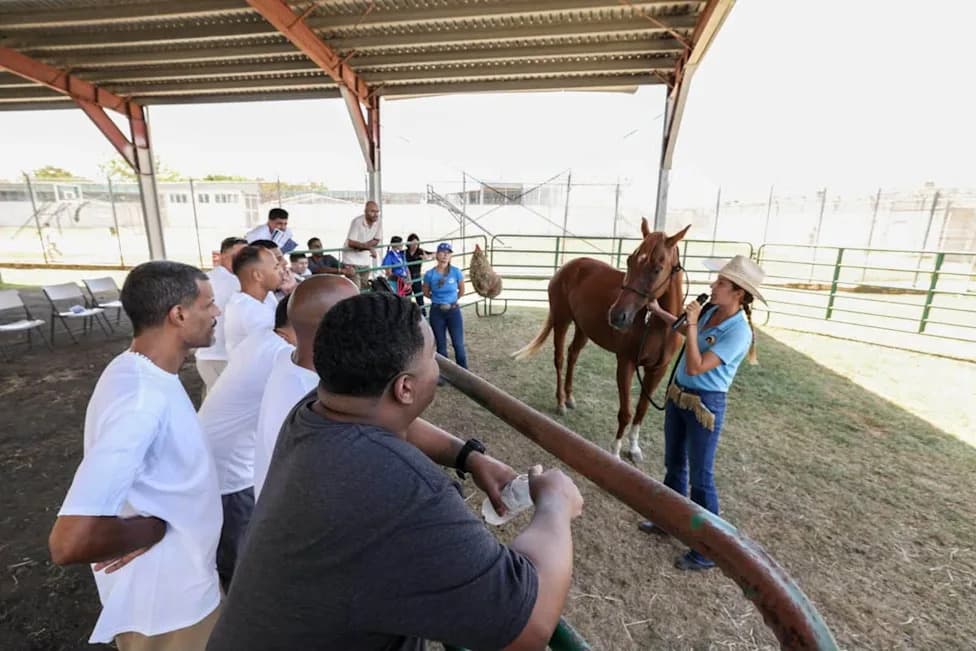
After 16 Years, Caribbean Thoroughbred Aftercare's Prison Equine Program Becomes Reality
Caribbean Thoroughbred Aftercare (CTA) has launched a long-awaited Equine Assisted Learning pilot inside a Puerto Rico correctional facility. The program, called "Paso a Paso" ("Step by Step"), moves horses and structured learning into a corrections setting to teach life and vocational skills.
From Vision To Reality
CTA Executive Director Kelley A. Stobie nurtured the idea for 16 years. The horses, curriculum and training were prepared well in advance; what was needed was the right partnership and a willingness from correctional staff to try a new approach. A pivotal meeting last year at the CTA Equine Academy between Stobie and Saymara Correa, a chaplain with the Department of Corrections Chaplaincy, opened the door to bringing the program inside the institution.
Who Runs The Pilot
"Paso a Paso" is operated by Chaplain Saymara Correa and Chaplain Brenda Couvertier of the Adventist Chaplaincy, together with CTA's Stobie and clinical psychologist Dr. Sáez-Colón. Their multidisciplinary team blends spiritual care, equine expertise and mental-health practice to support participant growth.
Program Goals And Early Impact
As the first program of its kind in Puerto Rico, the pilot introduces participants to equine-assisted learning focused on practical horse care (stable management, handling) and personal skills such as patience, responsibility, effective communication and emotional self-control. Over three months of visits, staff say the bond between horses and participants has been deeply emotional and powerfully transformative.
"These past three months visiting the institution have been unlike anything I have ever experienced. The connection between the horses and the participants was emotionally profound and absolutely incredible."
Funding And Next Steps
"Paso a Paso" is funded entirely through private donations, not government money. Organizers describe the pilot as the beginning of a broader effort to bring equine-assisted learning into spaces that need it. Supporters who wish to contribute can donate at www.ctahorse.com.
This report originally appeared in the Paulick Report on Jul 24, 2026 in the Horse Care section.
Help us improve.