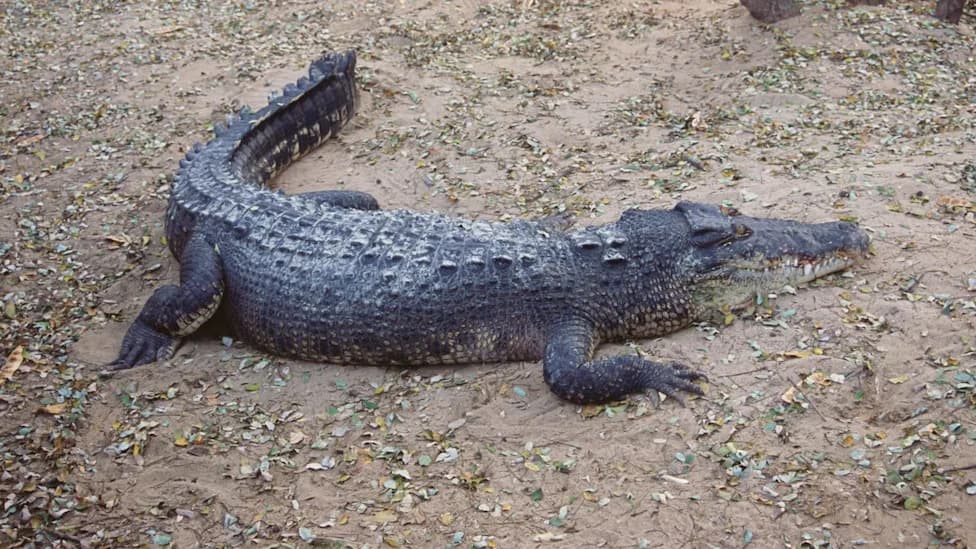
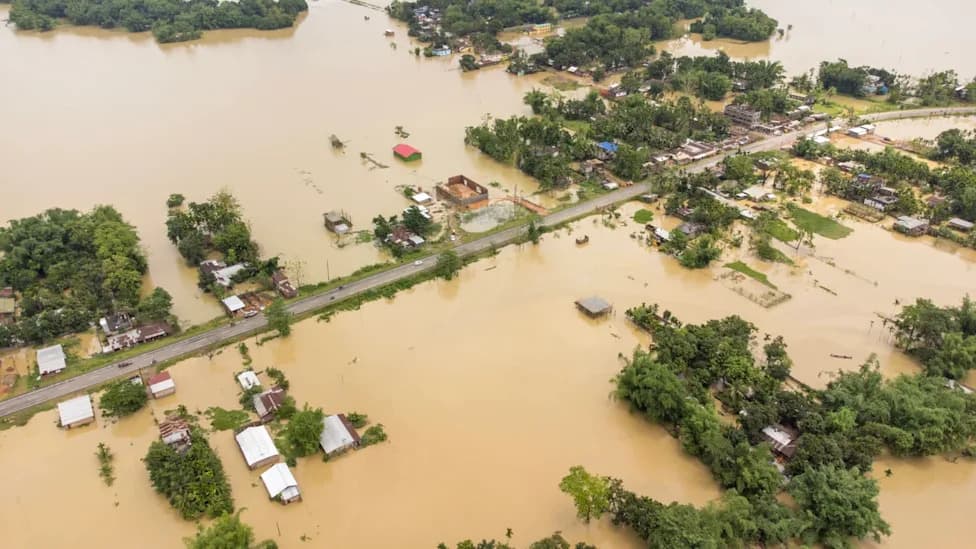
Monsoon floods in western India are driving crocodiles into populated areas around Kota, Rajasthan, including near schools. Virendra Singh Hada, a technical assistant with the Kota Forest Department, has carried out more than 100 rescues this season and has relocated over 800 crocodiles in his career. Officials say the district handles roughly 300 crocodile rescues annually, using bamboo poles, ropes and jute sacks to move animals back to rivers and lakes. The work is dangerous — some crocodiles weigh up to 441 pounds and rescuers have sustained injuries.
Monsoon Floods Drive Crocodiles Into Kota Neighborhoods and Schools — Veteran Rescuer Answers Hundreds of Calls
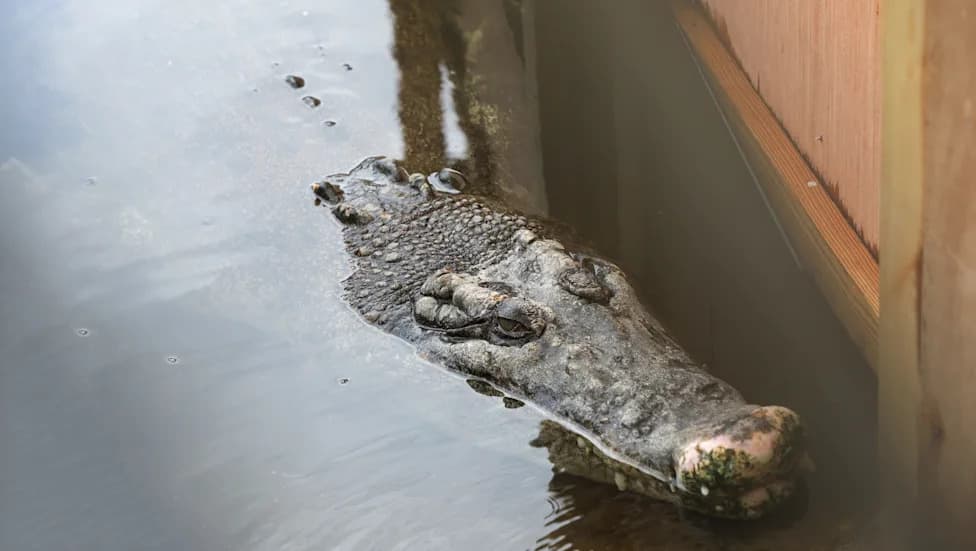
Photo Credit: iStock
Seasonal monsoon floods in western India are pushing crocodiles out of their usual river habitats and into roads, neighborhoods, farms and even near school grounds in Kota, Rajasthan. One man from the Kota Forest Department has become a frontline responder, carrying out repeated rescues to protect both people and displaced wildlife.
One Rescuer, Hundreds Of Rescues
Virendra Singh Hada, a technical assistant with the Kota Forest Department, has conducted more than 100 crocodile rescues just this monsoon season — roughly two to three interventions per day, according to ETV Bharat. Forest officials say Hada has relocated more than 800 crocodiles over the course of his career. He began working in wildlife response after starting as a cattle guard in 1986 and later becoming a technical assistant.
District-Wide Response And The Reason For Sightings
Deputy Conservator of Forests Apoorv Krishna Srivastava says heavy rains generate multiple distress calls each day; the department handles about 300 crocodile rescues across the district every year. Officials link the increase in sightings to the suitable habitat and plentiful food around the Chambal River system. Crocodiles have also been reported in canals, ponds, drains, the Chandraloi River and Kishore Sagar Lake.
How Rescues Are Carried Out
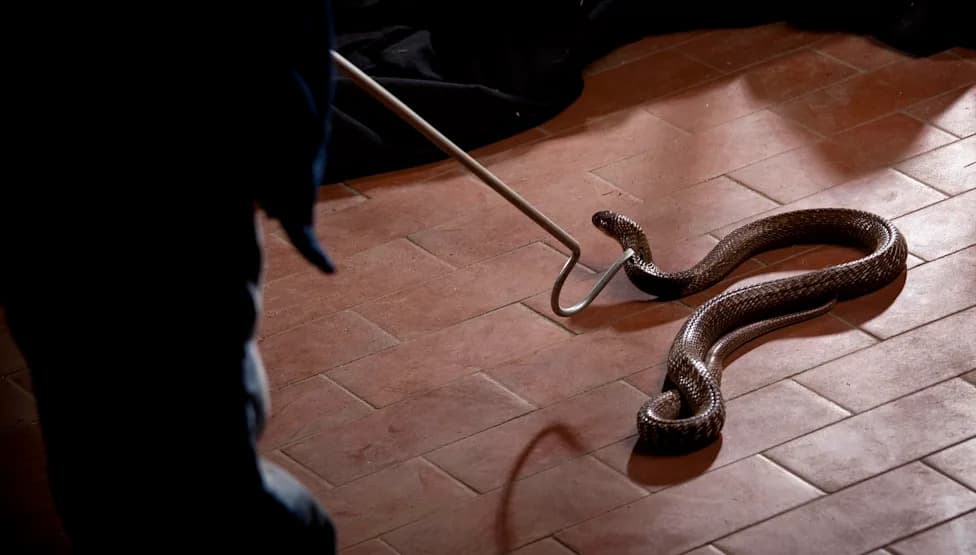
Kota’s rescue teams favor practical, speed-oriented methods over sophisticated gear. Rescuers commonly use long bamboo poles, heavy ropes and jute sacks to secure and move animals to larger water bodies. ETV Bharat describes the typical procedure: a jute sack is placed over a crocodile’s eyes to calm it, rescuers then secure the legs and jaws, and the animal is lifted into a vehicle for relocation to a safer habitat.
Risks And Conservation Considerations
The work is hazardous. Hada says some crocodiles can weigh up to 441 pounds (about 200 kg), and he has sustained bites and claw injuries during past rescues. When floodwaters push wildlife into populated areas, risks rise both for residents — who may encounter stressed or cornered animals — and for the reptiles themselves, which can be injured or killed if trapped in urban settings without a trained response.
“The rains bring multiple distress calls every day,” said Apoorv Krishna Srivastava. “Swift, experienced field responses are crucial to protect people and wildlife.”
Forest officials emphasize the importance of community awareness during the monsoon: reporting sightings to authorities, keeping a safe distance from stranded animals, and avoiding attempts to handle crocodiles without trained personnel. As monsoon flooding continues across Kota, dedicated responders like Hada remain essential to managing human-wildlife conflicts and safeguarding both lives and ecosystems.
Help us improve.