New World screwworms — larvae of a parasitic fly eradicated in the U.S. in 1966 — were detected in South Texas in June 2026 and a case was confirmed in New Mexico by July 23, 2026. Colorado has no confirmed cases but has activated a multiagency response plan and tightened movement rules for animals from affected areas. The USDA and partners are using surveillance and the sterile insect technique, while livestock and pet owners are urged to inspect animals regularly and report any suspicious wounds.
Screwworms Return to the U.S.: Colorado Prepares as Pest Moves North from Texas
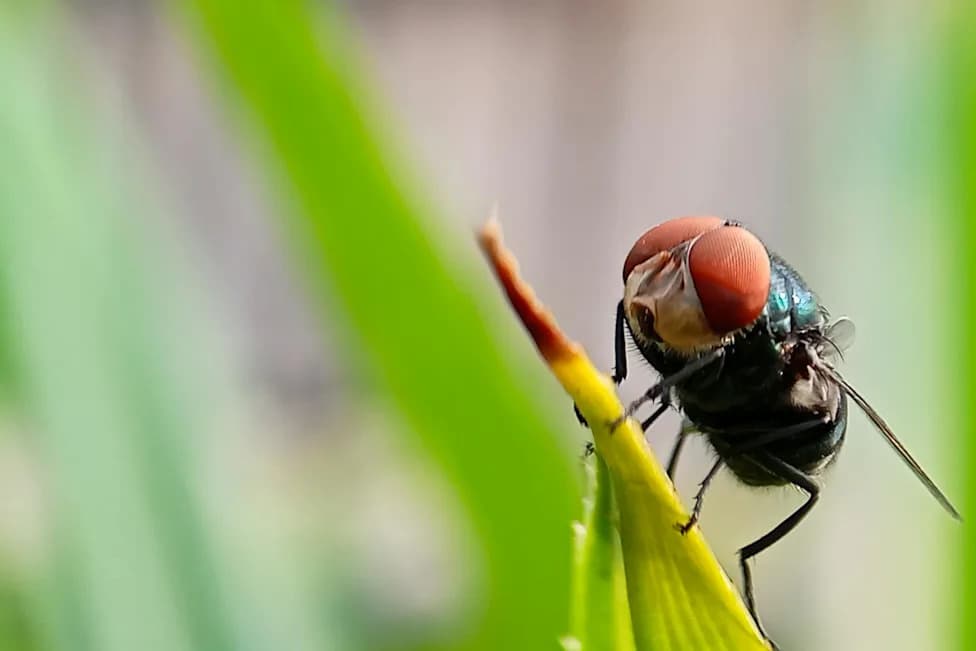
New World screwworm flies lay their eggs in the living tissue of warm-blooded animals.Ramdan Fatoni/iStock via Getty Images
New World screwworm — a parasitic fly once eradicated from the United States in 1966 — was detected in South Texas in June 2026 and was confirmed in New Mexico by July 23, 2026. Colorado has not recorded any cases, but state and federal agencies have activated response plans and stepped up surveillance to limit spread and protect livestock, wildlife and pets.
What Is the New World Screwworm?
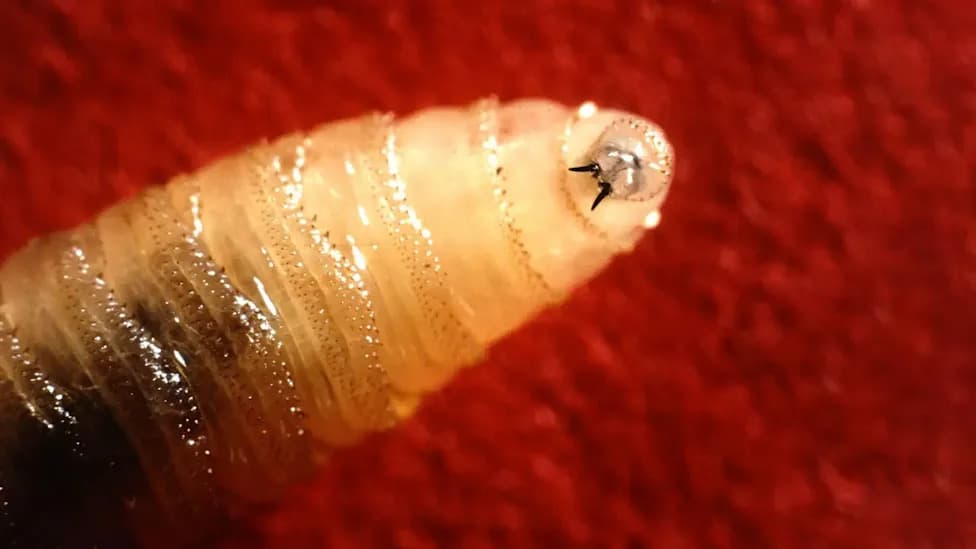
The New World screwworm is the larval stage of a fly species that lays eggs in living tissue of warm-blooded animals. The larvae are named for their screwlike appearance and feed on the host's flesh, enlarging wounds and causing severe tissue damage. Adult flies are roughly the size of a housefly, with orange eyes, a metallic blue or green body and three dark stripes along the back.
Current Situation and Why It Matters
After decades of control, screwworms began moving north from Central America in 2024. Their detection in Texas in June 2026 and the subsequent finding in New Mexico have alarmed livestock producers, animal health officials and pet owners because infestations can lead to production losses, animal suffering and costly management measures.
New World screwworm larvae gets its name from its screwlike appearance. Adult New World screwworm flies are about the same size or slightly larger than a common housefly and have orange eyes, a metallic blue or green body and three dark stripes along their backs.John Kucharski/USDA
Risk to Humans and Animals
The overall risk to people remains low. Screwworms do not spread directly from animals to humans or person to person; human infestations are rare. However, anyone with a suspicious lesion should seek medical attention promptly.
How Authorities Are Responding
The U.S. Department of Agriculture (USDA) has monitored screwworm for decades and, in partnership with Panama, has used the sterile insect technique (SIT) to control populations. SIT involves sterilizing male flies with gamma radiation and releasing them in large numbers so that wild females mate and produce infertile eggs, reducing populations over time.
Because the flies moved northward, the USDA closed the Mexican border to live cattle and horses in July 2025 as a precautionary step; that closure has had negative consequences for the U.S. beef industry. Federal, state and local agencies have increased surveillance, instituted animal movement controls and prepared response playbooks to ensure coordinated action if new cases appear.
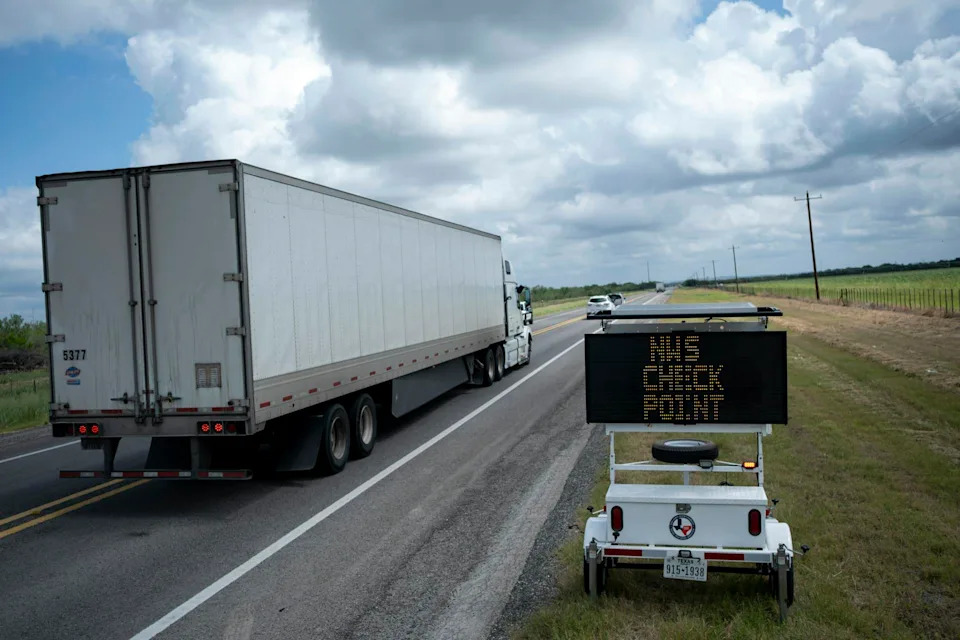
Southern border states are actively monitoring screwworms through livestock checkpoints.Joel Angel Juarez/Getty Images
Colorado's Preparations
Colorado has a multiagency emergency response plan that coordinates the Colorado Department of Agriculture, Colorado Parks and Wildlife, the Colorado Department of Public Health and Environment and the USDA. Key actions already in place include:
- Enhanced inspection requirements and movement certificates for animals entering Colorado from affected areas.
- Laboratory readiness: Colorado State University Veterinary Diagnostic Laboratories, a member of the National Animal Health Laboratory Network, will support testing and surveillance if suspected cases arise.
- Public guidance and outreach to livestock producers, veterinarians and pet owners on prevention and detection.
Detection, Reporting and Treatment
Screwworm is diagnosed by finding larvae on an animal. Veterinarians collect larvae and submit suspect samples to USDA's National Veterinary Services Laboratories (NVSL) for official confirmation. If screwworm is confirmed in Colorado, state and federal officials will investigate the source, implement local control measures and work with producers to contain the infestation.
Culling entire herds is not the standard eradication strategy. Instead, affected animals are isolated, movements are temporarily restricted, and targeted treatments are applied. Early detection is critical: treated animals can fully recover when infestation is identified promptly.
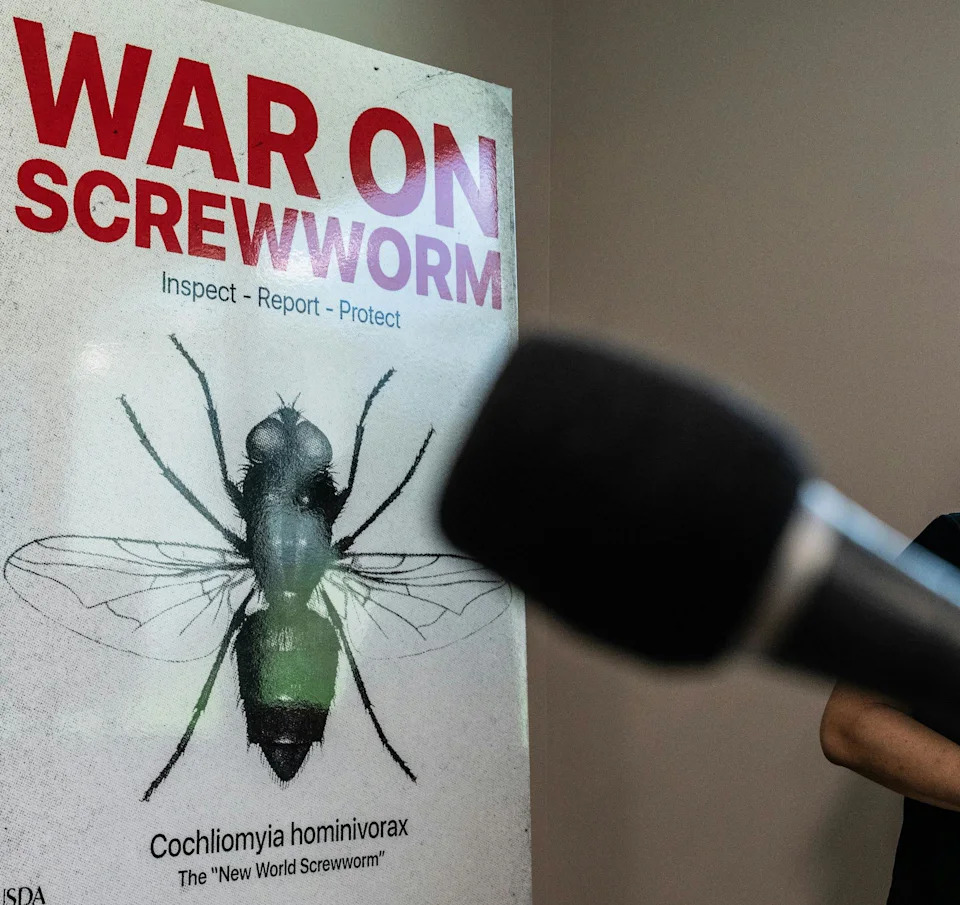
A USDA press conference provides updates on screwworms in Kerrville, Texas, on June 9, 2026.USDAgov/Flickr
Prevention and What Owners Should Do
Livestock and pet owners should take practical steps to reduce risk and spot infestations early:
- Keep animal housing and pastures clean and dry; remove manure and debris that attract flies.
- Use integrated fly control: insecticides, barn treatments, fly traps and regular veterinary fly management plans.
- Inspect animals frequently for wounds that drain fluid, have a foul odor or appear to enlarge. Watch for signs of discomfort such as restlessness, excessive licking or biting at wounds, head-shaking, reduced appetite or separation from the herd.
- Contact your veterinarian immediately with any suspicion of larvae. For suspected cases in Colorado, report to the Colorado State Veterinarian's Office or the USDA area veterinarian in charge; for wildlife concerns, contact Colorado Parks and Wildlife.
Why Screwworms Reemerged
Experts have not named a single cause for the reemergence. Shifts in climate, habitat ranges and human activity are changing where pests and disease carriers can survive and spread. Colorado’s higher elevations and cold winters make long-term establishment of screwworm less likely across much of the state, but vigilance remains essential.
Bottom line: No cases in Colorado as of July 23, 2026, but the state is prepared. Early detection and reporting, strong coordination among agencies and good on-farm biosecurity remain the best defenses.
Help us improve.