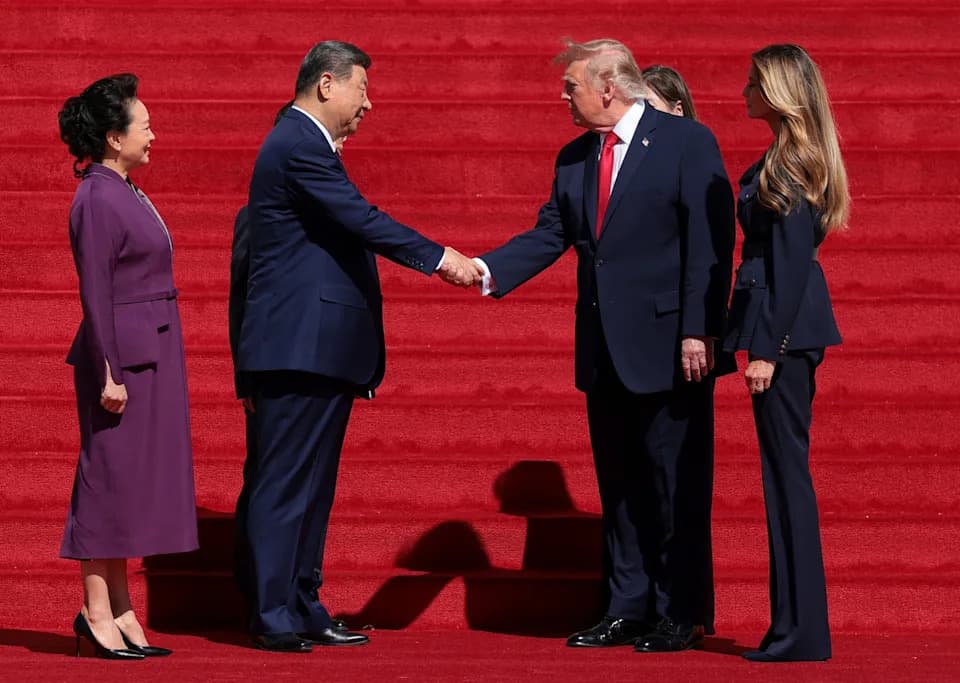
Ezra Jin Mingri, 57, was unexpectedly released on July 3 after 266 days in detention and flown to the United States following a private intervention in which President Trump raised his case with Xi Jinping. Prosecutors held a brief airport hearing and then declined to indict him on charges tied to operating an unregistered church. Jin reunited with his family in Los Angeles, received a one-year U.S. visa, and said he will now advocate for other detained Chinese Christians.
From Jail Cell to Fireworks: Chinese Pastor Freed After Trump Raised His Case
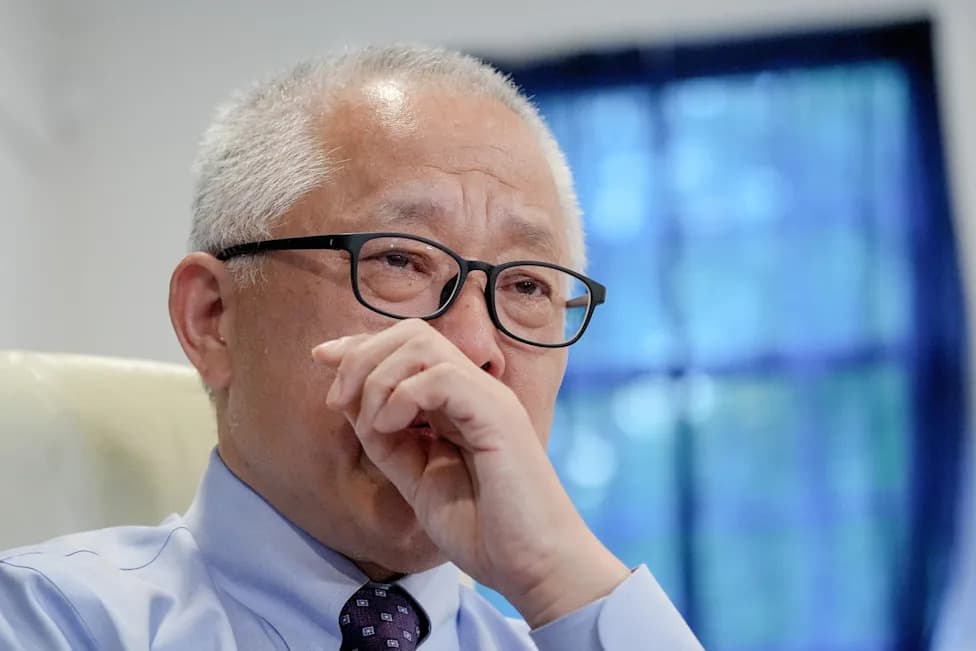
Chinese pastor Ezra Jin Mingri becomes emotional during an interview with The Associated Press in Maryland, Wednesday, July 22, 2026 . (AP Photo/Mariam Zuhaib)(AP Photo/Mariam Zuhaib)
Ezra Jin Mingri, a 57-year-old leader of one of China's most prominent unregistered Christian congregations, described a surreal 24 hours that took him from a detention center in southern China to an Independence Day celebration with family in Los Angeles.
Jin said he woke on the morning of July 3 expecting to remain behind bars — he had been detained since October and said he had spent 266 days in custody — but was unexpectedly summoned to collect a few belongings, given fresh clothes and a pair of shoes, and escorted by police to a high-speed train bound for Guangzhou. From there he was taken to an international airport and, after a brief, improvised airport hearing, was allowed to board a flight to the United States.
Airport Hearing and Release

Grace Jin Drexel shows the old photos of her father after an interview with The Associated Press in Maryland, Wednesday, July 22, 2026 . (AP Photo/Mariam Zuhaib)(AP Photo/Mariam Zuhaib)
At a temporary court session held in a VIP lounge at the airport, prosecutors read a document stating that criminal evidence had been reviewed. Although the document said criminal facts were established, the lead prosecutor informed Jin that he would not be indicted on charges including illegal business activity and fraud related to operating an unregistered church. Jin said he was not forced to confess or subjected to any show trial; instead the charges were dropped and he was handed his passport.
U.S. Involvement and Trump's Role
Jin told reporters his sudden release came after President Donald Trump raised his case with Chinese leader Xi Jinping during a May visit. Jin said he did not know whether a formal deal or swap was involved; he credited what he called Trump’s "unique diplomacy." The Chinese foreign ministry responded that China manages religious affairs according to its laws and opposes outside interference.
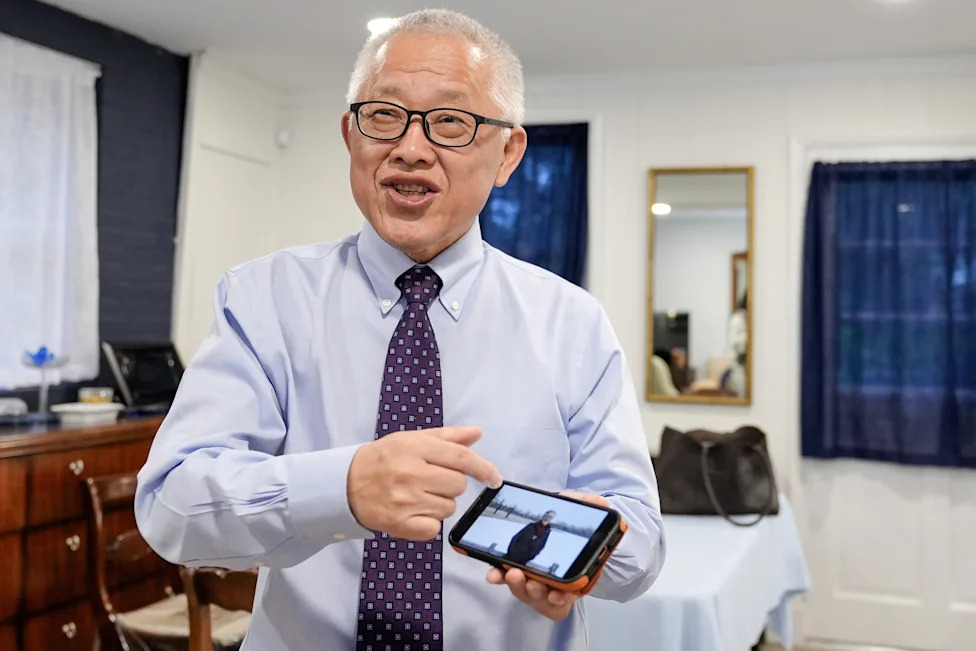
Chinese pastor Ezra Jin Mingri shows his photos after an interview with The Associated Press in Maryland, Wednesday, July 22, 2026 . (AP Photo/Mariam Zuhaib)(AP Photo/Mariam Zuhaib)
Background: Zion Church
Jin founded Zion Church in 2007. The congregation grew into one of China’s most influential independent churches after refusing Communist Party oversight and surveillance measures; Beijing closed the church’s physical sanctuary in 2018 after the congregation declined to install cameras. Jin sent his family to the U.S. but remained in China to sustain the church through small-group meetings and online services, especially during the COVID-19 pandemic.
In October, Jin and other church leaders were detained during a government crackdown. He says he remained hopeful but feared long prison terms until his abrupt transfer and release in July.
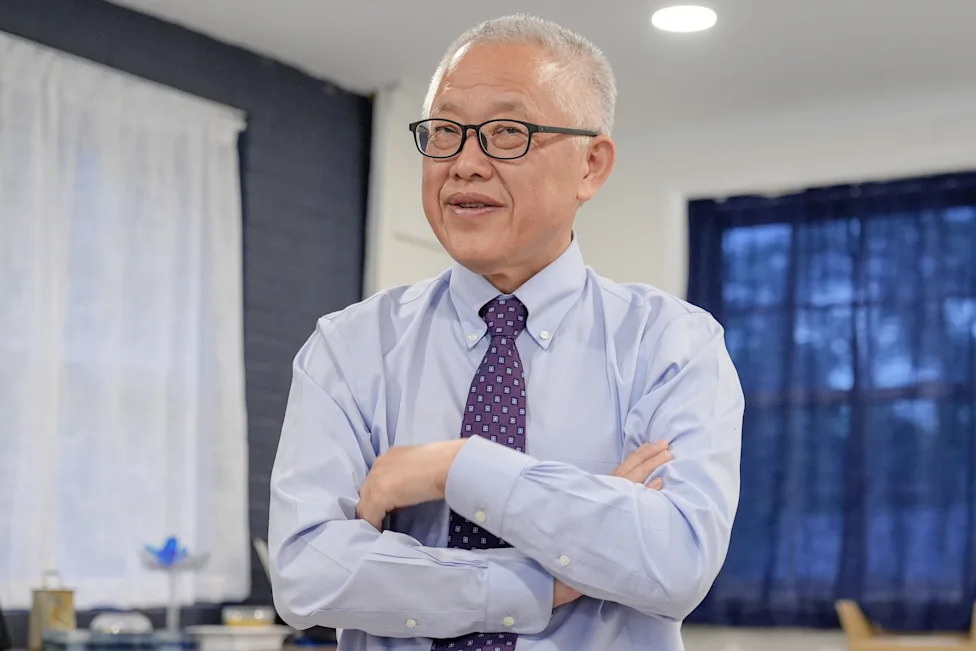
Chinese pastor Ezra Jin Mingri talks after an interview with The Associated Press in Maryland, Wednesday, July 22, 2026 . (AP Photo/Mariam Zuhaib)(AP Photo/Mariam Zuhaib)
Arrival in the United States
Jin said a U.S. diplomat was waiting at the airport when he arrived; he spent the nearly 13-hour flight to Los Angeles too excited to sleep. U.S. officials greeted him on arrival and provided a fee-free, one-year visa. He was reunited with family after years apart and met three grandchildren for the first time, including a newborn about a month old. His daughter, Grace Jin Drexel, who had lobbied in Washington for months, said he looked visibly older and had lost significant weight.
Advocacy Going Forward
Now in the U.S., Jin said he will press for the release of at least eight other Zion Church members and other detained Christians in China, including Wang Yi of the Early Rain Covenant Church, who is serving a nine-year sentence. Jin met with House Speaker Mike Johnson and relatives of detained Christians and urged continued bipartisan advocacy for religious freedom.
"I am free in this country, so warmly welcomed; I will not forget that many more are still detained," Jin told reporters, choking up. "Probably the most important wish in my lifetime is that Chinese churches can be recognized by their own government."
Observers note the case is an uncommon public example of a high-profile detainee being released after a U.S. leader raised the matter with Beijing. China’s government has otherwise shown increasing resistance to external pressure on domestic legal and religious affairs.
Help us improve.