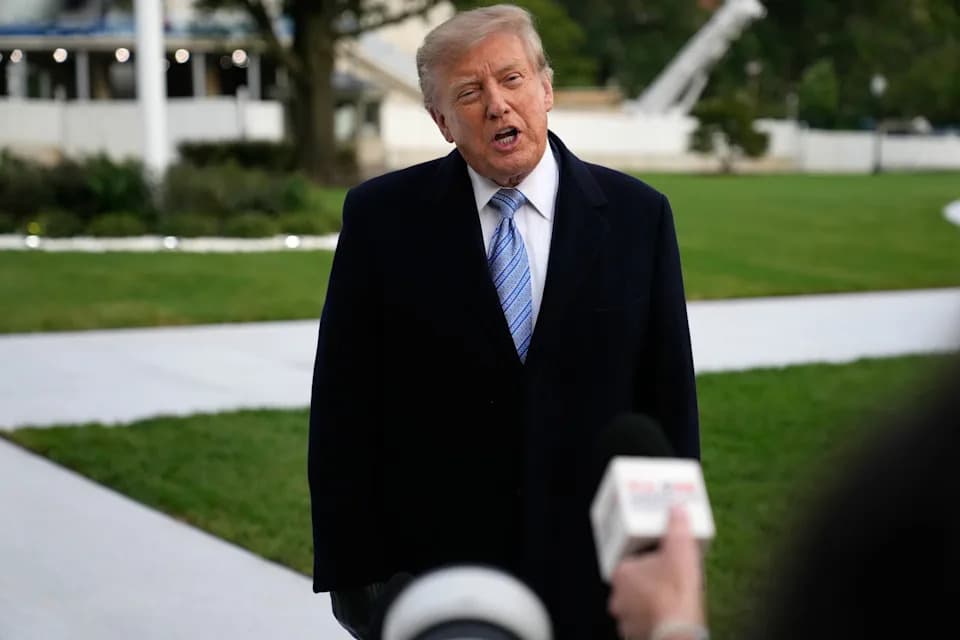
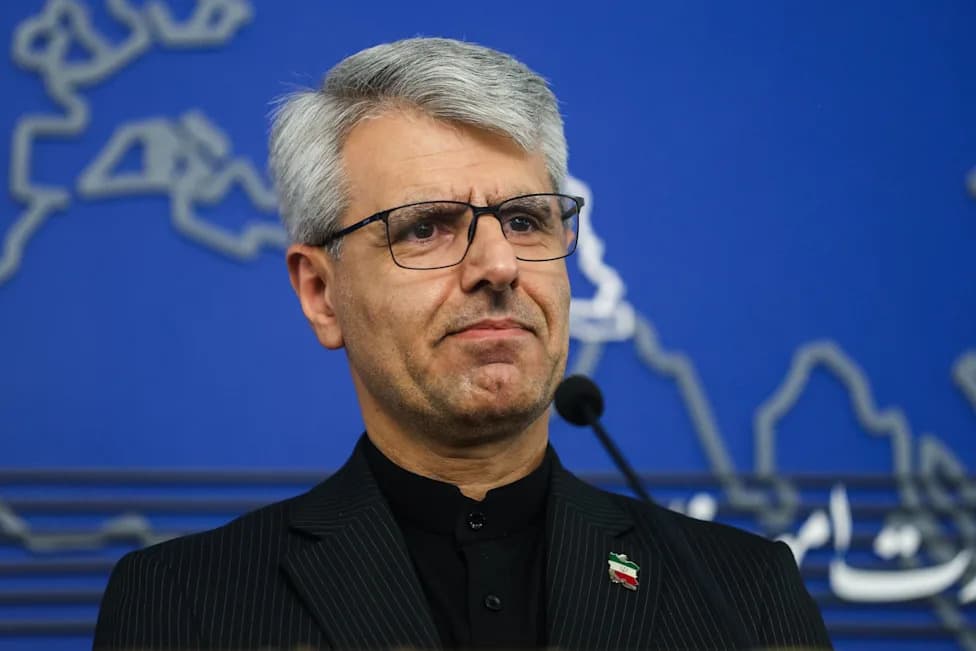
Iran condemned President Trump’s proposal to use frozen Iranian funds to pay for damage to commercial ships, calling it an "incendiary precedent." Foreign Minister Abbas Araghchi warned that normalizing asset confiscation would threaten global financial security. Trump said funds held by the US would cover any harm to ships or cargo amid tensions around the Strait of Hormuz, while legal and geopolitical experts note the move’s legal basis remains unclear.
Iran Slams Trump Plan To Use Frozen Funds For Ship Damages, Calls It An "Incendiary Precedent"
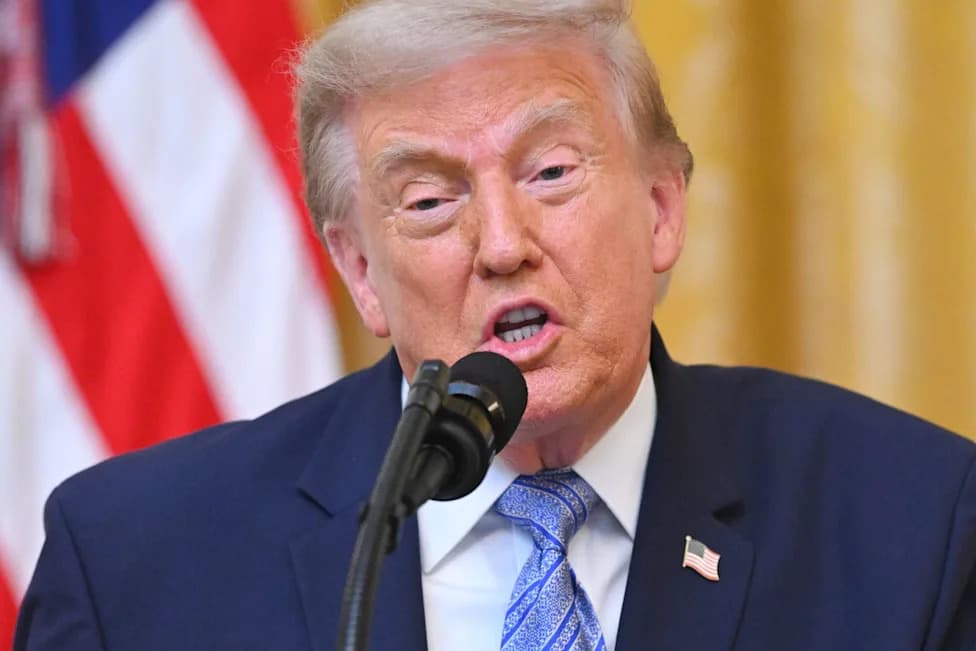
FILE PHOTO - US President Donald Trump addresses the nation from in the East Room of the White House in Washington. (is associated with: «Iran warns over Trump's plan to use frozen assets for ship damages») Saul Loeb/PI via ZUMA Press Wire/dpa
Iran has strongly condemned US President Donald Trump’s suggestion that frozen Iranian assets held by the United States could be used to compensate for damage to commercial vessels. Foreign Minister Abbas Araghchi warned that allowing one country’s assets to be seized to satisfy unrelated future claims would create a dangerous precedent with broad global implications.
What Was Said
Araghchi wrote on X that such a move would normalize confiscation and put international financial security at risk. He warned:
"Once governments normalize confiscation, no one's assets are safe. Ensuing chaos will not be pretty or peaceful."
President Trump wrote on his Truth Social platform that "any and all damages done to Ships, Cargo, or anything related thereto, will be paid for by Iranian Money that the United States has in its possession, and controls." He framed the step as a fair way to hold Iran financially responsible for harm to ships or cargo amid growing tensions around the Strait of Hormuz.
Legal And Geopolitical Context
It remains unclear what legal mechanism the US administration would use to repurpose frozen Iranian assets for such claims. International law, sanctions regimes and domestic legal processes can complicate attempts to seize or reallocate sovereign funds, and experts say precedents could trigger retaliatory measures or legal challenges.
The comments come as tensions in the Gulf have intensified. Iranian forces reportedly fired on commercial vessels in the Strait of Hormuz earlier this month, and the US military has carried out strikes against targets in Iran in recent days, saying its actions aim to deter further attacks on commercial shipping and personnel. The Strait of Hormuz is a critical global oil transit route, amplifying the potential economic consequences of any escalation.
Why It Matters
Beyond the immediate diplomatic fallout, the episode raises broader concerns about the stability of international financial norms. If states begin to seize frozen assets to resolve unrelated disputes, countries and businesses could face greater uncertainty about the safety of assets held abroad.
Help us improve.