Massachusetts lawmakers added a provision to bill S.3178 that would allow two‑family homes and duplexes in neighborhoods now limited to single‑family houses, a move intended to expand housing supply and ease affordability pressures. The bill also includes about $325 million in economic commitments—targeting defense, AI and small businesses—and creates incentives for cities that adopt pro‑housing policies. Proposed guardrails include septic rules, site‑plan reviews and a 90‑day review goal; voters will separately consider a fall ballot measure to allow single‑family homes on 5,000‑square‑foot lots.
Massachusetts Proposes Ending Single‑Family Zoning: Duplexes Allowed Statewide to Tackle Housing Shortage

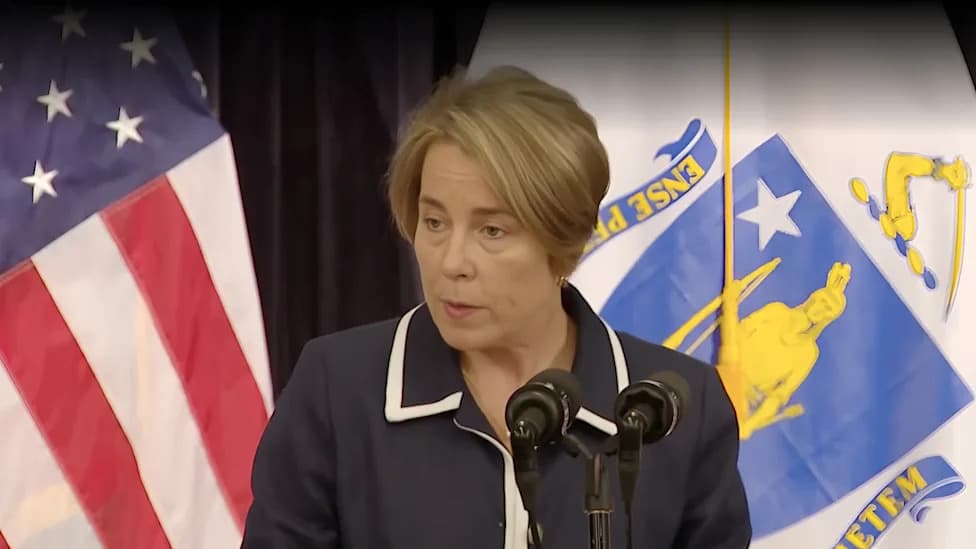
Massachusetts state Sen. Julian Cyr said the new bill would encourage homebuilding. (The Boston Globe via Getty Images)
Massachusetts lawmakers have proposed a major change to local zoning rules that could effectively end single‑family‑only neighborhoods across the state.
The change is embedded in a broad economic development bill, S.3178, which would permit two‑family homes and residential duplexes in any residential district that currently allows single‑family houses. Supporters say the measure is intended to expand housing options and ease the state's persistent affordability problems.
Why Lawmakers Are Pushing the Change
State Sen. Julian Cyr (D–Cape Cod) framed the provision as a practical, small‑scale approach to increasing supply: “These two‑family homes are not large apartment buildings. They aren't large‑scale developments. They're often built by small contractors. But we think they can make a big difference in making Massachusetts more affordable.”
Realtor.com ranked Massachusetts the second‑worst state this year for homebuilding and affordability. With a median listing price of $763,660 and a median household income of $99,357, only New York ranks worse.
What the Bill Includes
S.3178 carries roughly $325 million in targeted economic commitments and several housing reforms. The spending and priorities in the bill include:
- $100 million to support defense industry jobs;
- $75 million for artificial intelligence development;
- $45 million to strengthen business districts and small businesses.
Beyond funding, the bill contains multiple housing‑focused provisions: it would create grant incentives for cities that adopt pro‑housing policies, streamline home inspector licensure to expand the inspector workforce, and set a target for faster reviews of proposed housing projects.
Guardrails and Local Controls
The Senate emphasizes that the two‑unit allowance would include guardrails. Proposed developments would be subject to septic requirements, site‑plan reviews, and other local rules that limit placement and design. The bill also sets a goal of a 90‑day decision deadline for site‑plan reviews and tackles the timing of hearings, appeals and other approvals to speed project timelines.
“The provision doubles down on the Senate's commitment to rapidly grow the state's housing supply and meet demand,” the Senate said in a news release.
Voter Initiative and Local Impact
Separately, Massachusetts voters will have a chance this fall to weigh in on a ballot initiative that would allow single‑family homes on smaller lots. That measure would permit single‑family houses on lots as small as 5,000 square feet (about 0.11 acre) while allowing cities and towns to "reasonably regulate" height, open space and parking.
If approved, the combined effect of the legislative change and the ballot measure could significantly increase the number and variety of homes built across Massachusetts, particularly modest two‑unit buildings and smaller single‑family lots. Critics and proponents alike note the balance between increasing supply and preserving neighborhood character will depend heavily on the specific local implementation and the scope of the bill's exemptions and review processes.
Bottom line: S.3178 seeks to shift how residential land is used in Massachusetts, pairing a statewide move toward allowing duplexes with funding for economic priorities and procedural reforms aimed at speeding housing production.
Help us improve.