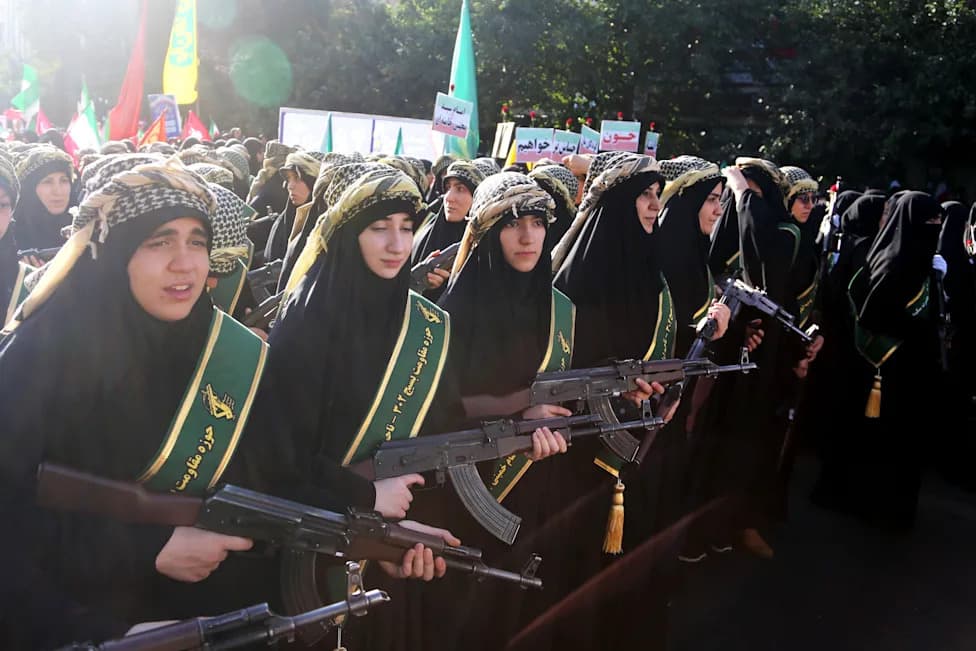
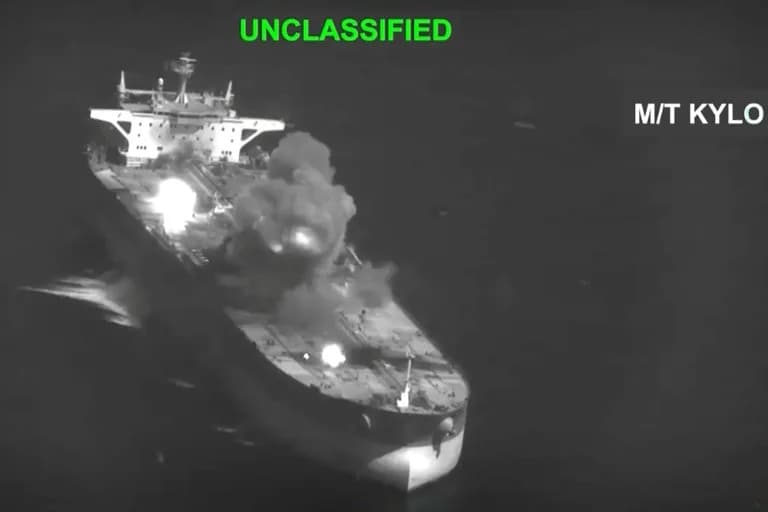
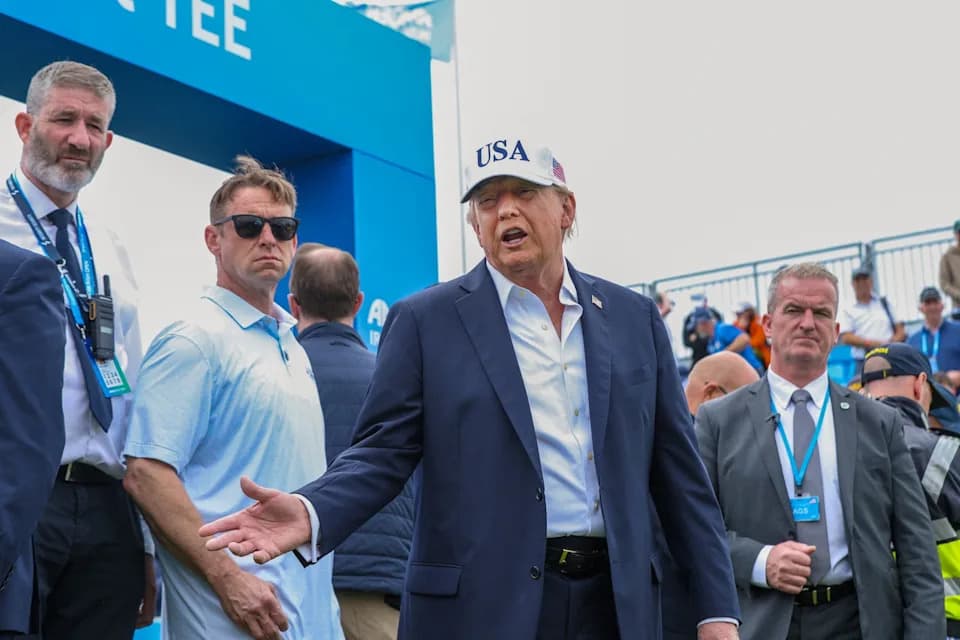
President Trump told Axios he is "considering a massive attack" on Iran after Tehran launched missile and drone strikes across the Gulf, including a strike on a Kuwaiti telecommunications tower. The IRGC said its strikes hit US assets in Jordan and Kuwait, while Kuwait reported drone strikes at the Abdali border crossing. Houthi attacks on Saudi tankers and port blockades have further inflamed tensions, pushing Brent crude above $100 a barrel and prompting UN warnings about the risk of broader escalation.
Trump Says He Is "Considering A Massive Attack" On Iran After Tehran Strikes Targets Across Gulf
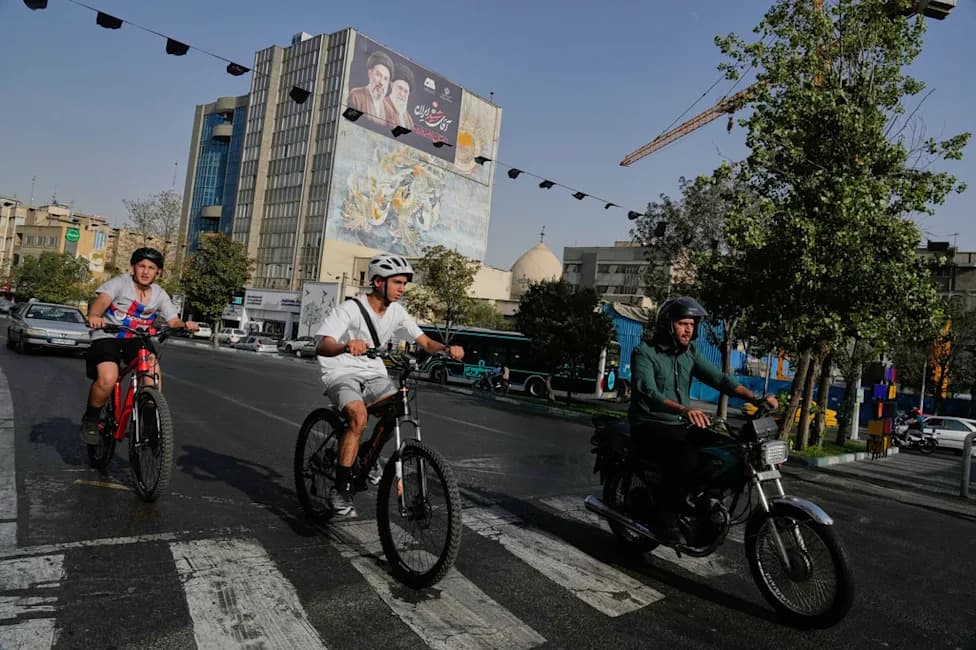
A man rides on his motorbike as boys ride on their bicycles in downtown Tehran, July 22 [File: Vahid Salemi/AP Photo]
United States President Donald Trump told Axios on Thursday he is "considering a massive attack" on Iran that would be "bigger than ever before," saying he was "close to making a decision." His comments came as tensions in the Gulf region escalated after another round of strikes and counterstrikes involving Iran, the US and several regional actors.
Escalation Across the Gulf
According to Iranian media, the United States has struck Iranian targets for 12 consecutive nights, reportedly hitting bridges and tunnels. Iran responded with missile and drone strikes on targets in Jordan, Bahrain and Kuwait. Iran's Islamic Revolutionary Guard Corps (IRGC) said the strikes in Jordan and Kuwait hit US military assets; these claims have not been independently verified.
The IRGC acknowledged it attacked a telecommunications tower in Kuwait, saying the action was in retaliation for US strikes on telecom infrastructure inside Iran. In a statement addressed to the Kuwaiti people, the IRGC accused the United States — not Iran — of violating Kuwait's "territorial integrity and sovereignty." Kuwaiti authorities also reported that the Abdali border crossing with Iraq was struck by what they described as "hostile drones."
Regional Fallout
Iranian Foreign Minister Abbas Araghchi warned that Tehran would reply "an eye for an eye" to any further attacks, including those on Iran's infrastructure. An Iranian army spokesperson, Mohammad Akraminia, said the country's "retaliatory attacks will continue as long as the US attacks on the country's infrastructure and coastal areas continue."
Separately, Yemen's Houthi rebels widened the confrontation by firing on two Saudi tankers in the Red Sea and declaring a blockade of some Saudi ports. The Houthis have also threatened the Bab al‑Mandeb shipping lane, raising fears of disruption to another critical global route.
"The situation is getting out of control. It is teetering on the edge of the unimaginable," UN Secretary‑General Antonio Guterres told the Security Council. "One crisis feeds another. One escalation triggers the next."
Economic Impact
Markets reacted to the rising risks: Brent crude rose above $100 a barrel on Thursday, its first close above that level in May. Analysts warned that much of the world's spare oil production capacity has been used and inventories are lower than before the conflict, leaving the market with fewer buffers against a prolonged supply disruption. Janiv Shah, vice president at Rystad Energy, said these factors could amplify the global economic impact if hostilities continue.
Reporting from Sanaa, Al Jazeera quoted Houthi sources saying Saudi Aramco facilities "could become a future target" if Riyadh does not lift its blockade of Houthi‑controlled ports.
What Remains Unclear
Many details remain contested: claims by the IRGC about striking US assets have not been independently confirmed, and rival statements from regional governments are still emerging. The risk of wider regional escalation — and the potential for significant economic consequences — continues to prompt international concern.
Help us improve.