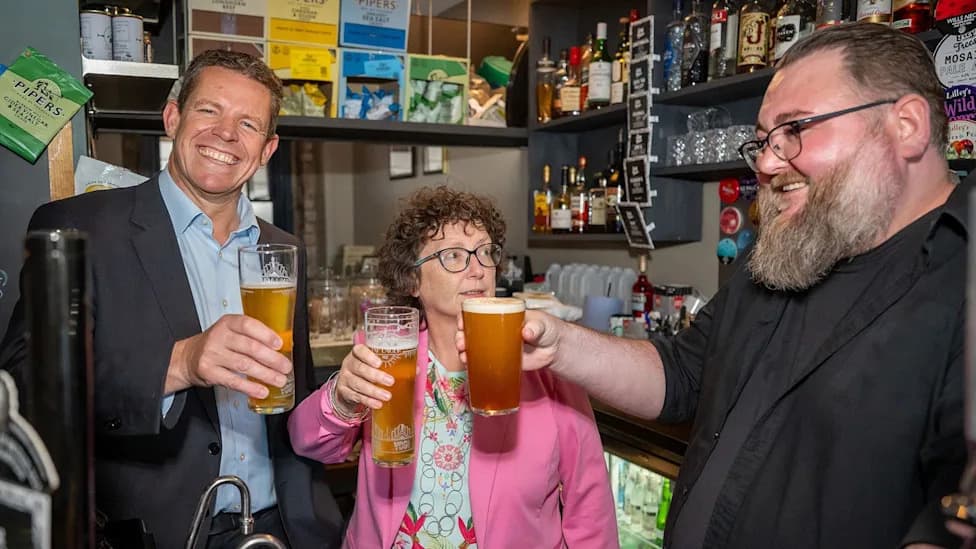
Edinburgh has introduced a 5% visitor levy on overnight accommodation, capped at five nights, and expects to raise around £45m–£50m by 2028/29. Funds must be reinvested in services substantially used by visitors and have already been allocated to housing, cultural restoration, public toilets and a new event policing unit. Exemptions apply for groups such as homeless people, domestic abuse victims, asylum seekers and some people on disability benefits; eligible guests can claim refunds. The move has support from council leaders but criticism from cultural organisations and accommodation providers over costs and collection guidance.
Edinburgh Introduces 5% Tourist Tax: Who Pays, What It Funds and Who Is Exempt

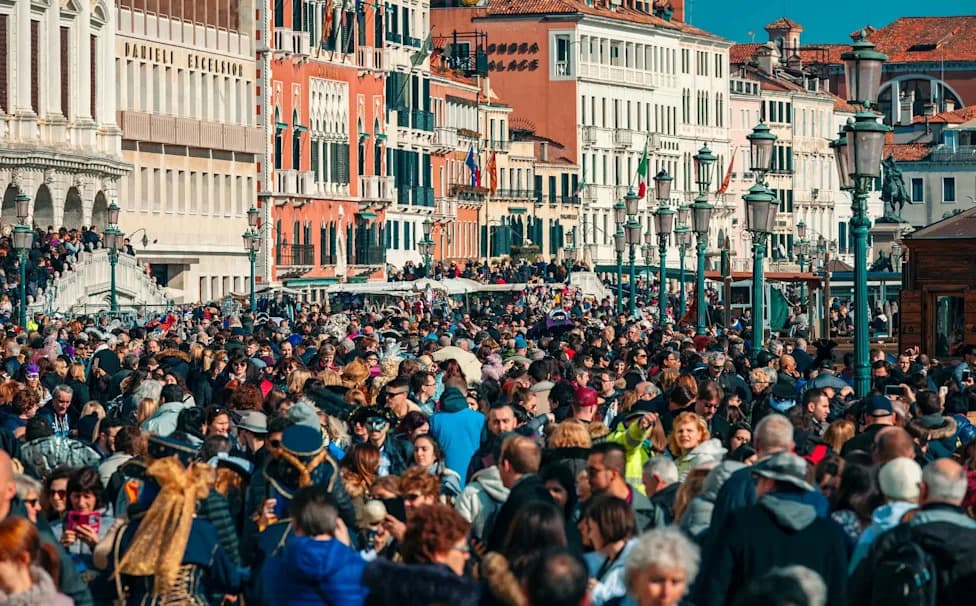
Thousands of people descend on Edinburgh during the festival season in August [PA Media]
Edinburgh has become the first city in Scotland to introduce a 5% visitor levy on overnight accommodation, a charge that comes into effect this Friday. The city council says the money will be reinvested in services and facilities substantially used by visitors, while critics warn it risks adding costs for cultural organisations and confusing businesses that must collect the charge.
How the Levy Works
The visitor levy is set at 5% of the accommodation price and is collected by accommodation providers — hotels, B&Bs, guest houses, hostels, aparthotels, self-catering apartments and holiday lets (including short-term lets such as Airbnb). It also applies to boats moored in one place, caravan and campsite stays and student lets when not being used by Edinburgh students.
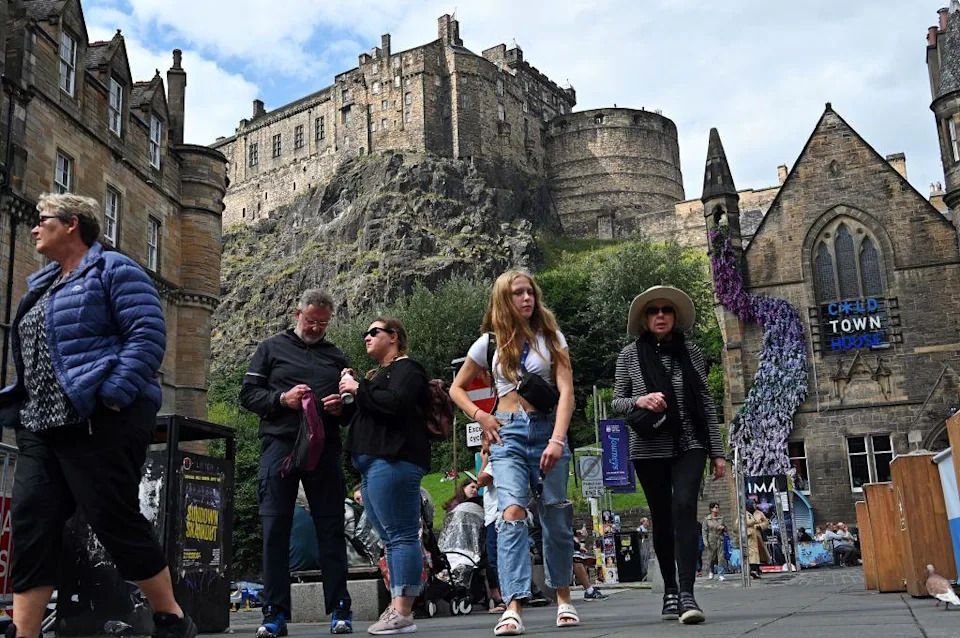
Edinburgh Castle is a big draw for tourists [Getty Images]
The charge is capped at five nights per stay. For example, a £100-per-night room for five nights (total £500) attracts a £25 levy, bringing the bill to £525; the same room for 10 nights would still attract only that £25 cap. The rate does not vary by season.
Exemptions And Claims
Certain groups are exempt. These include people presenting as homeless and accommodated in emergency housing, those at risk of domestic abuse or violence, people temporarily rehoused because of poor living conditions, asylum seekers and refugees, and some recipients of disability benefits. Eligible guests will pay the levy at booking or check-in but can claim reimbursement later.
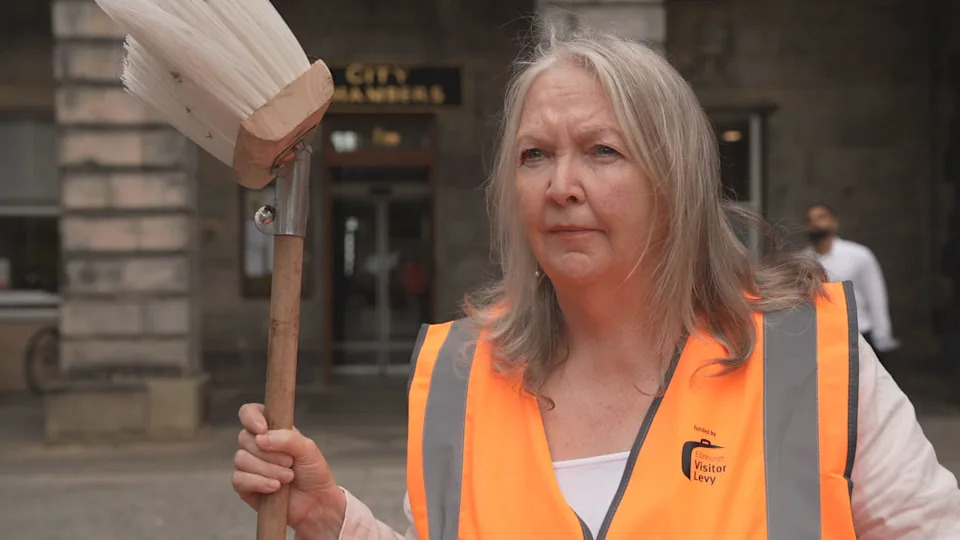
Council leader Jane Meagher said the charge had the potential to bring 'huge benefits' [BBC]
Revenue, Planned Spending And Oversight
City of Edinburgh Council estimates the levy will raise roughly £45m–£50m by the 2028/29 financial year; council statements have also referenced hopes of about £50m a year when fully established. By law, revenue must be reinvested in local services and facilities substantially used by business and leisure visitors.
Already approved allocations include a £5m fund to build 472 homes between 2026/27 and 2028/29, £5m toward restoring Leith Theatre, £3m for the Old Royal High School music centre project, and £3m for new or upgraded public toilets. About £1m has been earmarked to fund a dedicated city-centre policing unit to support events (one inspector, three sergeants and 45 constables). Accommodation providers will be reimbursed for administration costs of collecting the levy, receiving roughly 2% of the overall pot. A full review of the scheme is planned for 2029.
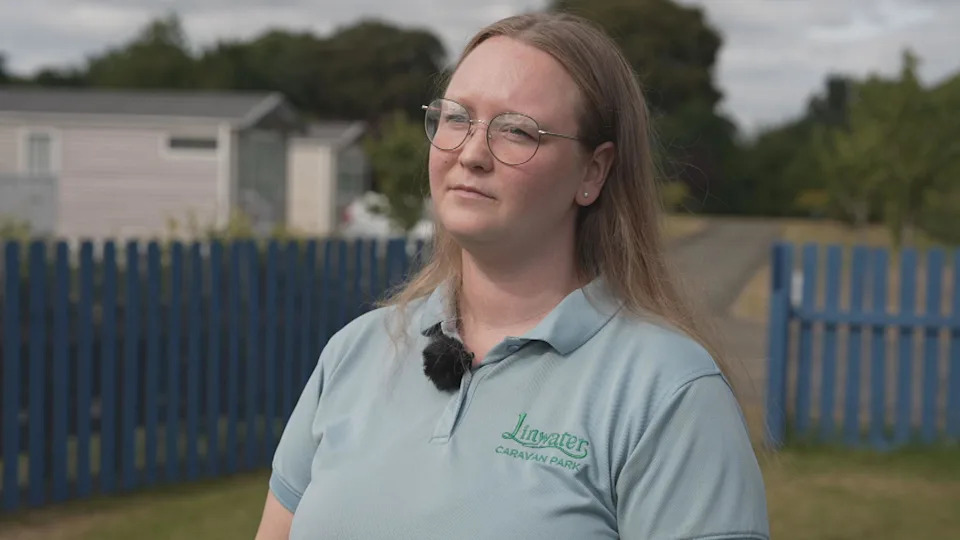
Ellie Jeffrey said the charge was causing 'frustration' for some regular guests [BBC]
Timing And Local Context
The charge is being introduced ahead of Edinburgh's busy August festival season, which includes the Edinburgh International Festival, the Fringe, the Book Festival, the Film Festival and the Royal Military Tattoo. The levy applies only to overnight stays — day visitors travelling into the city do not pay.
Edinburgh follows other UK cities that have introduced visitor levies: Manchester introduced a charge in 2023 and Liverpool in 2025. Glasgow plans a 5% levy from January 2027 and Aberdeen has signalled a 7% charge could start in April 2027. Several other regions, including the Scottish Borders, Dumfries and Galloway, Orkney and Shetland, have rejected levies.
Industry Reaction And Concerns
Council leader Jane Meagher said the levy could bring "huge benefits", arguing that growing visitor numbers increase the cost of maintaining city standards and that visitors should contribute. Roddy Smith, chief executive of Essential Edinburgh, said additional income should deliver visible improvements in cleanliness, security and visitor services.
Critics include Scottish Ballet, which says the levy adds about £200,000 to its accommodation costs and has contributed to cuts in touring performances. The Association of Scotland's Self-Caterers warned of inconsistent guidance for businesses collecting the charge, leaving operators to devise their own collection and remittance methods. Local accommodation managers have also reported frustration among nearby residents staying short breaks who feel unfairly charged.
Possible Changes Ahead
Holyrood passed the Visitor Levy (Amendment) (Scotland) Bill before the 2026 election, allowing councils to switch from a percentage levy to a flat fee. The amendment includes an 18-month lead-in period for planned schemes (reduced to six months for schemes already operating) and requires authorities to consider revoking schemes after a three-year review.
Bottom line: the levy will increase the cost of overnight stays in Edinburgh by up to 5% (capped at five nights), raise tens of millions for visitor-focused services and has both supporters who expect visible local benefits and detractors concerned about cost, clarity and impact on arts and small accommodation providers.
Help us improve.