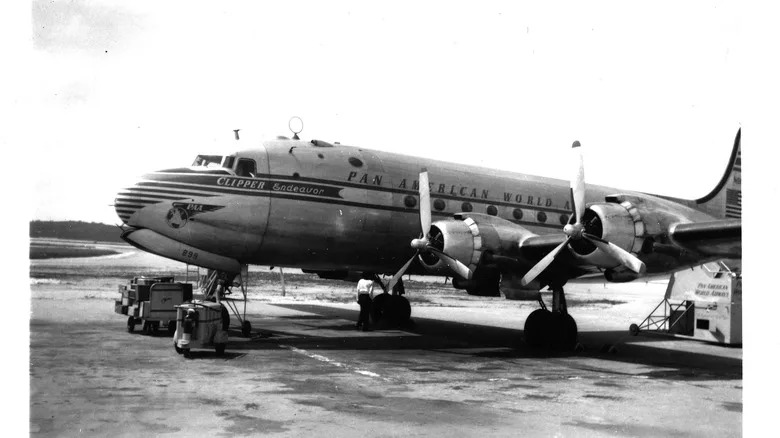
The Clipper Endeavor, Pan Am Flight 526A, has been located about 2,000 feet beneath the Atlantic roughly five miles off San Juan, Puerto Rico. The Douglas DC-4 crashed on April 11, 1952, after multiple engine failures, killing 52 of 69 people on board. A survey led by the Air/Sea Heritage Foundation and Deep Sea Vision used the AUV 'Miss Millie' to find the wreck on pass 13 and record about 350,000 images. The site will remain undisturbed as a grave while the data helps historians and families seek closure.
Lost for 75 Years: Pan Am’s Clipper Endeavor Located 2,000 Feet Under the Atlantic
CZImages.com via Warner Brothers Discovery
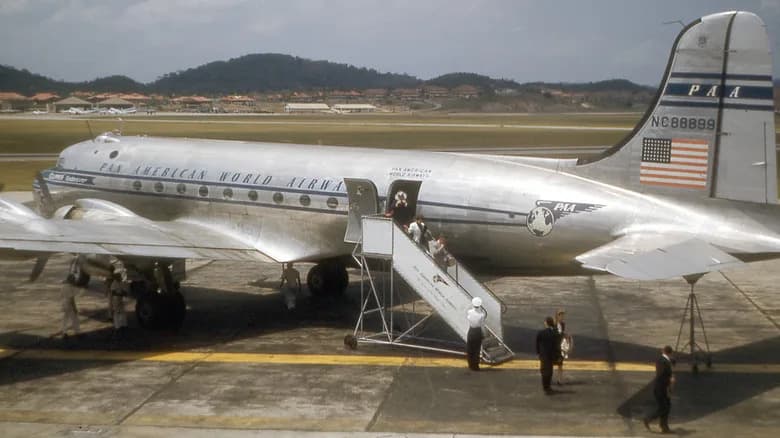
On April 11, 1952, Pan Am Flight 526A — a Douglas DC-4 nicknamed the Clipper Endeavor — departed San Juan, Puerto Rico, bound for Idlewild Airport (now JFK) with 69 people on board. Less than half an hour after takeoff the aircraft suffered multiple engine failures and crashed into the Atlantic roughly five miles from San Juan Harbor. Fifty-two people were killed and the majority of the wreckage remained missing for nearly 75 years.
Air/Sea Heritage Foundation and Deep Sea Vision
How the Wreck Was Found
The discovery was announced in early June by the Air/Sea Heritage Foundation (ASHF), which partnered with Deep Sea Vision (DSV) and Discovery Channel’s Expedition Unknown. Historian and ASHF president Russ Matthews began investigating Flight 526A in 2019 and used archival reports and a witness chart prepared by U.S. Air Force pilots to narrow a search area off San Juan.
Air/Sea Heritage Foundation and Deep Sea Vision
Technology That Made the Find Possible
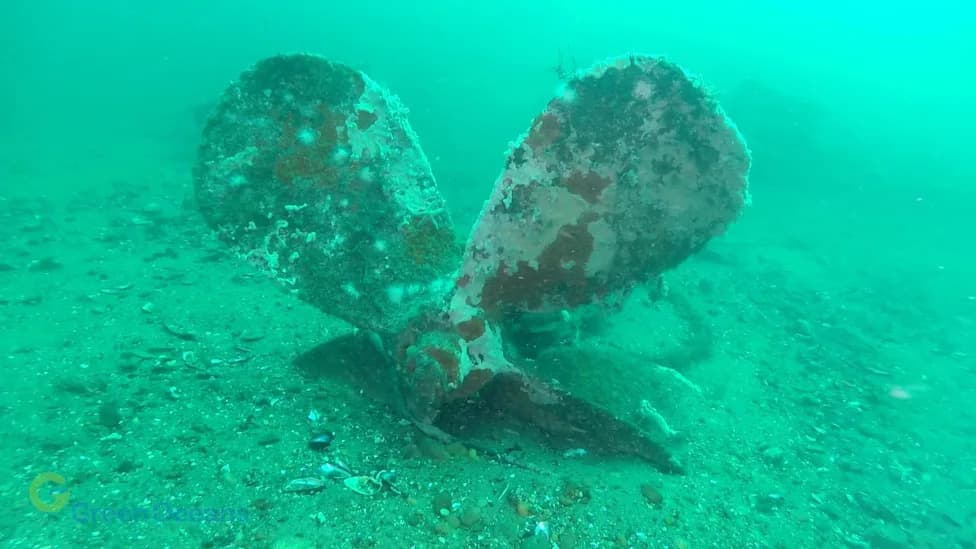
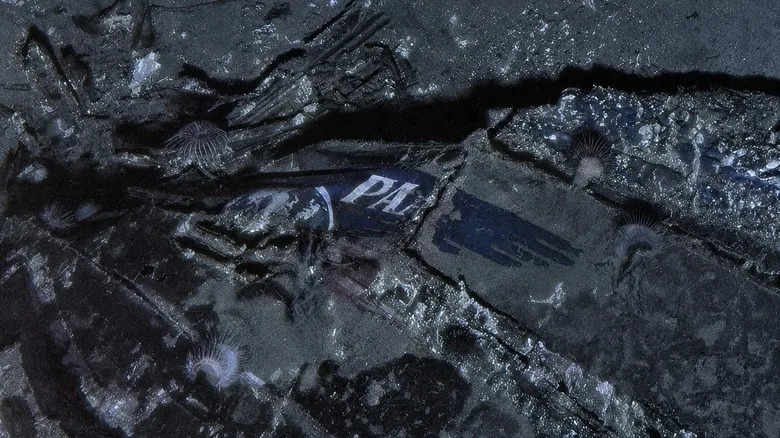
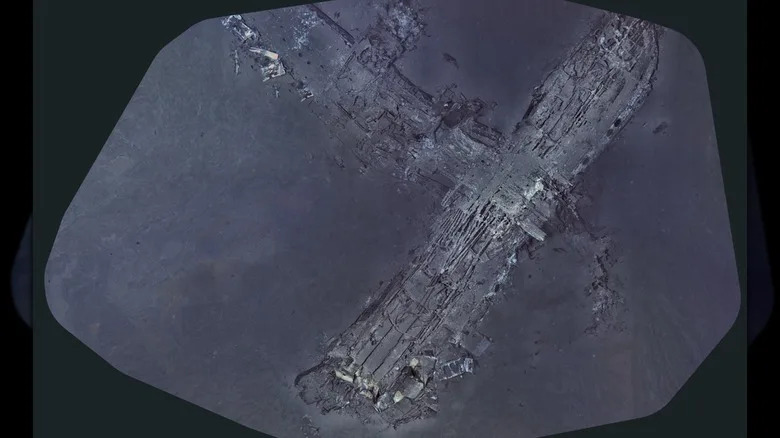
DSV’s autonomous underwater vehicle, nicknamed 'Miss Millie,' was deployed from the survey vessel Fugro Brasilis to map a targeted 10-square-mile area. Miss Millie, capable of operations to 20,000 feet, completed around 30 survey passes. On pass 13 the vehicle imaged distinctive airliner features — tail, fuselage, landing gear and cabin windows — confirming the Clipper Endeavor’s location at about 2,000 feet below the surface. Subsequent passes captured roughly 350,000 photographs and high-resolution data of the debris field.
Air/Sea Heritage Foundation
Survivors, Testimony and Legacy
Contemporary accounts and investigation reports record harrowing testimony from survivors and witnesses. The pilot, John C. Burn, survived; many passengers did not. Reports describe the main cabin floating only briefly before sinking and note confusion among passengers about whether to leave the aircraft amid fears of sharks and language barriers. The crash prompted reforms in airline emergency procedures and safety practices that influence preflight briefings today.
Respecting a Deep-Water Grave
Investigators and the search team say the site will remain undisturbed as a grave and memorial to those who perished. The imagery and data collected will help historians and investigators fill gaps in the historical record and may provide long-awaited answers and closure for families. According to the search team, the wreck may still contain the remains of up to 39 people who were never recovered after the 1952 crash.
Note: The discovery highlights how modern deep‑sea survey technology can resolve long-standing mysteries that were beyond the reach of mid‑20th century search and recovery efforts.
Help us improve.