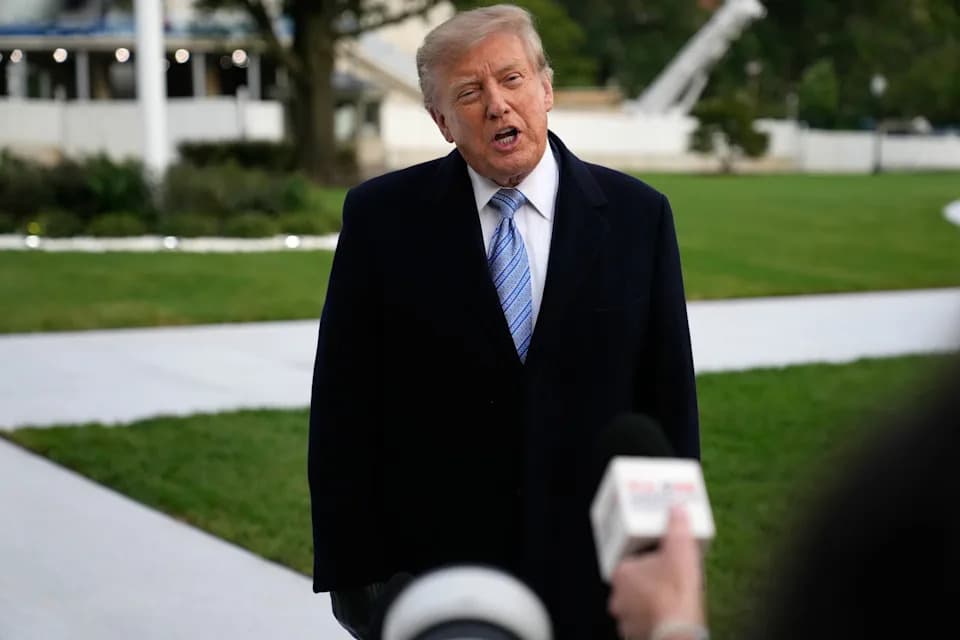
President Donald Trump announced on Feb. 28 that the United States had launched "major combat operations" against Iran, describing coordinated U.S.-Israeli strikes on military, government and infrastructure targets. In a later interview with Axios, Trump said he was "considering a massive attack" on Iran and that the U.S. was "all set" for strikes "bigger than ever before," without giving a decision deadline.
Diplomacy and Wider Negotiations
Delegations from Washington and Tehran began talks in June to negotiate a war-ending agreement based on a memorandum of understanding both sides signed. Despite those talks, exchanges of strikes have continued, with the strategic Strait of Hormuz remaining a primary flashpoint for naval and missile incidents.
UN Alarm and Calls for Restraint
United Nations Secretary-General António Guterres: "The region is being pulled into an ever-widening circle of confrontation. One crisis feeds another. One escalation triggers the next."
Speaking to the U.N. Security Council, Guterres warned the situation was "getting out of control," urged protection of navigation around the Strait of Hormuz and Bab al-Mandeb, and stressed that "there is no military solution to the conflict" and that "diplomacy is the only way forward."
Escalatory Incidents and Military Claims
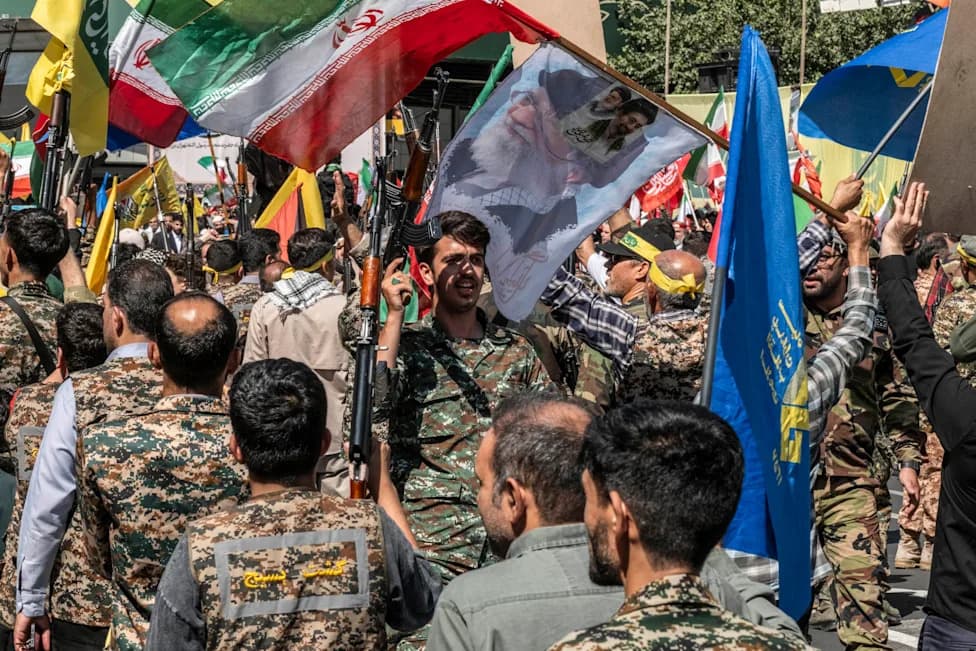
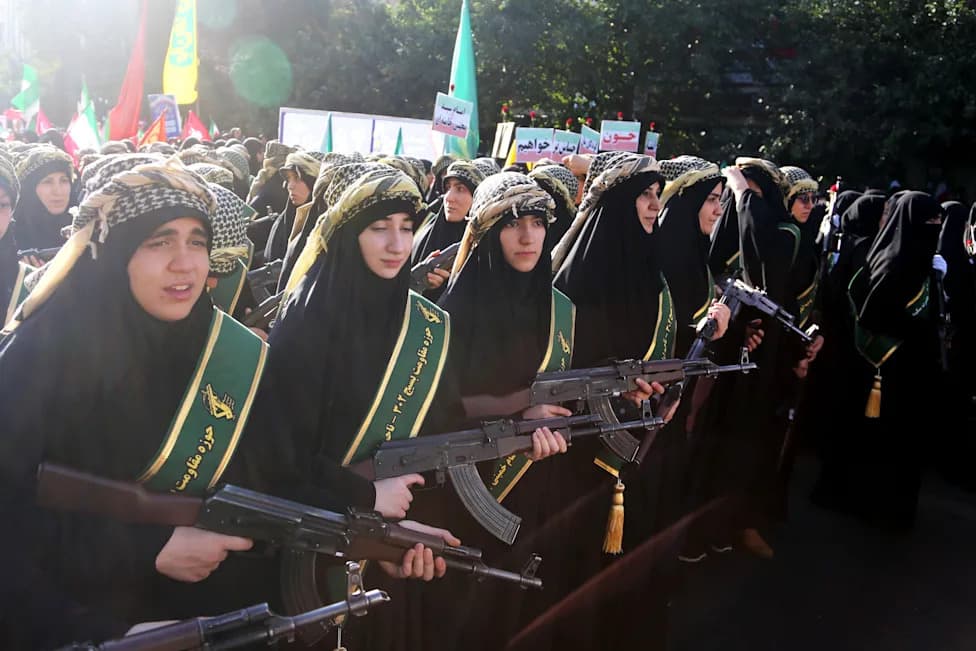
Iran's Islamic Revolutionary Guard Corps (IRGC) said RAF Fairford in England became a "legitimate target" after, it claimed, B-1 bombers flew from that base. The IRGC statement—carried by state media—also asserted that any base used to strike Iranian territory could be targeted. The U.K. responded that its armed forces remain ready to defend the country and will act in accordance with international law while working with NATO allies.
The IRGC additionally claimed it targeted U.S. military bases in Kuwait and Jordan in a fresh wave of strikes, calling the actions retaliatory against the United States rather than against the people of either country. Kuwait and Jordan reported responding to hostile drone and missile threats: Jordanian authorities said air defenses intercepted three missiles and six drones, while one missile reportedly landed in a remote, uninhabited area.
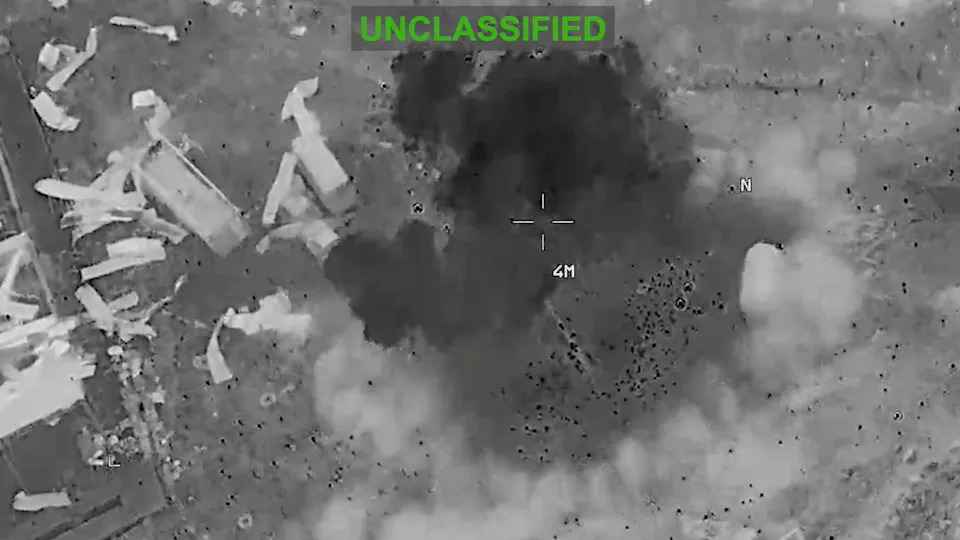
U.s. Central Command/via Reuters - PHOTO: Scattered debris and smoke are seen at an unknown location following during what U.S. Central Command said were strikes on Iran, in this screengrab taken from a handout video released on July 22, 2026.
U.S. Military Action
U.S. Central Command (CENTCOM) said it completed a 12th consecutive night of strikes, targeting what it described as maritime capabilities, missile and drone storage, coastal surveillance sites and air defense assets. CENTCOM said these operations were intended to degrade Iran's ability to attack civilian mariners and commercial vessels; it also reported redirecting nine commercial ships and disabling another as part of a naval blockade enforcement.
Intelligence, Proxies and Regional Tensions
Israeli authorities said intelligence services dismantled an Iranian plot to recruit operatives to target senior Israeli officials. Officials named an individual identified as Terut Ozkur, known as "Philippe," who allegedly coordinated with Iranian intelligence-linked intermediaries to assemble a squad of foreign nationals for operations inside Israel; French authorities reportedly expelled him.
The conflict has involved regional proxies: Houthi forces said they struck two Saudi ships, prompting U.S. warnings that it would hold Iran responsible for Houthi attacks and could inflict "major military punishment" if attacks continue.
Domestic U.S. Response
The U.S. House of Representatives voted 214-208 to adopt a concurrent resolution urging termination of U.S. armed forces' involvement in hostilities against Iran, a symbolic but politically significant rebuke to the administration. Four Republicans joined Democrats in supporting the measure; the resolution now moves to the Senate but would not carry the force of law if passed.
Officials' Comments
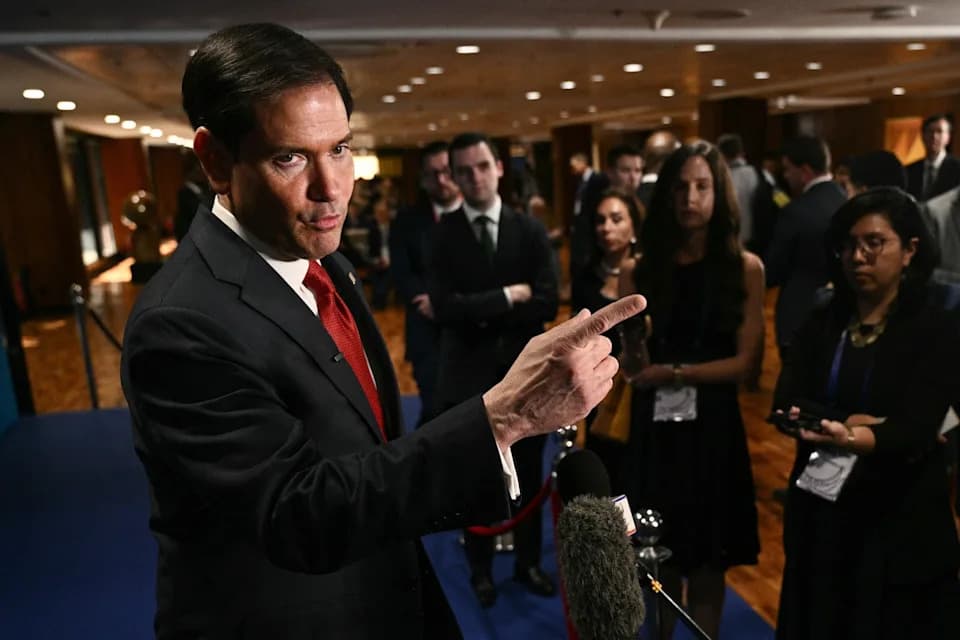
While attending an ASEAN meeting in Manila, Secretary of State Marco Rubio said Iran would "pay a price" for its actions and dismissed claims Russia was helping Iran target U.S. forces. Rubio suggested sanctions and military pressure were intended to push Iran back toward negotiations.
Outlook
Tensions remain high across multiple fronts—diplomacy continues alongside military actions, and senior international officials have urged restraint to prevent a broader regional conflagration. Many of the claims about targets and strikes come from parties to the conflict; independent verification remains limited in some cases.