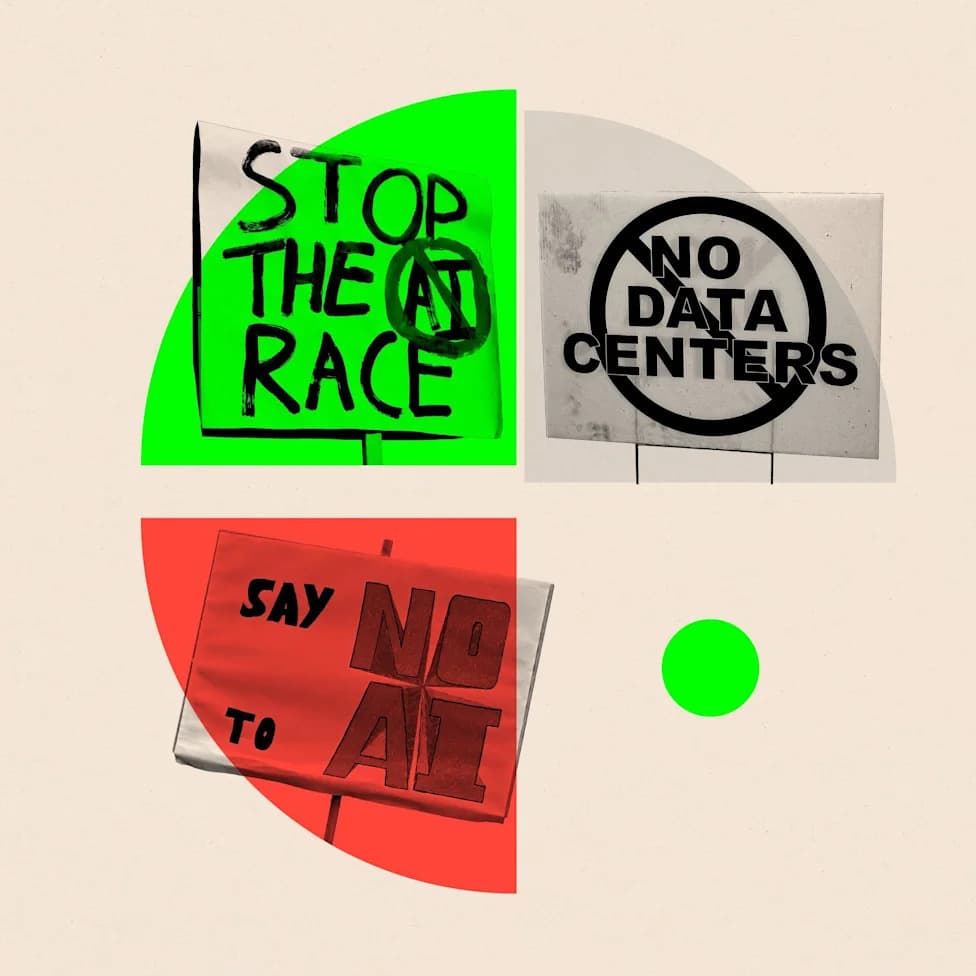
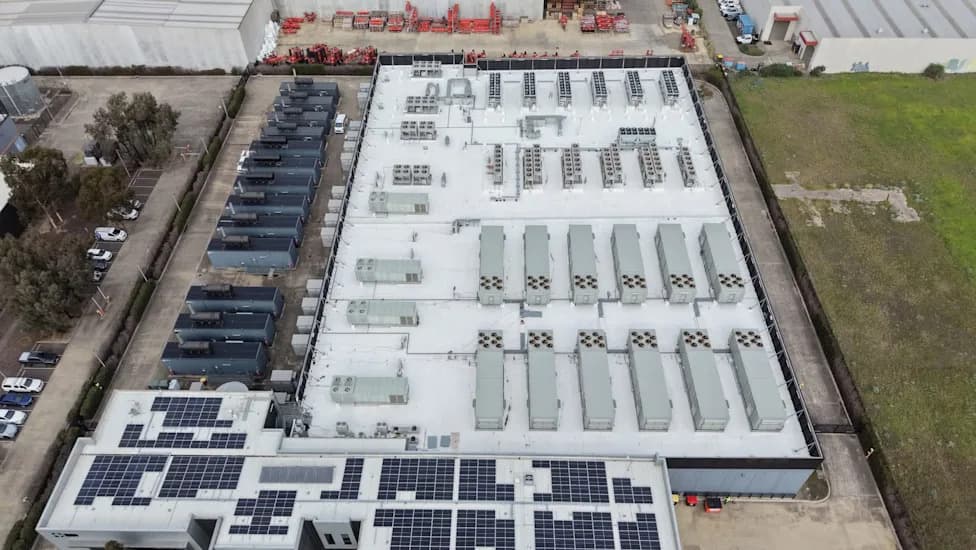
Outforia’s environmental pressure index ranks U.S. states from 0–100 to show where planned and existing data centers overlap with endangered species, forests and drought risk. Virginia leads with a score of 100 (about 283 projects and 79 endangered species), followed by Georgia, North Carolina and Texas. Researchers warn of permitting gaps and recommend regional siting reviews, mandatory Water Use Effectiveness disclosure and low-water cooling as standard practice. New York’s one-year moratorium on hyperscale permits shifts the debate toward smarter siting rather than blanket bans.
New Map Shows Where AI Data Centers Threaten Endangered Species — Virginia Tops the List
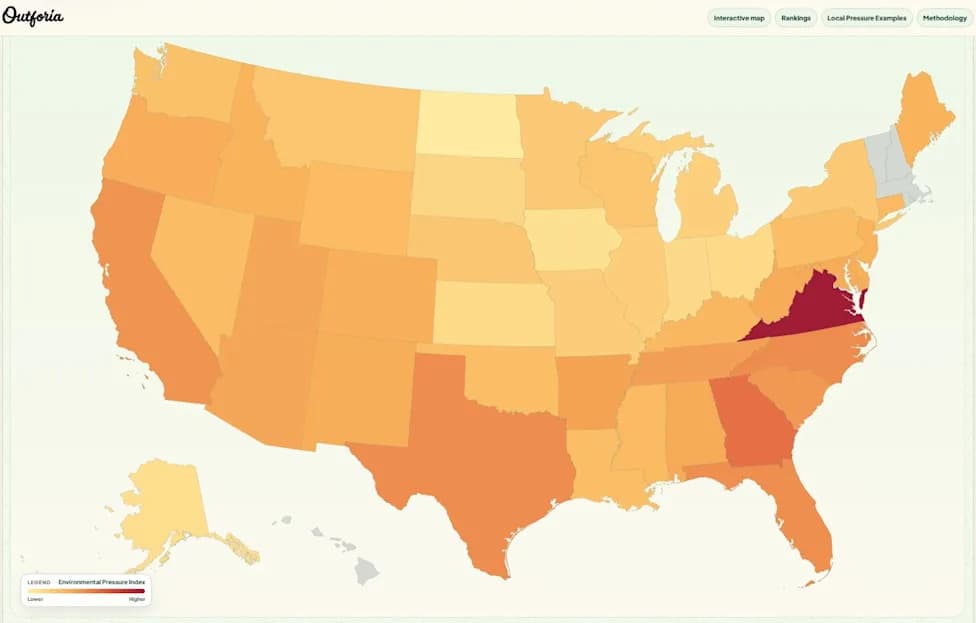
Image: Outforia
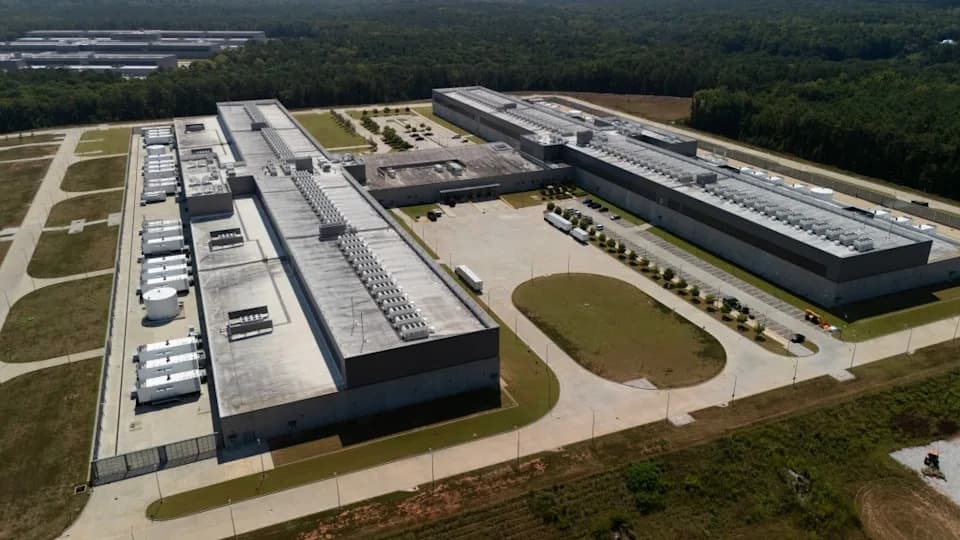
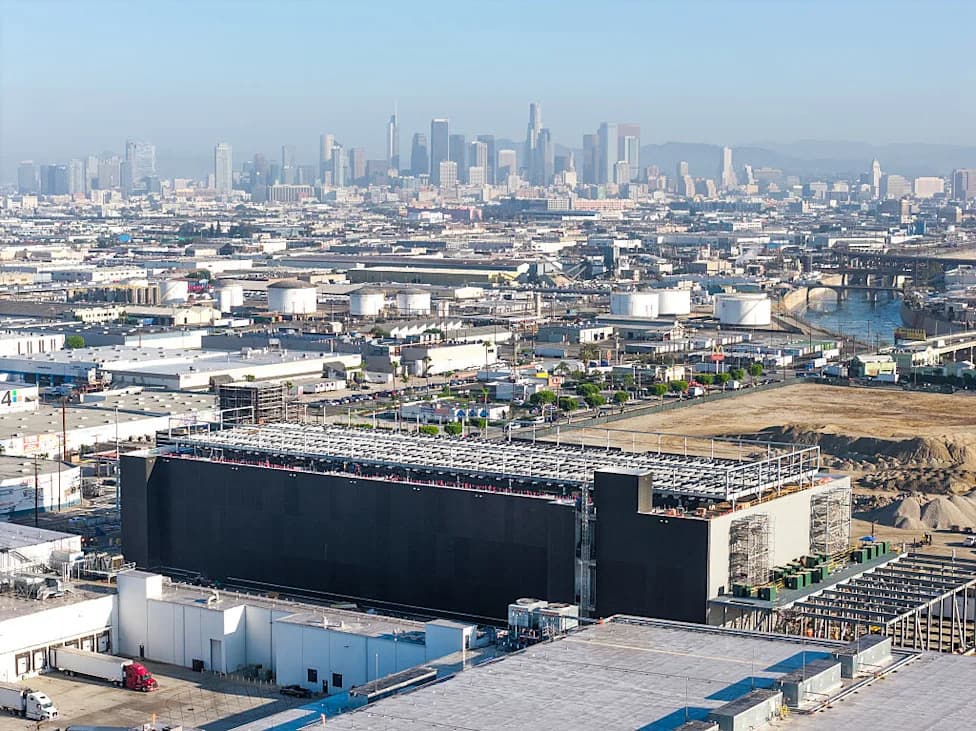
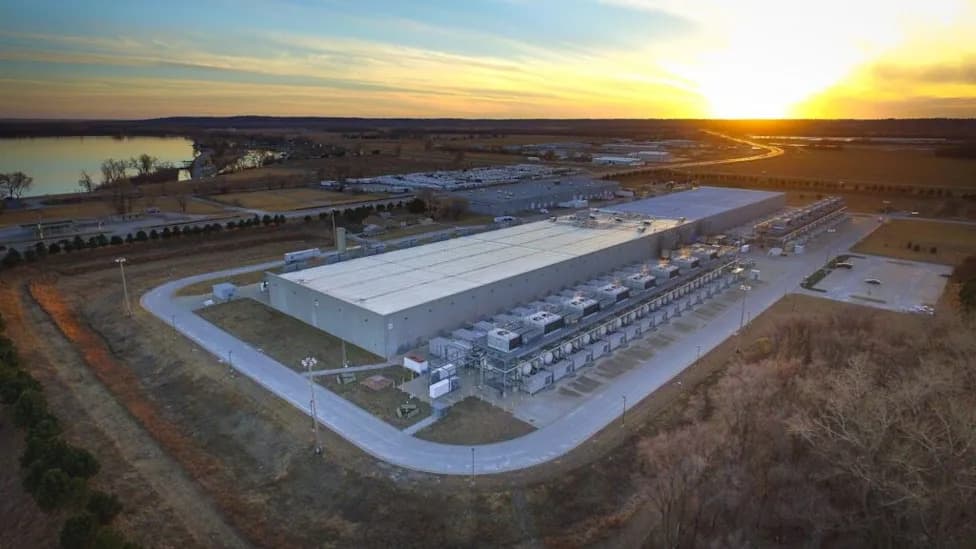
Every chatbot query, every AI-generated image and every cloud backup relies on physical infrastructure — and that infrastructure is increasingly being built on or near forests, drought-stressed watersheds and habitats for federally listed endangered species. Outforia’s new environmental pressure index quantifies this overlap for every U.S. state on a 0–100 scale by combining counts of data center projects, endangered-species tallies from U.S. Fish and Wildlife Service records, USDA forest-cover percentages and drought severity from the USDA Drought Monitor.
The index aims to put a single number on a conservation concern experts have raised for years: the growth of AI data centers is not just a technology issue but a siting and environmental-planning challenge.
Top-Ranked States
Virginia tops Outforia’s index with a perfect score of 100, followed by Georgia, North Carolina and Texas. Key drivers differ by state, but the combination of concentrated data center projects, high counts of endangered species, significant forest cover and rising drought risk creates acute local pressure.
- Virginia — Score: 100: ~283 data center projects, 79 federally listed endangered species, significant forest cover and rising drought risk. University of Illinois researchers warn of “critical gaps” in permitting, noting that similar IT loads can yield “radically different water impacts” depending on cooling technology.
- Georgia — Score: 65.46: ~134 projects, 77 endangered species, plus roughly 128 additional planned facilities.
- North Carolina: High drought risk and extensive forest cover push it near the top of the list.
- Texas: ~202 projects overlapping with roughly 120 endangered species.
- Also High-Risk: Florida, California, South Carolina, Tennessee, Arkansas and Utah rank just behind the leaders.
How Data Centers Harm Wildlife
Outforia and conservation groups identify three main pathways by which server farms can threaten species and ecosystems:
- Habitat fragmentation: Land clearing for campuses breaks up habitat corridors, isolating populations and reducing biodiversity.
- Water competition: Evaporative cooling and other water-intensive systems strain rivers, wetlands and groundwater already stressed by drought.
- Air pollution: Fine particulate matter (PM2.5) from power infrastructure can travel beyond facility fences; a Piedmont Environmental Council study found impacts from a Loudoun County site spread across Northern Virginia and the broader Washington, D.C., region.
“The AI boom can sound like something happening entirely in the cloud, but the AI infrastructure behind it is firmly on the ground,”
said Carl Borg of Outforia.
Policy Responses and Recommended Fixes
Policy responses are emerging. New York enacted a one-year moratorium on new hyperscale data center permits while regulators update environmental and energy standards. Critics argue the pause hurts competitiveness; researchers and advocates propose a middle path: regional-scale siting evaluations, mandatory Water Use Effectiveness disclosure and requiring low-water or water-free cooling as standard practice.
On the ground, trade-offs can be stark — land where an endangered salamander breeds may overlap with the parcel a hyperscale operator needs to cool servers. Outforia’s index does not resolve these conflicts, but it names and maps them, placing the problem clearly before regulators, communities and companies that must now weigh development against habitat protection.
Bottom line: Smarter siting, transparent water-use metrics and widespread adoption of low-water cooling technologies can reduce ecological impacts while allowing responsible infrastructure growth.
Help us improve.