The EPA has dropped plans to set numeric limits on PFAS in sewage sludge used as fertilizer and put aside a draft health assessment that associated low-level PFAS (above 1 ppb) with increased cancer and other health risks. Many sludge samples exceed the 1 ppb threshold, which advocates say could have led to substantial limits on biosolids use. Environmental groups, including PEER and the Southern Environmental Law Center, have criticized the move and pursued legal action, warning it endangers farming families and children.
EPA Drops Proposed PFAS Limits for Sewage Sludge, Sets Aside Draft Linking Low-Level Exposure to Cancer Risk
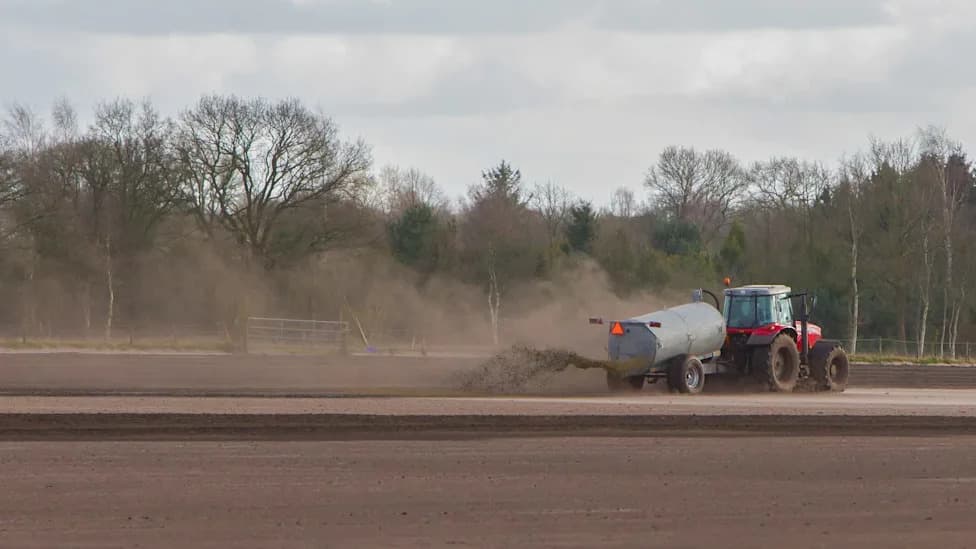
Photo Credit: iStock
The Environmental Protection Agency has abandoned plans to impose numeric limits on PFAS in sewage sludge (also called biosolids) used as fertilizer and has set aside a recent draft health risk assessment that linked low-level PFAS exposure to elevated cancer and other health risks, The Guardian reported.
What the Draft Found
Shortly before the end of the prior administration, the EPA issued a draft health risk assessment focused on PFOA and PFOS, two of the most widely studied PFAS compounds. That draft concluded that sludge concentrations above 1 part per billion (ppb) could raise cancer and other health risks for farmers and workers on treated land. Because many tested sludge samples exceed 1 ppb, adopting the draft limits would likely have sharply reduced biosolids applications on farmland.
EPA's Response and Rationale
Instead of adopting numeric limits, the EPA advised consumers and farmers to research sludge and fertilizer suppliers before using products that may contain PFAS. The agency also stated that biosolids are applied to roughly 1% of U.S. farmland and argued that this limited use reduces the material’s overall public-health threat.
Concerns From Advocates and Legal Action
Environmental and public-health advocates sharply criticized the decision. Public Employees for Environmental Responsibility (PEER) said it was “shocking” that the agency would discard a scientific assessment. PEER has filed a lawsuit alleging the EPA failed to address PFAS in sludge under the Clean Water Act. The Southern Environmental Law Center (SELC) and other groups continue to press the issue and have submitted formal comments highlighting potential risks to children and rural communities.
“It’s shocking for the EPA to take a scientific assessment and simply throw it out,” said Laura Dumais, an attorney with PEER.
“This decision puts polluters first and leaves farming families and rural communities to bear the consequences,” said Jean Zhuang, senior attorney at the Southern Environmental Law Center.
Health and Environmental Risks
PFAS (per- and polyfluoroalkyl substances) have been associated with cancer, liver and kidney damage, high cholesterol, birth defects, and reduced immunity. These “forever chemicals” persist in the environment and can accumulate in human bodies over time. Critics warn that spreading contaminated sludge can transfer PFAS into soil, groundwater, produce, milk and meat.
- More than 100 farms in Maine have been reported to have contaminated sludge on their land, including organic operations that unintentionally grew crops in polluted soil.
- A calculation cited by The Guardian estimated that more than 36 out of 1,000 children could later develop cancer if they regularly drank milk from a farm treated with sludge containing 9.4 ppb of PFOA — an example advocacy groups cite to underscore potential risks to children.
What Comes Next
Advocates say the decision leaves regulatory gaps and increases the burden on farming families and local communities to protect themselves. Lawsuits and public comments may prompt further review or future rulemaking, but for now the EPA’s move removes the prospect of near-term numeric limits on PFAS in biosolids.
Reporting note: Key figures and quotes in this story were reported by The Guardian. Legal actions and advocacy positions are identified by the groups that issued them.
Help us improve.