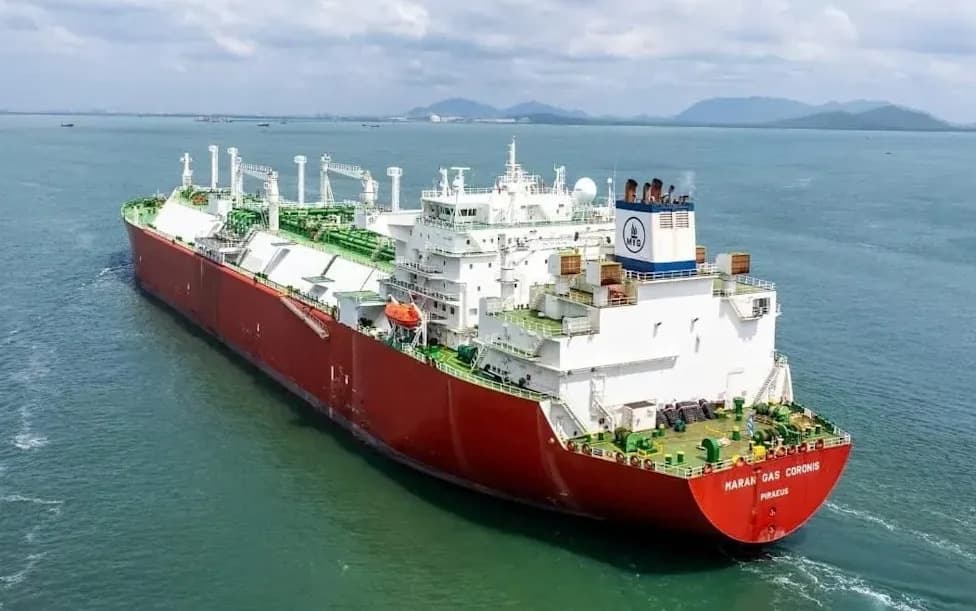
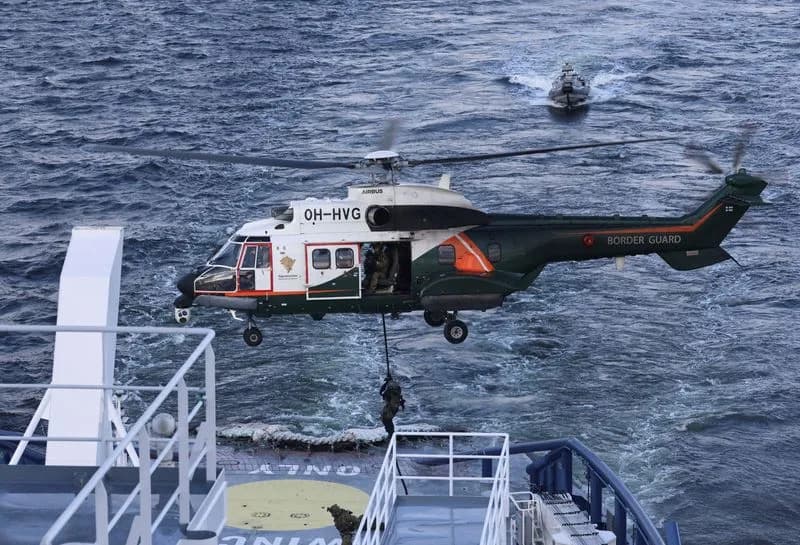
The EU has authorized Operation Atalanta to carry out flag-verification boardings of tankers in the western Indian Ocean suspected of belonging to Russia’s shadow fleet and sailing under false flags. Announced by Kaja Kallas after Operation Irini boarded the sanctioned MV South Star on July 20, the change extends a capability already used in the Mediterranean and targets deceptive practices that undermine sanctions. Legal limits under Article 110 of UNCLOS still apply, and the operational plan and rules of engagement have not yet been published.
EU Grants Atalanta Authority To Stop and Board Suspected Russian Shadow Tankers in Western Indian Ocean
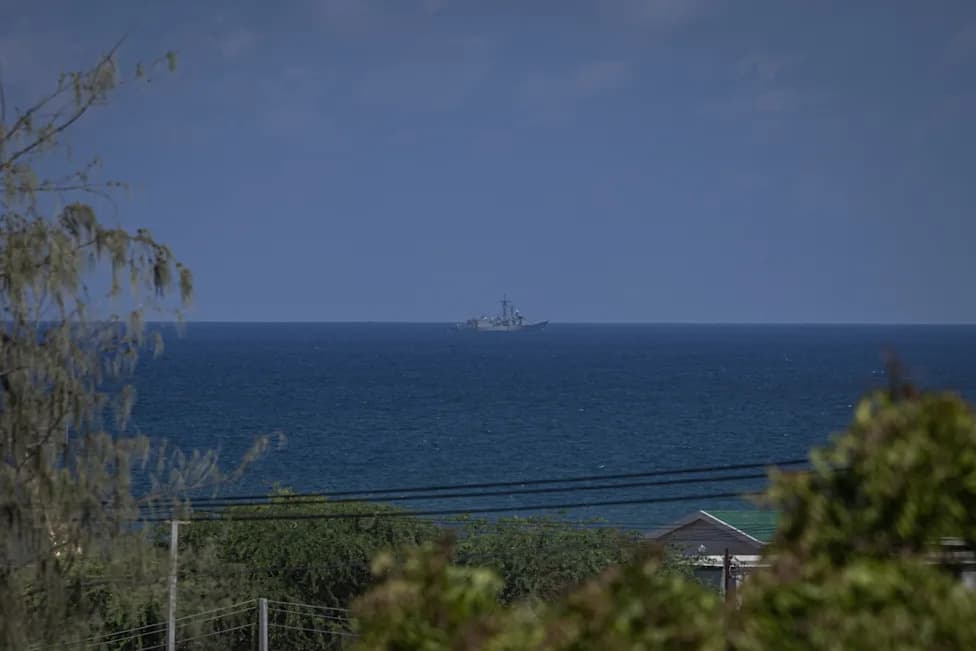
A vessel that appears to be the Spanish Navy frigate Santa María F81, deployed as part of the European Union Naval Force Operation ATALANTA, is seen off the coast of Mogadishu, Somalia, on April 24, 2025.(Ed Ram/Getty Images)
The European Union has expanded the mandate of its long-standing counter-piracy naval mission, Operation Atalanta, authorizing boarding and flag-verification inspections of tankers suspected of belonging to Russia's "shadow fleet" when there are signs the vessels are sailing under false flags.
What Changed
EU foreign policy chief Kaja Kallas announced the change this week, noting it extends to Atalanta a capability already used by Operation Irini, the EU's Mediterranean mission. The announcement coincided with news that Irini forces boarded the sanctioned oil tanker MV South Star on July 20 on suspicion that it was sailing under a false flag.
Where Atalanta Will Operate
Atalanta’s expanded authority covers a broad area of the western Indian Ocean and adjacent seas: the Somali Basin, Gulf of Aden, Red Sea, Gulf of Suez, Gulf of Aqaba and waters around Oman. Launched in 2008 as the EU’s first naval mission to combat piracy, Atalanta now adds flag-verification boardings to its tasks in these vital tanker corridors to Asia.
Legal Limits and Practical Impact
Under international law, warships may not arbitrarily stop and board foreign-flagged ships on the high seas. Article 110 of the UN Convention on the Law of the Sea permits inspection when there is reasonable suspicion a vessel is stateless or is flying a flag it is not entitled to fly. The EU’s authorization does not create blanket powers to detain any Russia-linked or sanctioned vessel, but it targets the common practice of false-flag operations used by parts of the so-called shadow fleet.
Operational Details and Precedents
The council decision, operational plan and rules of engagement that will define how Atalanta applies its new powers have not yet been published. EU officials say the move broadens enforcement options along key sea lanes. Previously, Operation Irini’s flag checks helped prompt Cameroon to remove 39 vessels from its registry after investigators uncovered forged paperwork and fake registry websites used to disguise shadow fleet tankers.
Kaja Kallas: “Every illicit voyage helps sustain Russia’s war machine. We are matching our sanctions with action at sea.”
Political Reaction
Moscow has pushed back. President Vladimir Putin has previously called similar interceptions "piracy," and the expanded mandate is likely to further heighten tensions between Brussels and Moscow over maritime enforcement and the use of sanctions at sea.
Context: Brussels has already sanctioned more than 600 vessels suspected of belonging to the shadow fleet, which analysts say is used to sell Russian oil above the Western-imposed price cap through opaque ownership structures and deceptive flag and registry practices.
Help us improve.