The White House warned on July 22 that a government shutdown is possible when funding expires on Sept. 30. The House approved a short-term funding bill to keep the government open through early December, but the measure now moves to the Senate as both chambers head into August recesses, leaving only a narrow window to finalize funding. With just about 11 overlapping days in session before the deadline and the possibility of Senate amendments, the risk of a lapse mirrors last year’s prolonged shutdown and its lingering disruptions.
Government Shutdown Risk Climbs as Congress Heads Into August Recess
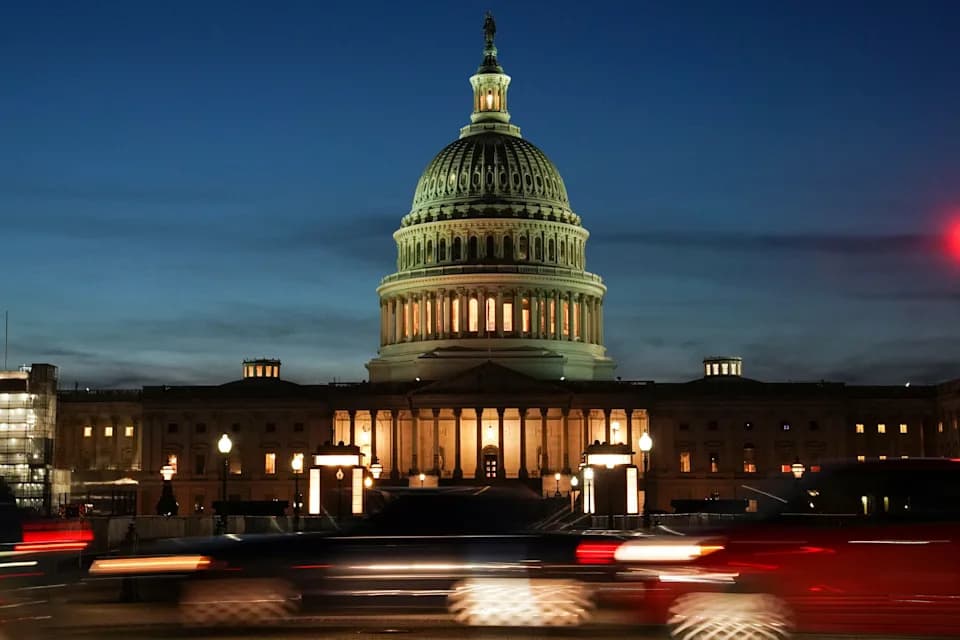
The exterior of the U.S. Capitol is seen at sunset on January 22, 2020. REUTERS/Sarah Silbiger
President Donald Trump warned on July 22 that the federal government may face a shutdown when current funding expires on Sept. 30, Reuters reported. The House has passed a short-term stopgap funding measure that would keep the government operating through early December, but that bill now moves to the Senate just as both chambers prepare to leave Washington for August recesses — significantly shrinking the time available to resolve final spending measures.
Why the Calendar Matters
Federal funding currently runs through Sept. 30. In theory, that leaves more than 50 calendar days (excluding weekends) to negotiate appropriations or pass additional stopgap funding. In practice, most of that time is taken up by scheduled congressional recesses and holiday breaks.
House Schedule
The House GOP pushed to pass the stopgap quickly because House members’ recess runs from July 27 to Aug. 28, with the chamber officially reconvening on Sept. 1. The House will also be out of session for a week from Sept. 7–11 for Labor Day and the start of Rosh Hashanah. Accounting for those gaps, the House has roughly 16 days in session before the funding deadline.
Senate Schedule
The Senate recess begins on Aug. 10, with senators scheduled to return to Washington on Sept. 11 and to officially reconvene on Sept. 14. That timeline leaves roughly 24 working days between late July and the Sept. 30 deadline.
Compressed Window and Legislative Hurdles
Because of these overlapping breaks, both chambers will be in session at the same time for only about 11 days between now and Sept. 30. If the Senate amends the House-passed stopgap — a common occurrence — the revised measure must return to the House for another vote, further compressing an already narrow window.
Historical Context and Consequences
The risk of a shutdown is not abstract: last year’s record 43-day shutdown that began on Oct. 1, 2025 created prolonged disruption. While that shutdown officially ended in mid-November, a partial funding lapse continued into April, disrupting the Department of Homeland Security and causing major delays and confusion at many airports.
What Comes Next
With the clock running down, congressional leaders must decide whether to accept the Senate’s changes to the stopgap (if any), negotiate a new compromise, or pass additional short-term funding. The likelihood of a funding lapse will hinge on how quickly lawmakers can reconcile differences once both chambers return to Washington and whether appropriations remain a top priority.
Reporter: Drew Pittock, USA TODAY. Contact: [email protected].
Source: Reuters and USA TODAY reporting.
Help us improve.