MsMojo’s video ranks the 1888 Jack the Ripper murders as the most likely to remain unsolved. Between Aug. 31 and Nov. 9, 1888, five women in London’s Whitechapel were murdered in crimes that became infamous. Although modern DNA techniques have cracked other cold cases — notably the Golden State Killer — disputed evidence (including controversial DNA claims from a shawl linked to Catherine Eddowes) and the passage of time make a definitive identification of Jack the Ripper unlikely.
Why Jack the Ripper Tops MsMojo’s List Of 'Crimes That Will Never Be Solved' — And Why It May Stay That Way
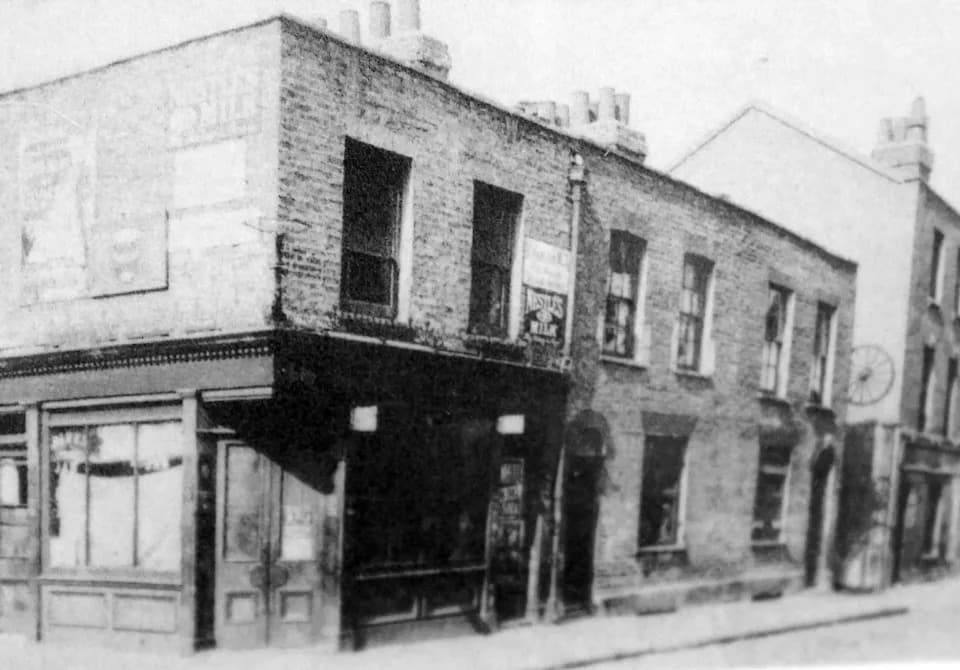
Entrance to Dutfield's Yard, where Elizabeth Stride was supposedly murdered by Jack the Ripper. (Photo by: Universal History Archive/ Universal Images Group via Getty Images)
MsMojo’s YouTube video “20 Crimes That Will Never Be Solved” placed the 1888 Jack the Ripper murders at No. 1 — a designation that highlights both the case’s notoriety and the real limits of modern forensics when applied to very old crimes.
What Happened in Whitechapel
Between Aug. 31 and Nov. 9, 1888, an unidentified attacker killed five women in Whitechapel, East London: Mary Ann Nichols, Annie Chapman, Elizabeth Stride, Catherine Eddowes and Mary Jane Kelly. The killings shocked Victorian Britain with their brutality and the press attention they generated.
The Name And The Letters
The killer became known as “Jack the Ripper” after a letter signed with that name — the famous "Dear Boss" letter — was received by the Central News Agency. Many historians now treat several of the Ripper letters as probable hoaxes, but the name endured in the public imagination.
Suspects And Investigations
Over the years a long list of suspects has been proposed, from convicted serial killer George Chapman to Aaron Kosminski and repeat offender Michael Ostrog. None of these identifications has been proved beyond reasonable doubt, and the case has attracted intense speculation and amateur theorizing for more than a century.
Modern Forensics: Successes And Limits
Advances in DNA analysis have solved cold cases once thought impossible: for example, Joseph James DeAngelo was identified as the Golden State Killer through genetic genealogy techniques, arrested in 2018 and later sentenced to life imprisonment. Similar methods have also produced arrests in other long-running investigations, such as the Gilgo Beach case.
However, the Jack the Ripper case provides far less reliable physical evidence to test. Some researchers have claimed DNA matches from a silk shawl reportedly associated with Catherine Eddowes’s murder, implicating Aaron Kosminski, but those findings have been widely disputed. Questions about the shawl’s provenance, contamination over time, and the methods used to extract and interpret the DNA have left those conclusions unconfirmed.
Why It May Remain Unsolved
With primary witnesses and investigators long deceased, unreliable or contaminated physical evidence, and competing historical interpretations, the prospect of a definitive, court‑quality identification appears slim. While forensic science will continue to advance and occasionally overturn long-held mysteries, Jack the Ripper remains a reminder that some crimes — especially those from more than a century ago — may never yield a conclusive answer.
Bottom line: The Ripper murders remain historically significant and heavily studied, but the combination of time, provenance problems, and disputed DNA results makes a definitive resolution unlikely.
Help us improve.