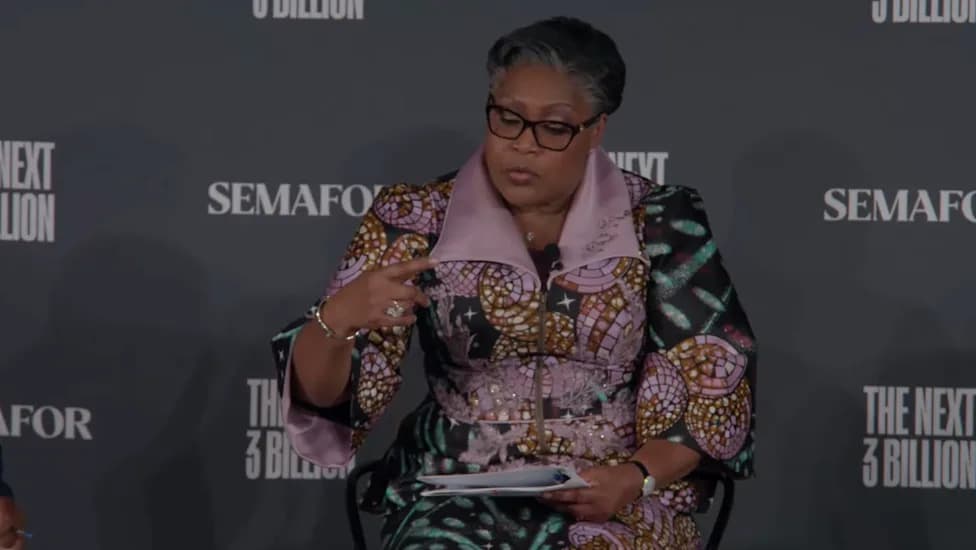
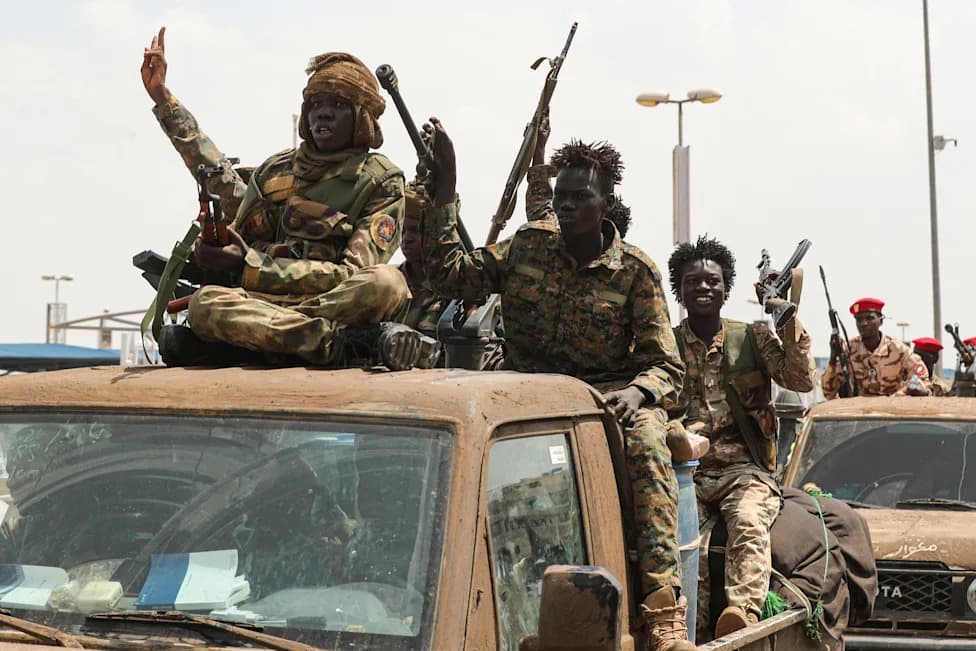
The WTO director‑general told the U.N. Security Council that booming demand for critical minerals is both a rare economic opportunity and a conflict risk. She warned that competition for lithium, cobalt, nickel and rare earths has fueled illegal mining and armed groups in places like eastern DRC, while resource exploitation has worsened violence in Sudan. Okonjo‑Iweala urged local value addition, stronger rule of law and coordinated action by resource‑rich states to capture greater benefits and reduce conflict.
WTO Warns Mineral Boom Fuels Conflict — But Offers a ‘Once‑in‑a‑Lifetime’ Chance for Resource‑Rich Nations
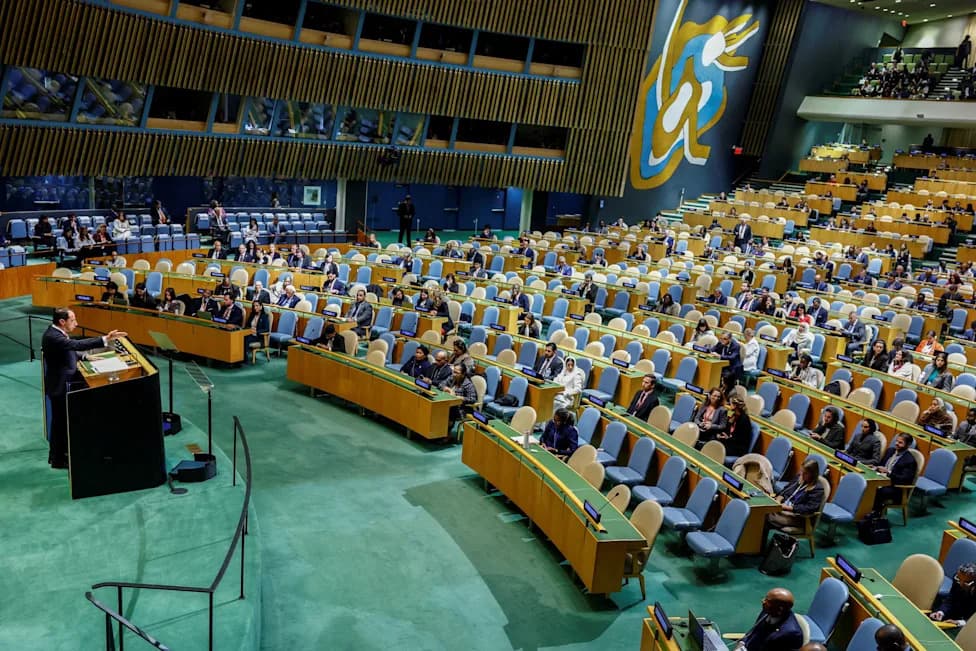
FILE - The United Nations logo is seen at the General Assembly hall at U.N. headquarters, Sept. 21, 2021. (Eduardo Munoz/Pool Photo via AP, file)
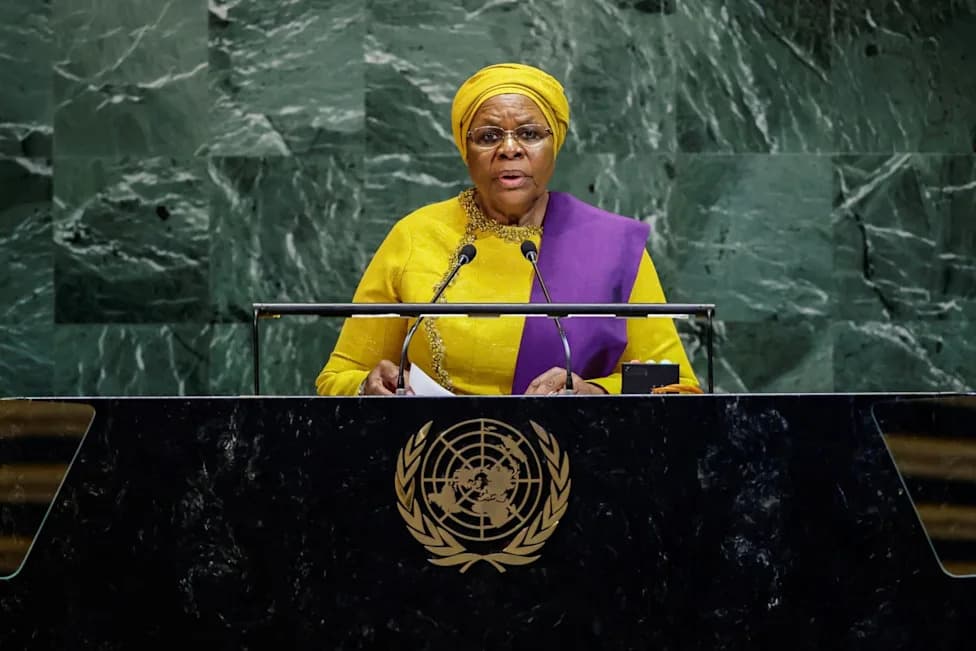
The World Trade Organization’s Director‑General, Ngozi Okonjo‑Iweala, told the U.N. Security Council that surging global demand for critical minerals presents “a once‑in‑a‑lifetime chance” for resource‑rich countries—especially in Africa—to capture greater wealth and improve living standards. At the same time, she warned, the rush for these materials has too often sparked violence, illicit trade and entrenched poverty.
Strategic Stakes and Rising Risks
Okonjo‑Iweala said critical minerals are increasingly treated "as strategic assets, not just commodities, and a major source of interstate competition." Major economies are racing to secure supplies of minerals used in technologies from smartphones to fighter jets, creating leverage that can heighten geopolitical tensions and local conflicts. She cautioned that developing producers risk being locked into low‑value roles while the highest‑value jobs, technologies and profits are captured elsewhere.
Conflict and Illicit Trade
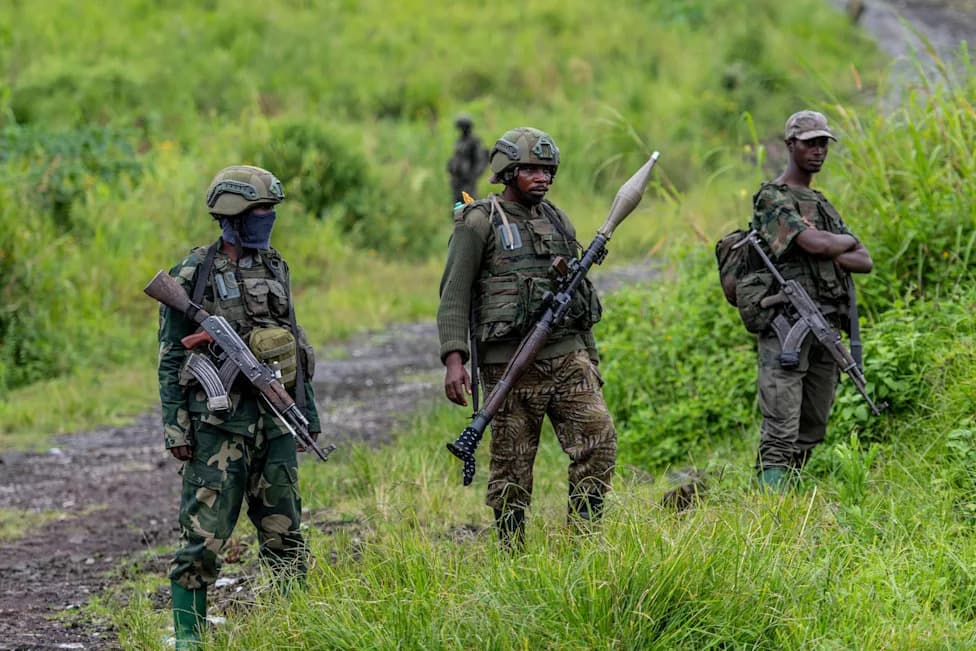
U.N. Secretary‑General António Guterres highlighted how the scramble for lithium, cobalt, nickel and rare earths has allowed armed groups in eastern Democratic Republic of Congo (DRC) to benefit from illegal mining and smuggling, with civilians bearing the cost in violence and displacement. He also noted that Sudan’s bitter fighting between government and paramilitary forces has been fueled in part by exploitation of natural resources—particularly gold and gum arabic—contributing to atrocities and mass displacement.
WTO’s Priorities to Turn Wealth Into Development
Okonjo‑Iweala proposed three priorities to ensure mineral wealth promotes sustainable development rather than conflict:
1. Resource‑rich developing countries should insist on more local processing, refining and value addition to capture a greater share of profits and jobs.
2. The international rule of law must be strengthened to deter illicit trade, corruption and exploitation that finance armed groups.
3. Resource‑rich nations should coordinate to use collective leverage—reversing the pattern of exporting raw materials and importing finished goods, and attracting investment that builds local industry.
Where Africa Stands
Okonjo‑Iweala stressed the strategic importance of these minerals for the energy transition and digital economy: “The world cannot achieve energy security, the green transition or digital transformation without them.” She noted that Africa holds roughly 30% of the world’s critical minerals, and that less than half of its reserves have been explored.
Key regional facts cited include: the DRC accounts for more than 70% of global cobalt production; South Africa holds the largest known reserves of platinum and manganese; Zambia and the DRC are major copper producers; 10–12 African countries have commercially exploitable lithium reserves; and 15–20 countries host commercially viable rare earth deposits.
“The minerals beneath Africa or any developing region’s soil should never help to finance the conflicts above it,” Okonjo‑Iweala said, calling for a model that turns raw resources into broad‑based economic transformation.
Help us improve.