The Clipper Endeavor, a Pan Am Douglas DC-4 that ditched off Puerto Rico on 11 April 1952, has been found 2,000 ft (610 m) below the Atlantic. Of 69 people onboard, 17 survived; the chaotic evacuation spurred reforms requiring pre-flight safety briefings and improved flotation equipment. The wreckage was discovered by an autonomous sonar drone on 2 June and confirmed by photographic survey; the search was led by the Air/Sea Heritage Foundation with Discovery Channel partners.
Pan Am 'Clipper Endeavor' Wreckage Found 74 Years Later — The Crash That Changed Airline Safety
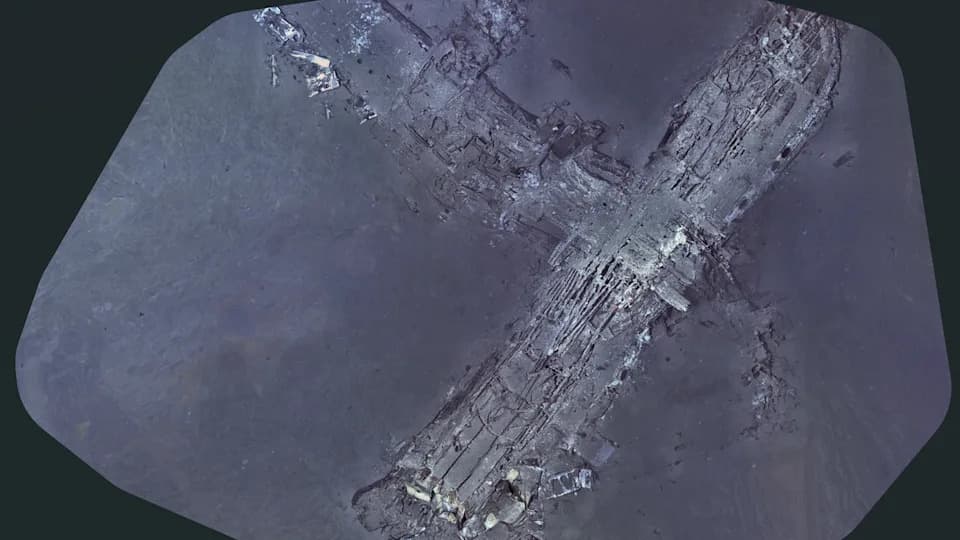
Wreckage of the Clipper Endeavour was discovered more than seven decades after the aircraft disappeared [Air/Sea Heritage Foundation and Deep Sea Vision]
The wreckage of Pan American Airways' Clipper Endeavor has been located 74 years after the Douglas DC-4 ditched in the Atlantic — a disaster credited with prompting the modern safety measures passengers now expect on every commercial flight.
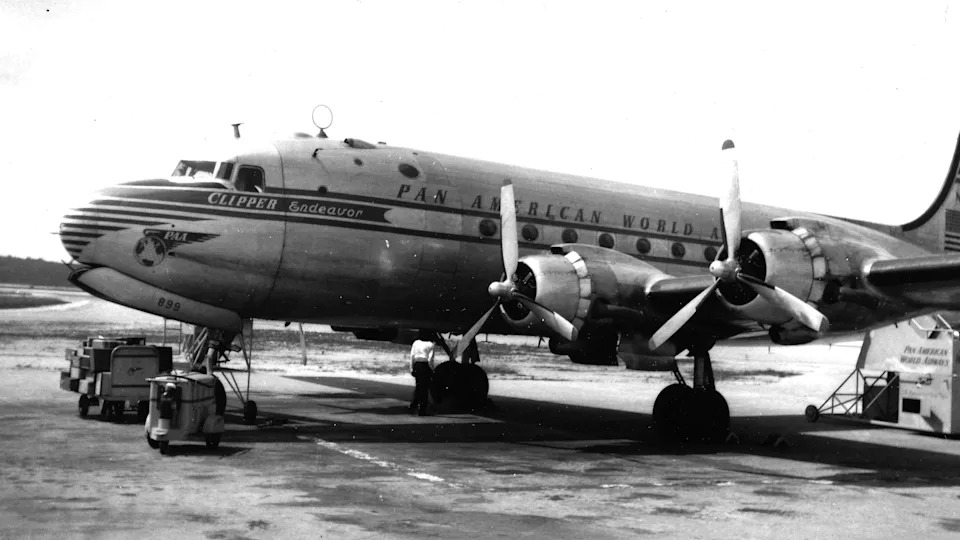
The Clipper Endeavor sank minutes after a hard water landing, killing 52 [Pan Am Historical Foundation]
Discovery Off Puerto Rico
Explorers from the Air/Sea Heritage Foundation, working with Discovery Channel's Expedition Unknown and partner organisations, detected the fuselage and tail roughly 2,000 ft (610 m) below the surface off Puerto Rico using an autonomous sonar drone. The aircraft was found on 2 June after researchers narrowed a search area to a 10-square-nautical-mile patch of seabed.
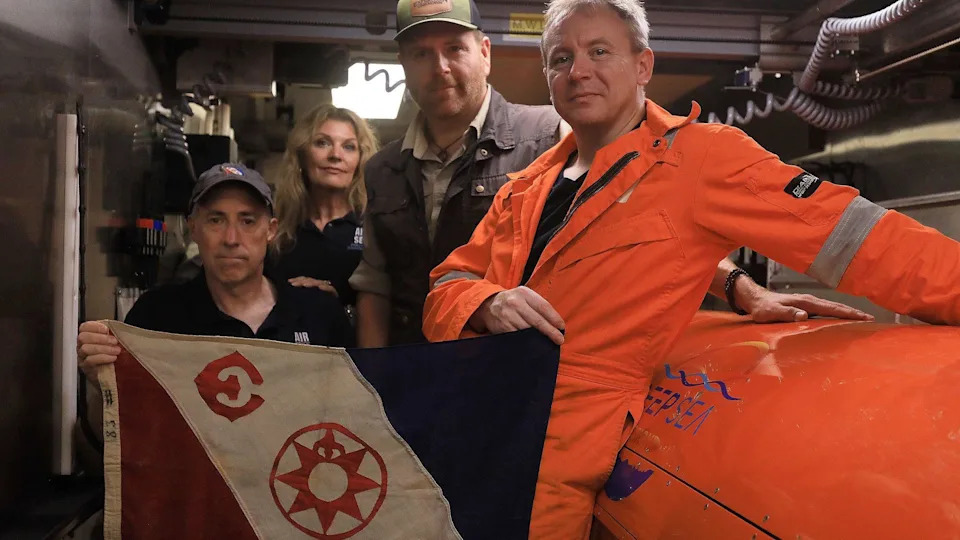
Russ Matthews (left) said he had been determined to find the wreckage before the 75th anniversary of the crash [Discovery Channel]
What Happened In 1952
On 11 April 1952, the Clipper Endeavor experienced multiple-engine failure shortly after takeoff and the pilot was forced to make a violent water landing. Although everyone survived the initial impact, passengers had trouble finding life vests and rafts as the aircraft sank within minutes. Of the 69 people onboard — 64 passengers and five crew — only 17 survived and 52 perished.
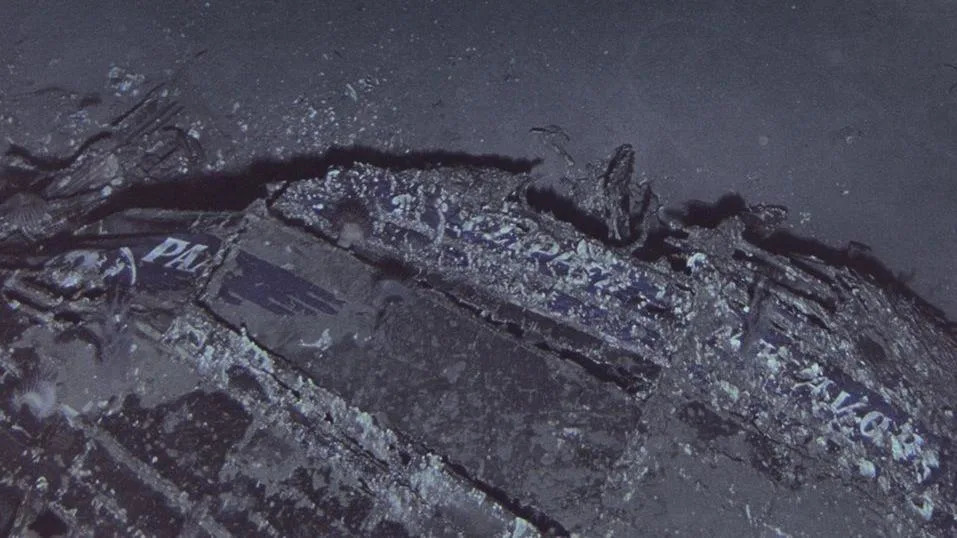
A photographic survey revealed the Pan Am logo and aircraft's name were still visible [Air/Sea Heritage Foundation and Deep Sea Vision]
"We are all stunned and elated by this discovery, yet also humbled to remember what happened in that place so long ago," said Russ Matthews, president of the Air/Sea Heritage Foundation, who launched the search after a luggage tag from the flight washed ashore in Florida in 2019.
Confirmation And Evidence
An initial sonar pass located wreckage that had broken into two main sections. A follow-up photographic survey captured images that clearly showed the Pan Am logo and the aircraft's name on the fuselage, allowing researchers to positively identify the site as the Clipper Endeavor.
Legacy: Safer Air Travel
Aviation experts say the confusion during the evacuation became a catalyst for sweeping reforms in airline safety. The crash helped drive requirements for improved flotation equipment and the now-familiar pre-flight safety briefing, in which cabin crew point out exits and demonstrate life vest use. "Every time you step onboard an airplane today, you are safer because of what happened to Clipper Endeavor," said Josh Gates, host of Expedition Unknown, who was aboard the surface vessel during the discovery.
How The Search Was Conducted
Matthews and his team pieced together archive material from the Civil Aeronautics Board, weather records from the day of the crash, and a map drawn by air-force pilots who witnessed the incident during a Puerto Rico public hearing. An earlier search attempt in 2024 was abandoned due to poor weather; the returning expedition achieved the breakthrough on its first drone pass on 2 June.
The discovery will be featured in a special episode of Expedition Unknown this autumn. Beyond its historical importance, the find also offers renewed hope to families searching for other aircraft lost at sea, such as Malaysia Airlines Flight 370.
Help us improve.