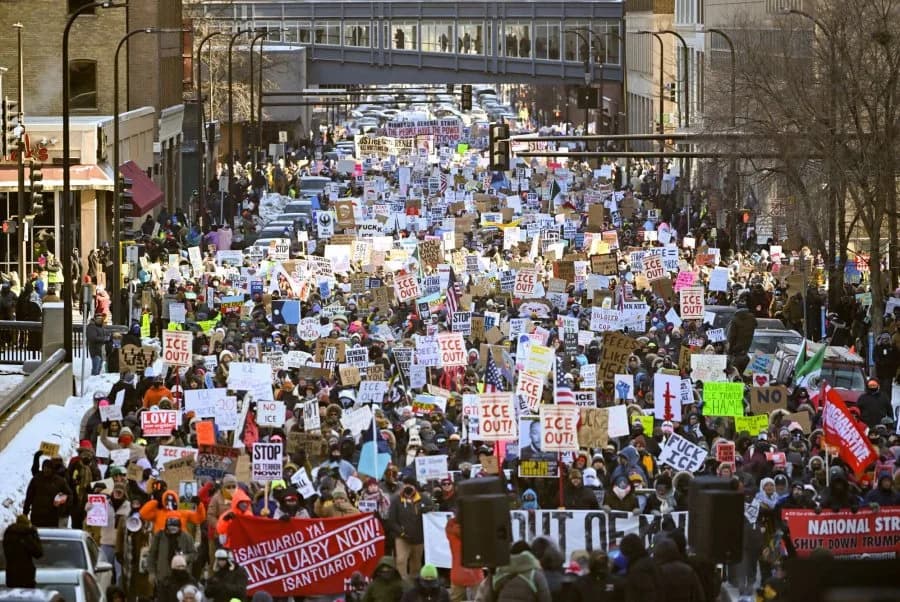
The DOJ reportedly told defense lawyers it would not put certain communications in writing, saying such records could later be used against the agency. The issue surfaced in the prosecution of two journalists who covered an anti-ICE protest in Minnesota; Georgia Ellyse Fort faces three felony counts including a hate-crime allegation. Defense counsel say prosecutors described cell-phone data tied to Fort but did not provide raw records, and allege an HSI agent used customs summonses to obtain information. A quoted DOJ attorney said the government would not respond in writing, raising discovery and ethical concerns.
DOJ Lawyers Decline To Put Communications In Writing, Raising Discovery And Ethics Questions
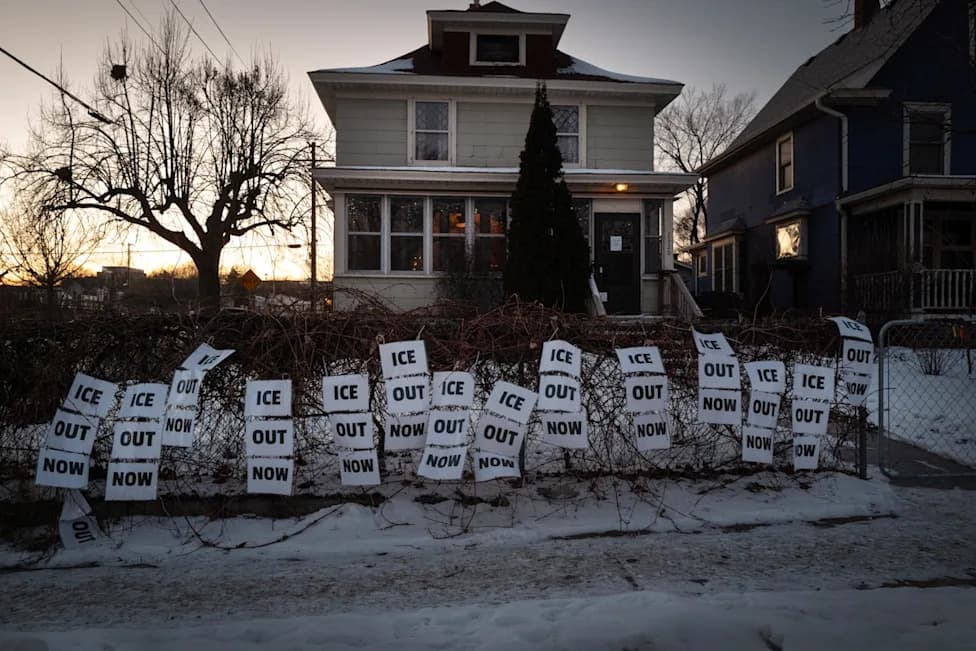
DOJ Afraid to Put Things in Writing for Fear It’d Be Used Against Them
Lawyers at the U.S. Department of Justice have told defense counsel they will not put certain communications in writing, citing concern those records could later be used against the agency. The disclosure — reported in defense filings and first flagged by independent journalist Mary Wheeler — has drawn scrutiny because written records are a routine part of legal practice and of discovery in criminal cases.
The matter arises in the prosecution of two journalists who covered an anti-ICE protest at Cities Church in Minnesota in January. One defendant, Georgia Ellyse Fort, faces three felony counts, including an allegation filed as a hate crime; fellow journalists Don Lemon and Michael Beute were arrested alongside her. All three defendants say they were reporting on the protest rather than participating in criminal conduct.
Defense Allegations And Court Orders
Fort's lawyers say a judge has barred the government from using certain toll records and cell-site simulator evidence tied to activity on Fort’s phone. They also allege that a Homeland Security Investigations (HSI) agent, Timothy Gerber, used customs summonses to obtain records relating to Fort. Defense counsel told the court prosecutors described the cell-phone data allegedly linked to Fort but did not produce the underlying raw records.
The Contested Phone Call
In a letter to DOJ prosecutors quoted in defense filings, Fort’s attorneys recount a phone call with DOJ attorney Ned Hedley. They quote Hedley as saying the government "does not intend to respond to our correspondence in writing, out of the concern expressed on the call that what it represents to us could be put before the Court and/or otherwise used against it."
"The government does not intend to respond to our correspondence in writing, out of the concern ... that what it represents to us could be put before the Court and/or otherwise used against it." — Quoted from defense filing attributed to DOJ attorney Ned Hedley
Why This Matters
Criminal prosecutors are required to disclose exculpatory and material evidence to the defense. Legal observers call it highly unusual for government counsel to refuse to document communications, because written records often form part of the discoverable record and are essential to professional ethics and case management. Hedley’s reported comment has prompted questions about whether the government is trying to avoid creating discoverable evidence or whether it is concerned some actions could be legally vulnerable.
The defendants maintain they were covering the protest. If the government withholds written communications or fails to produce underlying records, it could complicate the prosecution’s discovery obligations and potentially weaken aspects of the case.
At this stage the allegations about nondocumentation and the use of summonses remain part of the defense's filings and court dispute; the government’s full position and rationale have not been publicly filed in detail.
Help us improve.