EFSA has reduced the acceptable daily intake for trifluoroacetic acid (TFA) from 0.05 mg/kg bodyweight/day to 0.014 mg/kg/day based on new evidence. Studies indicate TFA can alter thyroxine, a key thyroid hormone, raising potential health concerns. TFA forms when PFAS degrade — including from some pesticide substances — and can contaminate groundwater, soil and crops. EFSA and ECHA are jointly investigating PFAS-to-TFA breakdown and expect results by next summer.
EU Food Safety Body Cuts Safe Daily Limit For 'Forever Chemical' TFA To 0.014 mg/kg
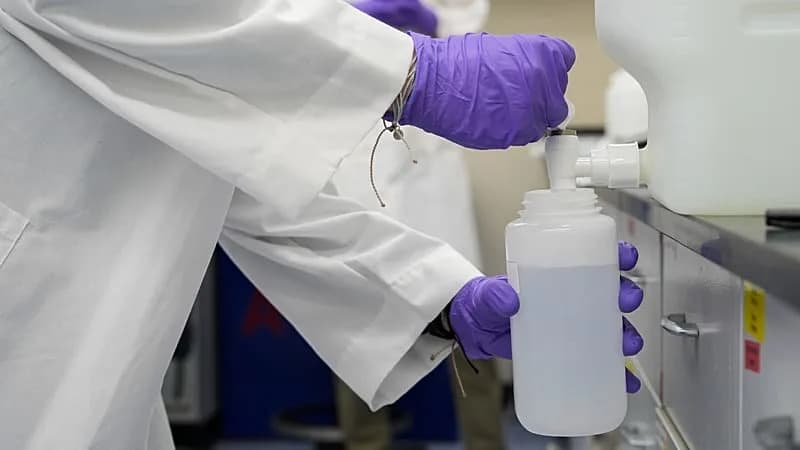
EU's food safety agency reduces safe daily intake level of 'forever chemical' TFA
The European Food Safety Authority (EFSA) has tightened guidance on the safe daily intake of trifluoroacetic acid (TFA), a persistent breakdown product of PFAS often called a "forever chemical." The updated advice lowers the acceptable daily intake from 0.05 mg per kilogram of bodyweight per day to 0.014 mg/kg bw/day.
What Changed
EFSA's revision reflects newly available evidence that links TFA exposure to changes in thyroid hormone levels. The authority says the lower value better protects human health, particularly because TFA appears to affect thyroxine — a hormone produced by the thyroid gland that helps regulate metabolism, growth and development.
Why This Matters
EFSA highlighted that TFA can "change levels of thyroxine — a hormone produced by the thyroid gland that plays an important role in regulating the body."
Alterations in thyroxine can have wide-ranging effects, especially in vulnerable groups such as pregnant people, infants and those with existing thyroid conditions. Although the new intake level is a conservative safety benchmark, it signals growing regulatory concern about PFAS-related contaminants and their breakdown products.
Sources And Environmental Pathways
TFA is not typically applied directly; it forms when certain PFAS chemicals break down in the environment. EFSA notes that some active substances in pesticides and other industrial PFAS uses can degrade into TFA, which then can enter groundwater, soils and food crops. Because TFA is persistent, it can accumulate in environmental compartments and be detected in drinking water and food chains.
Monitoring And Ongoing Investigations
EU member states already have obligations to monitor PFAS in drinking water, and separate programmes track PFAS residues in food. EFSA said it is working with the European Chemicals Agency (ECHA) to clarify how PFAS degrade into TFA and to study TFA's fate and behaviour in soil and water. The joint investigation is expected to be completed by next summer.
Bottom line: The lowered intake level is a precautionary step that reflects new toxicological evidence. It will inform EU monitoring, regulation and future risk management of PFAS and their persistent breakdown products.
Help us improve.